“the society of the twenty-first century, everything is a project and everything must become a project.” paul grace
Today, project management has gradually become an instrument for the survival and development of enterprises. So what's project management? What exactly does project management do? What are the core elements of project management? Today we will talk about this in detail。
The project management tools mentioned in the example are here, and you're interested in trying -- this post is part of our special coverage syria protests 2011
What's project management
Imagine you're organizing a birthday party or planning a vacation trip. These seemingly simple activities actually require a range of preparation and decision-making: the whole process, from determining the location, considering the budget, to inviting friends, organizing the content of the event, is in fact the most basic project management. From an enterprise perspective, companies need more complex and systematic project management to launch new products, build a bridge or develop a new software。
Project management, in short, ensures that these “projects” can be successfully completed as planned, regardless of size. It covers all aspects of project planning, organization, leadership and control, ensuring that a certain amount of knowledge, skills, tools and methodologies are used in project activities to achieve the desired objectives within a given time frame, not exceeding budget。
Vertically: what is a complete project management process
Project management consists mainly of five phases of project project formulation, planning, implementation, monitoring and closure, each with specific tasks and objectives. In order to manage the project effectively, the project team needs to maintain a high level of focus and collaboration at every stage。
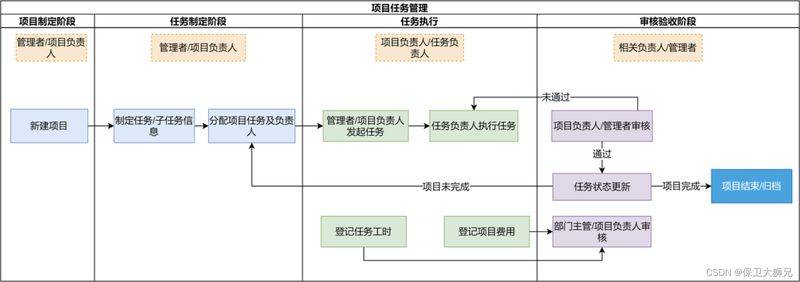
1. Project formulation
The project development phase is the starting point of the project life cycle. This phase consisted mainly of identifying the objectives and needs of the project and developing an overall project advancement plan and a list of tasks. Project managers and teams need to communicate effectively with stakeholders to ensure a common understanding of project needs and expectations. In addition, the development of the project charter and preliminary plan is a key task for this phase, which lays the foundation for the success of the project。
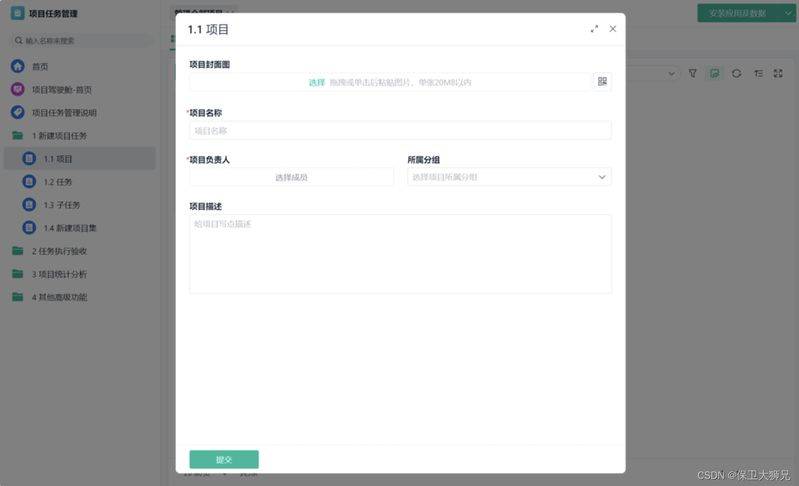
Project planning
During the project planning phase, projects are broken down into smaller, more manageable components. This process involves the creation of a decomposition structure that breaks down project activities into individual tasks. For each mission, the project team is required to allocate resources, including personnel, funds and equipment, and to establish clear progress and budgets for each mission. The key to the success of this phase is the development of a realistic and flexible project plan to ensure the achievement of its objectives。
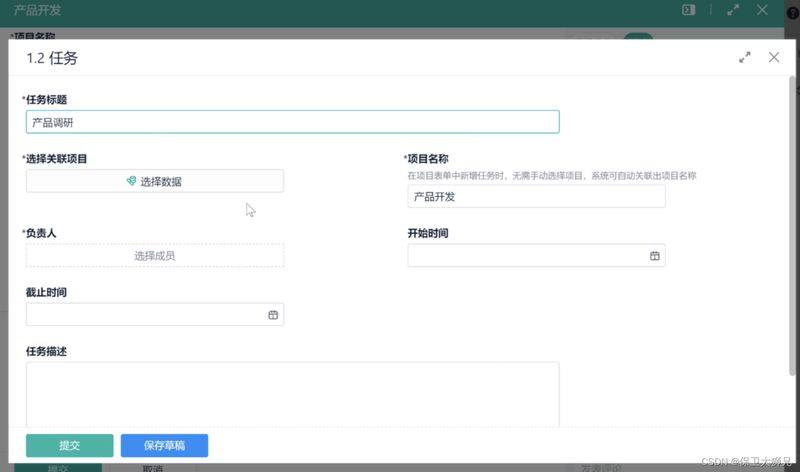
3. Project implementation
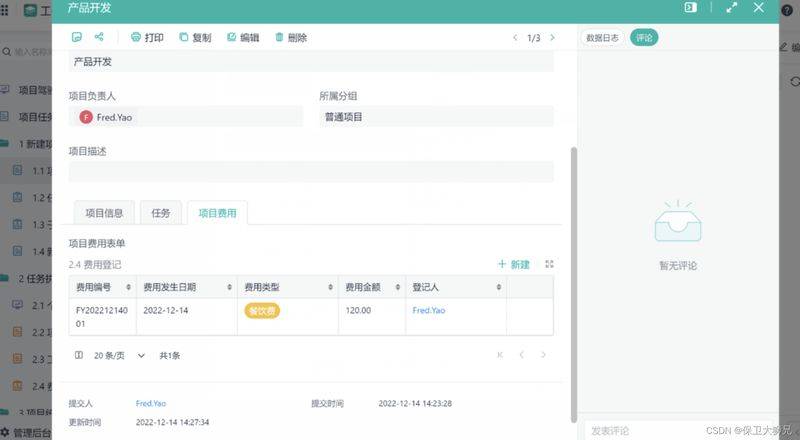
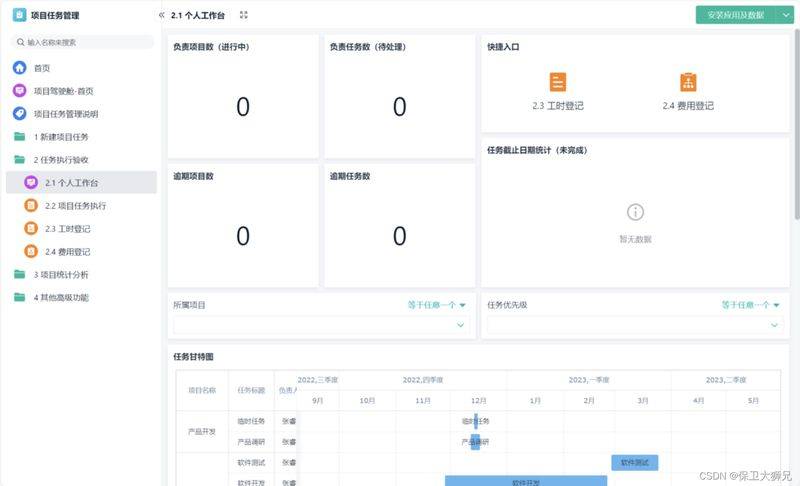
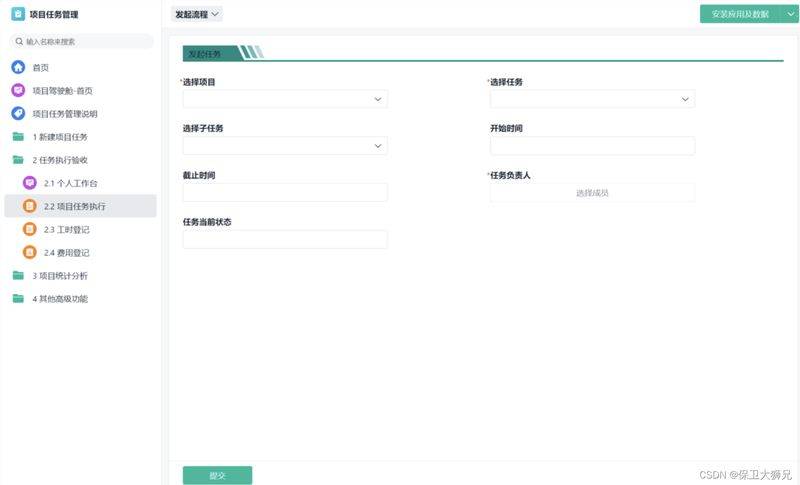
The project implementation phase is the most important part of the project management process. At this stage, the plan is translated into action and the project team begins to fulfil specific tasks and activities. Project managers need to effectively coordinate teams and resources to ensure that mandates are carried out as planned. At the same time, the project manager will monitor the progress and quality of the project to ensure compliance with project standards. Effective communication and collaboration are also essential at this stage in order to resolve any problems or adjustments in a timely manner。
4. Project monitoring
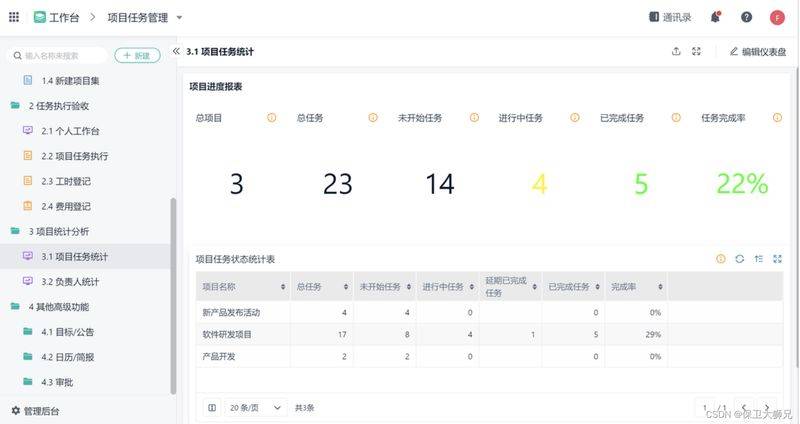
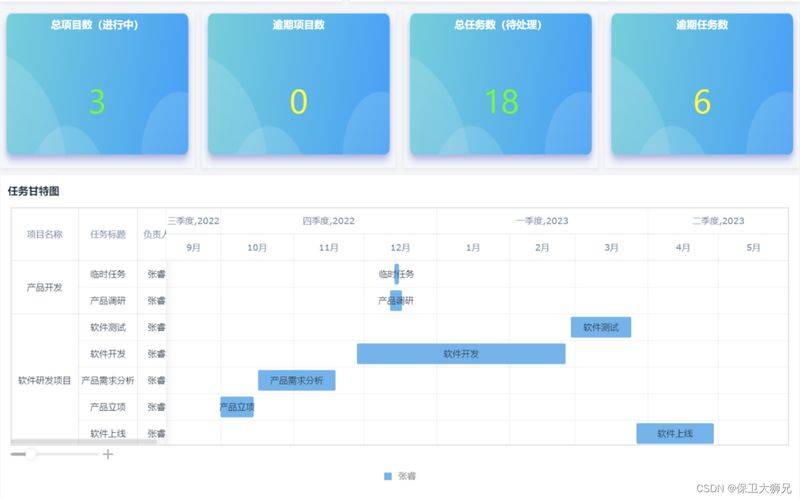
Ensure that the project progresses steadily as planned by monitoring its progress, cost, quality, risk, etc. Project managers need to use project management tools, such as gantt charts, dashboards, etc., to monitor the project's status and adjust it on a realistic basis. The objective of this phase is to ensure that the project meets its objectives through preventive and corrective measures。
Project closure
At the end of the project, the project manager needs to ensure that all project activities are completed and that the final results of the project are accepted by the client or project sponsor. The collection and archiving of project files, contracts and other relevant information are also key tasks at this stage and provide valuable references for future projects. In addition, the conduct of project wrap-up meetings and the preparation of project wrap-up reports and lessons learned from project successes and failures are critical to future project management practices。
Horizontally: what are the core modules of project management? Project scope management
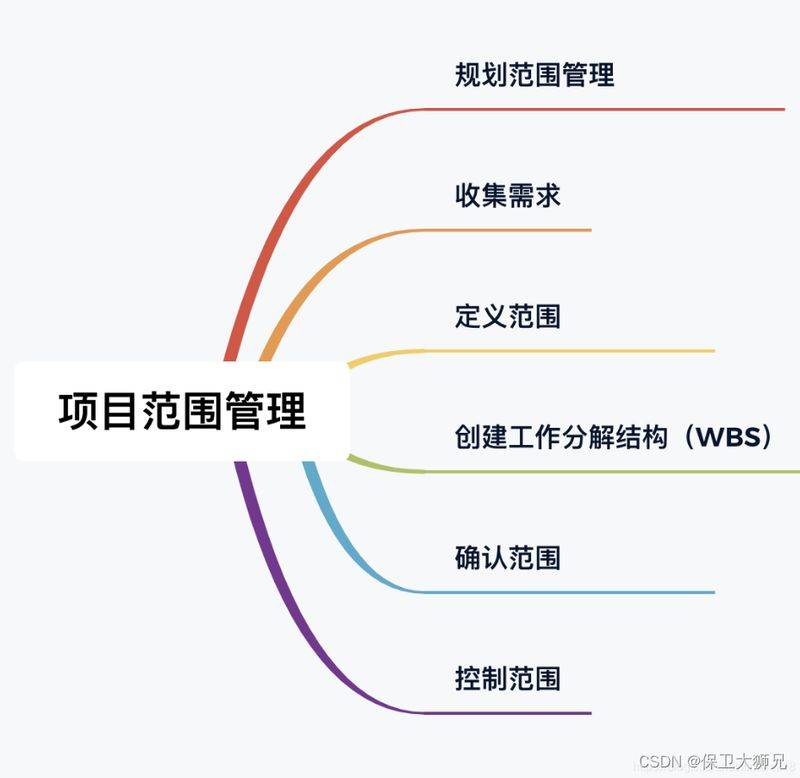
Project scope management lies in clearly defining the boundaries of “what the project does” and “what the project does not”. This step begins with an in-depth understanding and recognition of project needs, and then defines the specific scope of the project based on those needs. Subsequently, the project manager and team developed a detailed break-down structure, listing all the tasks and activities that had to be accomplished and ensuring that each step served the project objectives. Good scope management helps to avoid project proliferation, i. E., an uncontrolled expansion of the scope of the project to ensure that the project is demand-driven。
Project time management
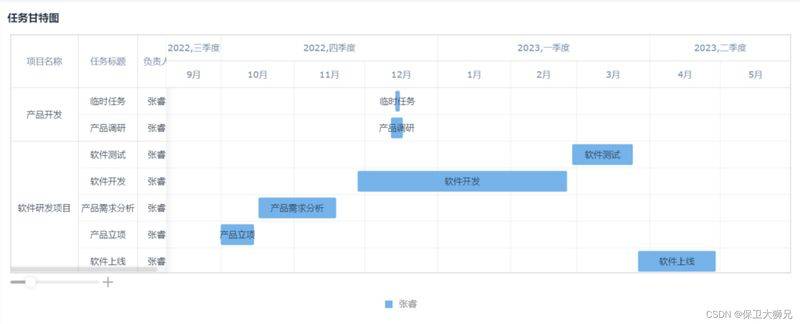
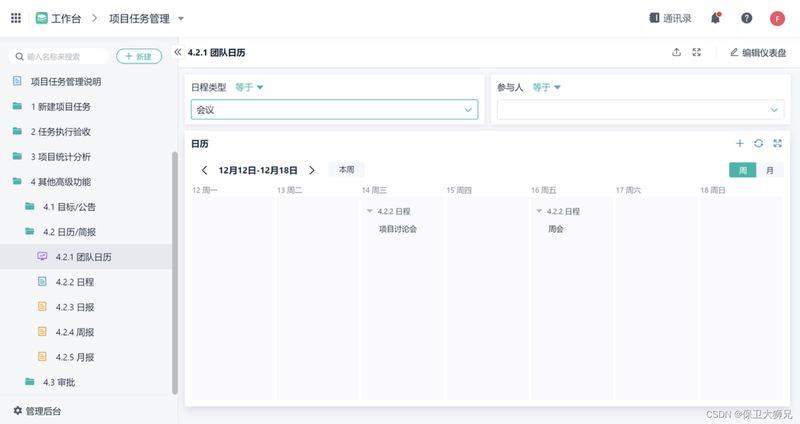
Project time management includes, inter alia, setting project timelines, allocating resources, tracking project progress and ensuring that projects are delivered on time to avoid delays and project failure. Through the use of tools and techniques such as gantt charts, key path approaches or agile methodology, project managers can effectively track project progress and adjust plans in a timely manner to respond to changes. The core of time management is to ensure that projects are delivered on time and to avoid any risk that could lead to project extensions。
3. Project cost management
Cost management involves estimating project costs, budgeting, tracking actual costs and controlling cost overruns to ensure that projects are completed within a manageable budget. In advancing the project, the project manager is required to monitor actual expenditure on a real-time basis and compare it with the budget to ensure that the project is not hampered by funding problems. At the same time, project managers need to be able to identify potential problems in a timely manner and to take appropriate measures to control, reallocate resources or adjust the scope of the project as soon as there is a perceived risk of exceeding the budget. Effective cost management not only contributes to the project's completion within budget, but also enhances the project's return on investment。
4. Project quality management
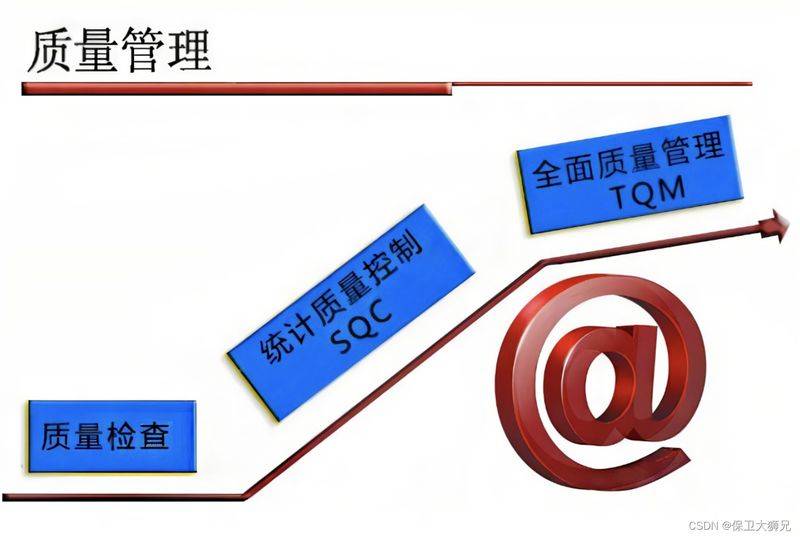
Project quality management ensures that project results meet relevant quality standards and client expectations. This process includes the development of quality policies, quality planning, quality assurance measures and quality control. Through regular quality checks and audits, as well as corrective and preventive measures to detect problems, project teams are able to ensure the quality of project outputs and increase client satisfaction。
Project risk management
Risk management means identifying, assessing and responding to the risks that the project may face. The project manager needs to develop a risk response strategy, such as avoiding, mitigating, shifting or accepting risks, and to monitor them on an ongoing basis. By preparing in advance, the project team can better respond to uncertainty and mitigate the negative impact of the project. Once the risks are real, the project manager will also need to be holistic, leading the entire team to proactively address risks, overcome difficulties and find effective solutions。
6. Project communication management
Essentially, the project management core is the manager, manager and effective communication with the project team is key to the project management success. Project communication management includes establishing communication channels, developing communication plans, regularly sending project updates and collecting feedback from project teams and other stakeholders. Ensuring an effective flow of information among members of the project team will make decision-making more informed and teamwork more efficient. Good communication also promotes teamwork, avoids unnecessary conflict and enhances project transparency and team morale。
What is the value of project management
The significance and value of project management lies in its ability to systematically guide projects from conception to completion, ensuring efficient use of resources, successful achievement of objectives and a balance of interests. Project management is particularly important in a competitive and rapidly changing modern business environment. The following are some of the key values of project management:
Achieving project objectives and delivering results
Project management ensures that projects are completed as expected by clearly defining project objectives, planning detailed implementation steps, allocating necessary resources and monitoring project progress. It helps project teams to focus on the necessary tasks and avoid waste of resources in order to achieve project objectives and successfully deliver project results。
Increased efficiency and productivity
Through sound planning and organization of project activities, project management can maximize resource efficiency. It helps teams to increase productivity by optimizing assignments, reducing duplication of effort and avoiding delays in progress. Effective project management can also reduce project completion time, speed up the marketing of products and create competitive advantages for enterprises。
3. Control costs and time
Project management ensures that projects are completed within approved costs and time frames through budget control and time management. It protects project investments and improves financial performance by continuously monitoring costs and progress, identifying deviations in a timely manner and taking corrective measures to help avoid overexpenditures and delays。
4. Improving quality and meeting client needs
Project management emphasizes quality control and continuous improvement to ensure that project results meet established standards and client expectations through quality planning, quality assurance and quality control processes. This helps to increase client satisfaction, build good client relationships and generate more business opportunities for enterprises。
Risk reduction and responding to change
Project management helps project teams anticipate and mitigate the impact of potential risks through risk identification, assessment and response planning. At the same time, it provides flexibility and adaptability to enable the project to respond effectively to changes in demand, technology upgrading or the external environment and to ensure that project objectives are not affected。
6. Enhancing communication and teamwork
Project management has established clear lines of communication and teamwork mechanisms to ensure transparency and flow of project information. This has helped to enhance understanding and cooperation among team members, promote cross-sectoral and interdisciplinary teamwork and increase problem-solving efficiency。
7. Providing opportunities for learning and improvement
Through project appraisals and the recording of lessons learned, project management provides valuable learning opportunities for enterprises. It helps organizations to learn from successful experiences, identify areas for improvement, and continuously improve project management practices and business processes to lay the foundation for the success of future projects。
In summary, project management is critical not only for the success of individual projects, but also for enhancing the overall operational efficiency and competitiveness of the organization. Through effective project management, organizations are better able to achieve their strategic objectives and create greater commercial value。
It is hoped that this will help in understanding project management。