The group is the most basic and active part of the enterprise's organizational structure and is both the concrete implementer of the enterprise's work and a direct participant in its productive activities. The success of the group is directly related to the efficiency of the enterprise's operations, product quality, safe production and staff morale. Therefore, an in-depth understanding of the definition of the class and the meaning of its construction is important for promoting the sustainable and healthy development of enterprises。
Definition of class
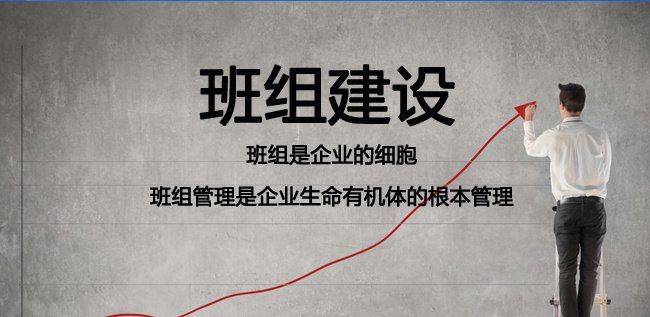
The group is the basic unit for the organization of productive activities in enterprises, the most grass-roots production management organization in enterprises and the smallest cell of business management. The teams, which are the production and management organizations at the grass-roots level of the enterprise, usually consist of a certain number of employees who collaborate and work together around common production tasks or work objectives. It has important responsibilities in carrying out its tasks of production, improving its efficiency, ensuring the quality of its products and achieving safe production。
Ii. Meaning of team building
Improved productivity: this can be achieved through measures such as optimizing the group structure, rationalizing staffing and improving work processes. This helps enterprises to maintain their advantage in fierce market competition and achieve sustainable development。
Ensuring product quality: the teams, as direct participants in production activities, are essential for product quality control. The stability and reliability of the quality of products can be ensured by strengthening quality awareness education in the classes, improving quality inspection systems and introducing comprehensive quality management。
Achieving safe production: safe production is the lifeline of the enterprise, and teams, as direct managers of the production sites, have an important responsibility for safe production. The prevention and reduction of safety incidents can be effectively achieved through the strengthening of safety education and training of teams, the implementation of safe production accountability and the improvement of safety management systems。
Promotion of staff morale: team building helps to enhance staff's sense of belonging and cohesion and stimulates staff enthusiasm and creativity. By creating a positive class culture, establishing good communication mechanisms and paying attention to the growth and development of employees, employees'sense of responsibility and purpose can be enhanced and the harmonious and stable development of enterprises promoted。
Promoting innovation in enterprises: as the foundation for the production and management of enterprises, groups have important implications for their innovation activities. By encouraging the active participation of class staff in technological innovation, management innovation and cultural innovation, enterprises can be encouraged to adapt to market changes and enhance core competitiveness。

Iii. Pathways and measures for building teams
A well-established class management system, including staffing, tasking, workflow, performance appraisal, etc., is in place to ensure regular and orderly work of the team。
Strengthening the selection and development of team leaders: team leaders are central to team-building and should have strong organizational coordination, communication and expression skills and leadership. Enterprises should select and train good class leaders through public selection and regular training。
Promote a participatory management approach: encourage the active participation of staff in the management of the group and exercise collective wisdom and strength. Staff participation and innovation are stimulated through the creation of staff advice boxes and rationalization activities。
Creating a positive class culture: creating a positive class culture and enhancing the cohesion and motivation of employees by organizing class cultural events, setting a model and promoting excellence。
Strengthen communication and collaboration with higher authorities: teams should maintain close communication with higher authorities and provide timely feedback on production, problems and recommendations for improvement. At the same time, it is actively involved in the activities of business organizations, strengthening exchanges and cooperation with other groups and promoting joint enterprise development。
Conclusions
Cluster-building is an important component of enterprise management and is important for improving the efficiency of business operations, ensuring product quality, achieving safe production and promoting innovative development. Therefore, enterprises should attach great importance to the construction of groups, which should be continuously upgraded by improving their management systems, enhancing the selection and training of class leaders, promoting full participation in management and creating a positive culture, so as to provide strong guarantees for the continuous health of enterprises。
In their future development, enterprises should continue to follow the latest developments and practical experience in the construction of the teams and continuously optimize and refine the strategies for building the teams. At the same time, emphasis is placed on the central role of employees, stimulating their creativity and potential and promoting continuous innovation and development。