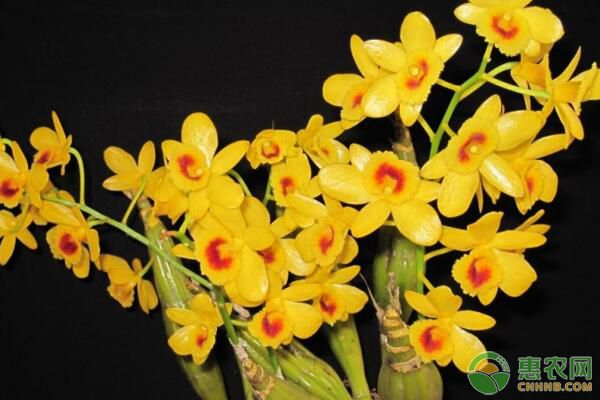
The pebbles are upright, the meat, and the total bouquet is issued near the top of the tuber, tilted out or down, up to 20 centimetres, the lip petals are darker than the blades and petals, and close to the kidney round. In march-may, it was mainly produced in south-south yunnan, china, to the west (stone screens, view valleys, smau), in north-eastern india, myanmar, thailand, etc. This plant is considered to be “sweetly and loyal” and known as the flower of father's day, along with its medicinal value such as thirst, pulmonary trimination, thirst and post-hot fever。
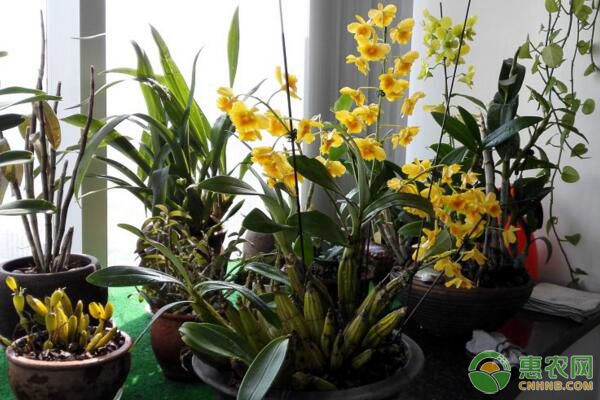
I. The most significant effect of temperature on the quality of quarries
1. Yunnan province is the best source of quartz, with the greatest impact on its quality by temperature and greater concentration of malan in low-altitude areas. The high growth of quartz and high sugar in 50 per cent of the light-perceiving conditions, but the highest levels of amino acids, half-scientific amino acids, amino acids, lysine acids, total phenols were at 10 per cent, while the negative increase in the condensation rate of over 82 per cent and the corrosive and chlorophyll content of the plume of the plume was very detrimental to the growth of the plume, which, it is understood, regulates the synthesis of the chlorophyll content in the plant in a weak light environment and meets the growth needs, thus allowing the use of a high-density grid of 10 per cent of the light-perform in july of the same year for high light intensity, while low-density shade nets of 50 per cent of the light perturbation rate were used in a weaker environment。
The growth of the pebbles is associated with temperature, and studies show an increase in the number of buds at low temperatures, but if the temperature is too low it delays the growth and development of the pebbles at an early stage, leading to poor maturity of the pebbles, which interact with the effects of light intensity and temperature, which require higher light intensity within higher temperatures to feed plant growth。
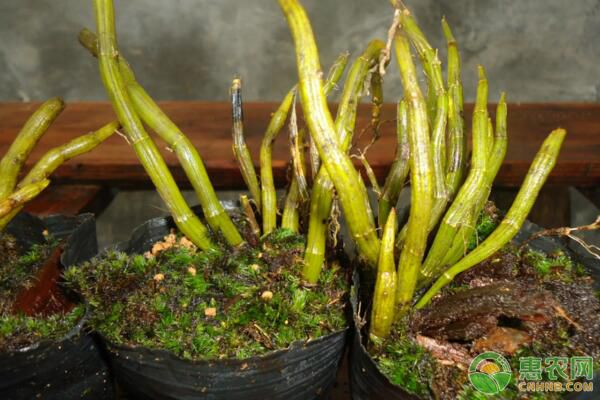
Ii. Cultivation of quarries
1. The choice of aerobics and the maintenance of a well-fertilized planting matrix, such as decorated bark, moss and so on, is divided by plants and is appropriate for the attachment and growth of the root of the drums and the root of the quarries, which are in line with their most primitive habitat, thus contributing to their growth。
The best performance is in the orchids: tree bark with a combined matrix of 1:1, with a maximum luminous rate of 6 μmol m-2 s-1, while the moss are not adapted to the planting matrix as a quartz, as the water moss are too high to absorb water, remain always wet and prone to infestation, leading to the death of parts of the seedlings, thus making the hybrid matrix the ideal for pelican cultivation。
3- pine bark is also used in planting cells for seedlings, and stones, rubble, bricks, etc., are a more appropriate base in the tropics. Cultivation of acrystal (7:2:1) is based on the configuration matrix of the volume ratio, while cattle manure is found in wild cultivation as a better fertilizer matrix。
The current production of pyramids does not meet the needs of clinical and new drug development, and the appropriate form of cultivation is an important means of improving the quality and production of pyramids, with some correlation between their survival rate, growth and the content of their medicinal components. Cultivation is carried out mainly in the form of large shed beds, sub-forest beds, high-slept beds, trees and flower basins。
5. Tests have found that in three forms of palate planting, including trough cultivation, live cultivation and wild imitation, trough cultivation is easy to manage, with the limitations of the plant choice of the host, and the management of imitation is simple, but is limited by the original habitat suitable for the growth of quartz. For example, in tests of logs, logs and pellets, it was found that pellets and logs are the closest to planting and are easier to manage than imitation of wild cultivation。
6. In the process of emulation of wild plants, its best host plants are coronary, corroded and more guttered green trees, while cucumbers and dynasty eyes, which are common economic trees in the pummi region, are the better host plants。