Water is one of the most common liquids on earth, and its flows and applications deeply affect our daily lives. As one of the physical characteristics of water, water pressure is the force generated during its flow. The principle of water pressure is not only a basic concept in physics, but also the core of many technological and engineering applications. In this article, we will go into the principles of water pressure and its important role in daily life and industry。
Water pressure rationale
Water pressure, by definition, is pressure on the surface of the object. According to physics, the size of the water pressure is closely related to water depth, liquid density and gravity acceleration. In static water bodies, water pressure increases with water depth. This is because the deeper the water, the more the water molecules are exposed, the greater the pressure. The specific hydraulic formula is:
Of these, p is water pressure, old is water density, g is gravity acceleration and h is water depth。
This formula tells us that the water pressure increases by about 9. 8 kpa for each additional metre of water depth (in the case of warm water). As a result, standing at the bottom of the pool can feel greater pressure than standing on the surface. This characteristic of water pressure is evident not only in pools and rivers, but also in many phenomena in nature。
Water pressure and liquid density
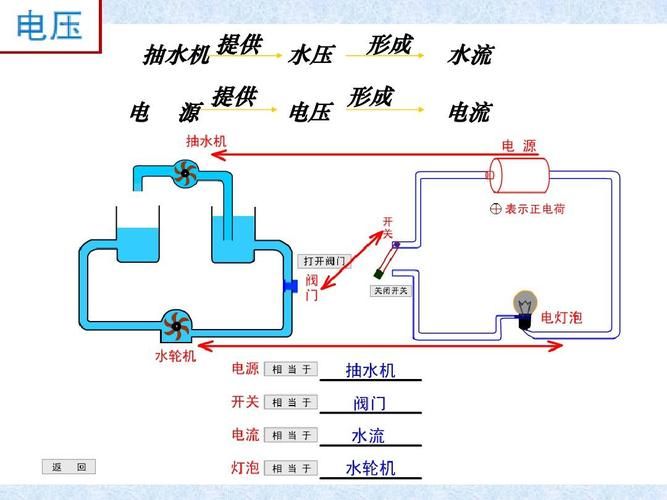
Water density has a direct impact on the size of water pressure. In general, water density is around 1 g/cm3 at constant temperatures. Water density changes with temperature and salinity. Salt water tends to be more dense than pure water, so that, in the oceans or salt lakes, the water pressure is higher because of the high density of salt water. In the deep sea, because of the high density of water, divers feel pressure increases even if they do not dive deep。
Water pressure and gravity acceleration
Changes in the acceleration of gravity also affect water pressure. Although the gravitational acceleration of different positions on the planet varies minimally, this difference remains a notable factor in some precise measurements and experiments. In equatorial areas, for example, the rotation of the earth has led to a slight decrease in gravity, which can lead to water pressure in equatorial waters slightly below the polar regions. This difference is usually very small and has little impact in real life。
Water pressure to depth
Water depth is the most direct factor affecting water pressure. As depth increases, water pressure increases. This also means that staff and equipment must be able to withstand greater water pressure in deep-sea diving, deep-sea drilling, etc. Increased water pressure is a major challenge for divers in ocean exploration and diving movements, and the continued development of deep-divide technology has enabled humans to explore the ocean world in greater depth。
Daily application of water pressure
Water pressure plays an important role not only in nature, but also in our daily lives. One of the most common applications is piped water systems. The plumbing system transports water from water sources to domestic and industrial areas through water pressure. By regulating the output power of the pumps, the speed of the current and the size of the pressure can be controlled, ensuring that each household has access to the quantity and pressure required。
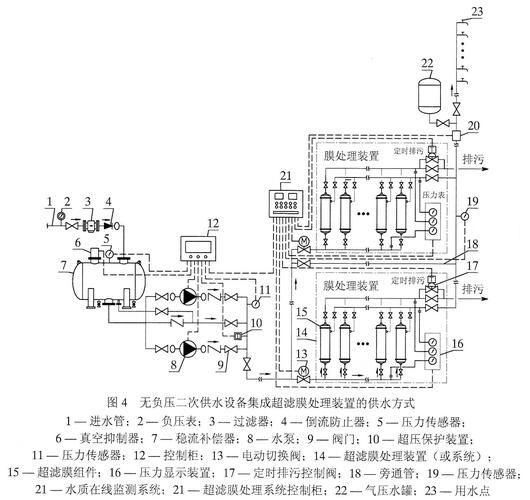
Water pressure is also widely used in areas such as construction and engineering. Water supply systems in buildings, fire spray systems and even drainage systems in sanitation facilities are supported by water pressure. Equipment such as pumps, pressure valves are at the core of these systems, ensuring a smooth flow of water and maintaining appropriate water pressure。
Water pressure control is also essential in agricultural irrigation. Modern agricultural irrigation systems, such as drip irrigation and spraying, use water pressure to achieve efficient water use. Over-pressure leads to over-flow and erosion; under-pressure can lead to uneven irrigation and affect crop growth. Therefore, precision water pressure control is important for agricultural production。
The principles of water pressure seem simple, but they have deep physics behind them and are widely applied in all aspects of our daily lives. The scientific applications of water pressure, whether from piped water systems, agricultural irrigation or deep-sea surveys, have greatly improved our productivity and quality of life. Understanding the principles of water pressure not only helps us to cope better with changes in water pressure in our lives, but also inspires a deeper understanding of nature and technological innovation。
Water pressure application and technological progress water pressure and industrial applications
Water pressure plays an important role not only in households and agriculture, but also in a wide range of industrial applications. Particularly in some high-pressure equipment and special environments, the control and regulation of water pressure is a key factor in ensuring the proper functioning of equipment and the safety of personnel. For example, hydraulic fracking techniques in mines can be effective in increasing resource extraction efficiency by regulating water pressure。
Hydropower stations are one of the typical examples of hydraulic applications. Water pressure is used to drive turbines and transform potential water energy into electricity. The currents store a large amount of power at the height of the dam and, as the currents are released, the water pressure drives the wheel around, thus generating electricity. The size of the water pressure directly affects the efficiency of power generation and the steady supply of electricity。
Innovation in hydraulics
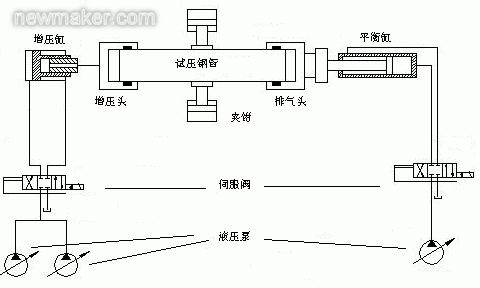
As technology continues to develop, water pressure technologies are also improving. In underwater operations, water pressure applications have been further deepened, especially in the areas of deep-sea exploration and deep-sea drilling. The development of high-pressure sealing techniques and pressure regulation equipment has enabled deep-sea submersible vehicles and ocean drilling equipment to adapt to very high underwater water pressure, leading to successful deep-sea exploration and resource exploitation。
In space technology, water pressure control is also an important application. When entering space, the spacecraft must undergo atmospheric pressure changes, so that the spacecraft design needs to take into account the balance between water pressure and air pressure. Through water pressure control, spacecraft can maintain stability in the internal environment and ensure the safety of astronauts。
Environmental impacts of water pressure
While the application of water pressure in various areas has produced significant benefits, excessive or uncontrolled use of water pressure can also have a negative impact on the environment. For example, in large-scale water projects, if the dam is not designed rationally, it may cause a dam crash and cause serious flooding. In order to avoid this situation, engineers must take full account of the impact of water pressure in the design of dams and water facilities and ensure structural safety。
Overexploitation of groundwater resources may also lead to a decline in groundwater tables, affecting the balance of water pressure, which in turn triggers problems such as soil deposition. The rational use of water resources by science to avoid environmental risks arising from water pressure imbalances is therefore an important topic for society today。
The principles of water pressure and its application play a crucial role in our modern society. From household water systems to deep-sea exploration in industry, from irrigation systems in agriculture to space science and technology, the extensive application of water pressure technologies requires a deep understanding and precision control of water pressure principles. In the future, as science and technology evolve, the application of water pressure will become more widespread, bringing more ease and innovation to our lives. We should also focus on the sustainable use of water resources, ensuring that the development of water pressure technologies is compatible with environmental protection and promoting sustainable social development。