It is now the summer high-temperature dry season that is emerging from tomatoes grown in many places, which, if not dealt with, will be severely reduced in production and, of course, in the incomes of farmers. What about tomatoes for the summer? What should we do with tomato cultivation and management in the spring
Tomato production technology
Sowing seedlings:
Cherry tomatoes are mostly grown in the form of seedlings。
1 seedbed ready. A nursery bed should be selected on a plot of uncultivated eggplant vegetables, mixed with 40 per cent - 50 per cent of the decomposition organic fertilizer, 1 kg of calcium phosphate per cubic metre of nutrient soil, 5-10 kg of grass-wood ash, sift after mixing, and dry nursery beds. Early spring seedling beds are to be located in greenhouses, and electric hotlines are to be established at too low temperatures; summer nursery beds are to be located in cold, ventilated areas. The summer rains are heavy, the nursery beds are protected from rain and the bed ends with drains。
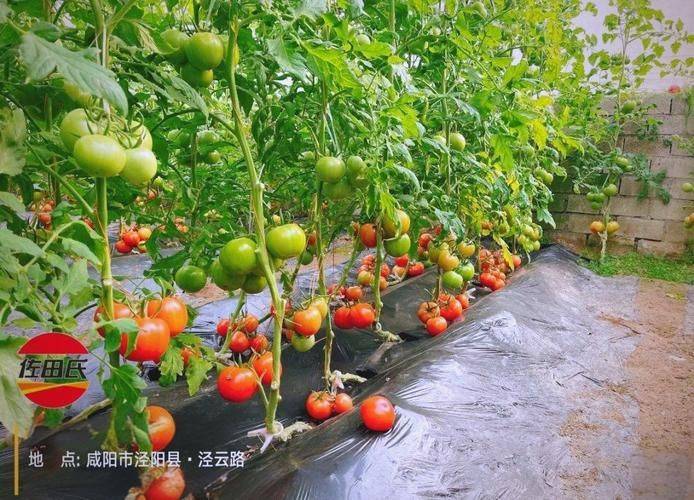
2 seed treatment. The diseases of cherry tomatoes are mostly transmitted by seed-borne bacteria, so seed disinfection is carried out prior to sowing. In order to prevent the occurrence of viral diseases, the production of sodium phosphate is decontaminated. The method is to immerse for 15 to 20 minutes in 100 per cent sodium phosphate solution, remove seed packs and sprout at 28°c with warm towels. Seeds are washed once a day during the sprouts, and can be sowed for about three to four days when a second seed is white。
Three seed. The nursery bed is first watered, which can be shrunk in the early spring when sowing, and the nursery bed is filled with sufficient water in the summer, so that it can be spread evenly, with one centimetre running over the soil. Three to five grams per square metre of nursery beds and six to eight square metres of nursery beds per acre。
4 management of seedlings. Early spring seedlings should be temperature-preserving and pre-plant seedbed temperatures should be at 25-30°c. Summer seedlings should be rainproof and cooled. When most seeds come out of seedlings, temperature is reduced in a timely manner at 20°c in the daytime and 12°c-15°c in the evening, when the seedlings grow two leaves。
Five centimeters. Early spring temperatures are rising, and slender beds are generally not served by paved hotlines. Early spring seedlings should take place in the middle of the morning, using the method of dark water planting, opening ditches and then watering, before the water seeps, and then sows and burys. When buried, no mud is visible on the surface. Line distance 10 x 10 cm. Summer seedlings take place in the evening or in the middle of the day, in the same way as early spring. Line distance 10 x 10 cm. Then water shall be poured, and the sun shall be covered, and then the covering shall be removed. The temperature of the sapling bed is 25°c-28°c in the day, 15°c-18°c in the evening, 20°c-25°c in the day and 13°c-15°c in the evening. In the early spring, water is not watered, and in the summer beds are often watered. The seedlings grow up to eight real leaves。
Cultivation methods and covering membranes are carried out on wind-free weather, with high temperatures, low soil moisture evaporation and easy to slow seedling。
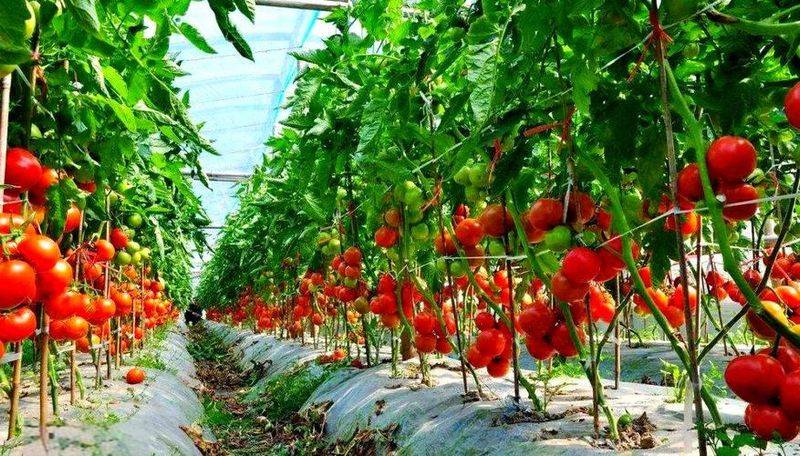
Methods of planting. The plant is planted in the form of flat, ditch and horticulture. They are divided into “dry-plants” (i. E. Seedlings followed by water) and “saplings” (i. E. Water followed by planting). They must not be planted too deep or too shallow. It is too deep, it is so low that it is not conducive to the growth of the root system and so slow that it is so shallow that, although it is so high that the root system is growing, it is so unstable that the seedlings can be washed away by water or by the wind. The general planting depth is either flat or slightly deeper than the earth's crust and surface. In the case of prolonged confinement due to improper management of the seedbeds or delays in planting, the end of the seedlings may be laid southwards with a submarine hull, leading to a slight southerly tilt in the front end of the ground to reduce the height of the seedlings on the ground, prevent the burning of the sun and the blowing of the wind, and contribute to the growth of unstable roots。
Covered membranes. In recent years, cover membranes have been widely used in tomato cultivation, which can increase soil temperature, reduce soil moisture evaporation, inhibit weed growth and maintain soil laxation, among other things, thereby accelerating post-plant seedlings and promoting root growth. The membrane covers seedlings, which we normally plant first and then later. This is done by laying a membrane on a well-built high-earthed top floor, covering the land around the country, then digging a hole at a distance and planting the earth around it。
3. Plantation density:
1. Long-term long-term cultivation of large long-lived plants with a distance of 66 centimetres and 33 centimetres and 3,000 seedlings。
2. Protected field cultivation: long-term long-term long-term cultivation of uncorruptible long-term long-term planting (e. G. The dutch infinite) is 80 cm, 40 cm and 2,000 cm, with a distance of 40 cm。
Spring tomato cultivation and management
1. Strengthening field management
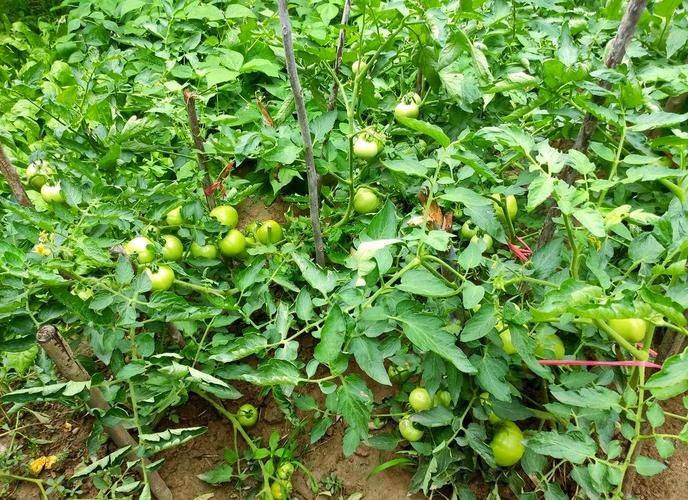
The first is that prolonged drought requires timely watering, with water content ranging from 60 to 70 per cent in the field, timely drainage after heavy rains, and control of soil water content of less than 80 per cent, otherwise the root causes are normal breathing and nutrient absorption, resulting in physico-leaves, while the other fields are wet enough to cause disease. Second is the rational application of fertilizers, followed by 10-15 kg of potassium phosphate or potassium sulphate in an acre after rain or water after fertilisation, and the fruit normally swells in colour. Third, the whole branch is in time, usually after the fruit has been harvested, to remove the next leaf and the sick leaf in time to keep the plant permeable for its growth. The leaves and fruit of the disease were found in the field and destroyed at any time。
2. Pest management
A three-voltal period has now been reached, with high temperatures and droughts conducive to the occurrence of viral diseases, high humidity following heavy rains conducive to the occurrence of tomato night disease, while night moth pests endanger fruit fruits, high temperatures and strong light cause some of the fruit burns, and inappropriate application of medicines can cause drug abuse. It is recommended that vegetable farmers should adopt a “preventive-based, integrated approach” to pest control, strengthen management of fertilizers and fields, rationalize the use of medicines, treat them in a timely manner and apply them before 10 a. M. And after 4 p. M。
Pharma selection: evening disease can select anke. Manganese zinc, ammonium froste, copper mercurate, thorium, etc.; viral disease can be insect-proof, sprayed with thallium + hydrochloric acid or with virus a, in vitro, potassium permanganate, etc.; pest control should select highly effective, low-toxic residues, pyrethroids and larvae pesticides. Disease control is carried out every 7-10 days and 2-3 consecutive times。