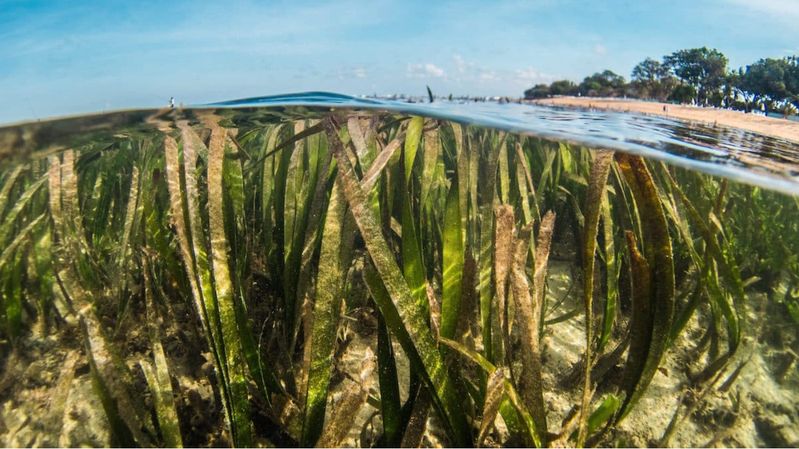
Water is the home of aquatic plants. Aquatic plants spread around the world, using water as a medium, or swaying from water, or plowing, or sunk, display the rich diversity of the population and the dream rolls of underwater forests. The south china botanical garden built the plant aquarium, built 37 super-large glass displays around the ecstasy, using modern waterscape art and world aquarium style, presented the mosaics from europe, the americas, asia, oceania and africa, created the german waterscape of nature and science, emphasized the natural ecology, based on aesthetic theory, emphasized dutch waterscapes rich in beauty and stereotastic art, mapped the ancient and mysterious waters of south america with great water grass in the amazon basin, shaped the water landscape of south-east asia with tropical waters, painted china's water landscape with aqueous aqueous aqueous aqueducts of traditional mountain garden forests, and invented japanese waterscapes marked by dead mountain water, depicted the green grass of the ocean like in the original australian grassland, and created the original, wild and rough african landscape of the waters of lake tanganya in west africa, and recreated the waters of the five continents of the united states。
Within the interwoven ecological space of water, aquatic plants (aquatic plants) in all shapes are bred and flourished by water. As an indispensable core of the natural water landscape, aquatic plants are divided into three distinct forms of growth: sunken water, peri-water and floating water: they either hide beneath the beibo, or stand on the side of the water bank, or on the floating surface, while maintaining the ecological stability of the waters and building bio-dwellings, they outline a layered and moving water-only scroll. However, the growth of all human beings is measured, and the uncontrolled growth of native species and the transboundary intrusion of alien species can upset the original ecological balance of water bodies. As a result, the identification of the growth properties and ecological pros and cons of three types of aquatic plants has become a mandatory subject of ecological conservation and landscape management in small water bodies。
1 discovery: underwater under beibo - submarine
In well-defined deep-water areas, one type of plant lives within the body of water for the rest of its life, with root lake silt and tubers in the inundated water, which is the bottom colour at the deepest depth of the drawing roll, the submerged aquatic plants. Combined with overseas authoritative water observation data, it is known that this plant is suitable to grow within a depth of 3 metres (approximately 10 feet), to be well-supplied in a shallow water environment, and to be partially highly adaptable, with normal growth occurring at the depth of 20 metres。
They form what is known as “underwater forests” and are natural havens for small aquatic organisms. Young aquatic animals, such as blue sunfish and small platinum fish, are often trapped in dense stands to avoid the pursuit of waterbirds and large predator fish, while plants are planted for light cooperation, releasing dissolved oxygen (dissolved oxygen) to water bodies on a continuous basis, filling the water body with oxygen and maintaining normal life activity for fish shrimp and plankton. Indigenous varieties such as eel grass, ilga and u. S. Eye vegetables also hold firm in the mud, inhibit the silt of the water floor, safeguard the water body's permeability at the source and outline the purest green background of the water floor。
The beauty and the indispensability are never born. Once water-sinking plants are over-intensified, the original underwater cover becomes an ecological burden: dense interlocking plantations hinder the horizontal flow of water bodies, the lack of light in the lower water and the sudden decline in the efficiency of photocooperative use, which in turn leads to the emergence of a closed oxygen-depletion environment (anoxic settlements), forcing aquatic organisms to flee. Invasive water-dwelling plants, represented by black algae and foxtail algae, are growing at rates far above native species and, without artificial intervention control, are able, in a short period of time, to stretch all the waters vertically, crushing the living space of native plants and tearing apart the otherwise harmonious underwater scrolls。
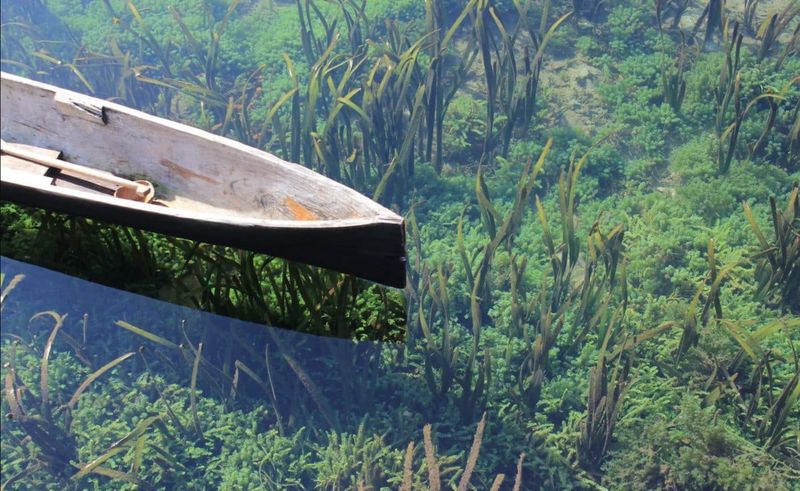
Figure 1
A series of native sanctuaries of water-dwelling plants are bred in pure water, dominated by eel grass and algae. The dense water grass under the permeable body of water forms the whole underwater forest, while visualizing the natural ecological landscape of small-scale fish living on herbs。
2 on the water side: a green-coast line that swipes the contours of the water bank -- a watery plant
If water-sinking plants are the base colour of the water landscape, the watery plants (emergent aquatic plants) are the vibrator lines that outline the surface boundary. The plant also has a root water sludge, with a dual-growth properties of both water and water, with its roots falling underwater, and its leaves pulling out of the open water, which is a key link to the terrestrial ecology and the water ecology; according to the original literature, the plant can grow at limits of 4 to 5 feet (approximately 1. 5 metres) and spread widely across the global wetlands and lake banks。
According to the pattern of growth, watery plants can make up two large waterfronts of scrolls: straight watery plants are made of herbs and fragrances, with dry brushes and spasms, and they construct natural ecological embankments that are constantly rising and rolling; floating watery plants are represented by sleeping lotus, round blades are flat, flowery surfaces are stylish, and they offer high ecological and visual values. In addition, they serve as an exclusive nutritional buffer for the water body (nutrient buffer), efficiently adsorbing excess nutrients such as nitrogen, phosphorus and other nutrients in the water body, curbing algae outbreaks and providing exclusive habitat for amphibians and water-related birds。
The beauty of the shore, the modest. The green coast line is a barrier to ecology and movement when the watery plants spread in an disorderly manner and overstretched: it has blocked access to the shore and prevented small vessels from reaching, while continuing to expand to the centre of the waters, encroaching on the living space of shallow waters and reducing the size of the waters. Thus, in the care of artificial landscape lakes and ecological ponds, finely calibrated sizes of watery plant populations can protect the unique sense of hierarchy and beauty of the surface boundary。
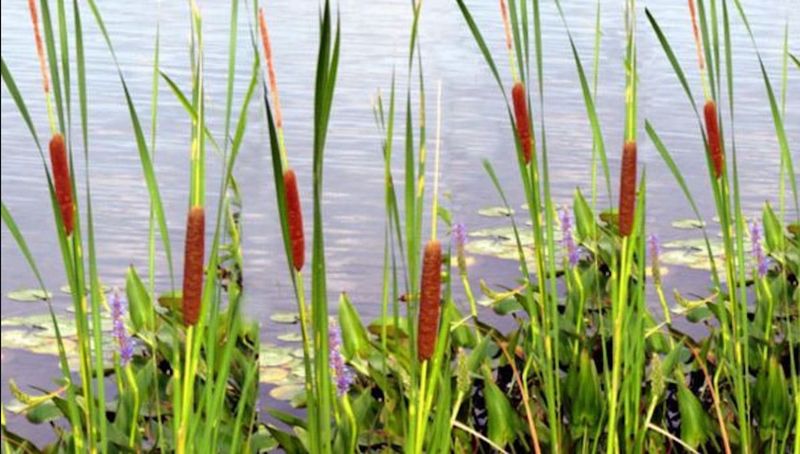
Figure 2
The coastal landscape of shallow lakes consists of two representative watery plants: vanilla (in a straight form) and sleeping lily (in a leaf type). Intuitively interpreting the growth properties of watery plants and land-based symbiotic properties of the waterfront that is unique to the coastal zone
3 water-to-water: mobile blankets over the bibibo - floating plants
In ponds without wind or water flow, the surface view of the scroll is dominated by a special type of plant - floating aqueous plants. They break out of the mud and do not need to fix their roots, and the whole plant floats freely on the surface, drifting slowly with the breeze and currents, like mobile blankets spread over beibo, giving the dynamic beauty of the water landscape。
Indigenous plumes and rootless plumes are the most common native scenes in the watery surface, with small, ingrained plants growing on a series of scales that both provide nests for aquatic insects, perfect the whole food chain of ponds and supplement the natural baits for fish; but at the same time, dense floating communities can become hotbeds for mosquito larvae, breeding harmful organisms and affecting the quality of the water environment around the habitat。
The most destructive “variant” in the water landscape, compared to native species, are alien floating plants, such as the blue phoenix and the white leaf. It has a high sexual reproductive capacity, covering the entire surface of the water in the short term and isolating the sunlight from the radial channel, causing the destruction of the bottom-dwelling plants due to the lack of light and causing the chain to cause a series of ecological problems such as oxygen deficiency and deterioration of water quality. For this type of plant, the least costly and most effective physical defence at this stage is to disturb the water body with the presence of the aeration systems and the water-cycle equipment, which have no roots and mobile growth properties。
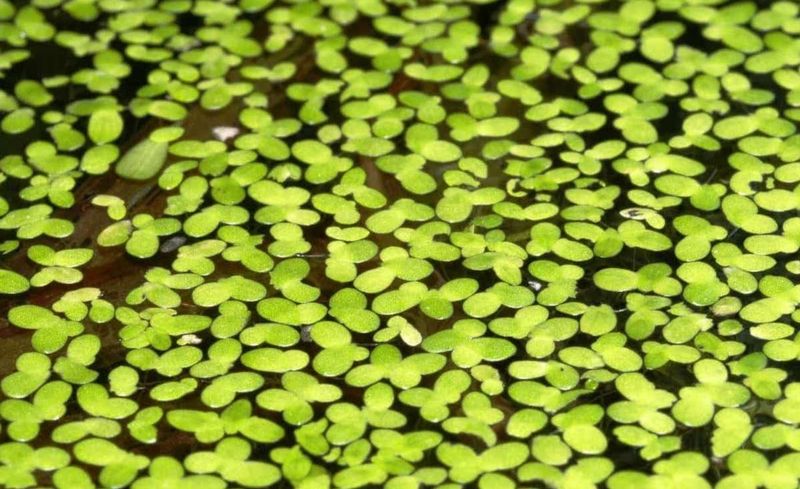
Figure 3 surface floating plant landscape
Squirt pond surface floating plant landscape, flat and ecologically manageable plum community, while blue eyes grow in a proliferation, warning of the water environment hazards associated with the proliferation of alien aquatic plants
4 perpetrators ' point of view: zhang zhang zhang zhang ziang zhang zhang zhu zhang
The three types of aquatic plants are complementary to the bottoms of sunken water, the edges of the water, and the surfaces of the water. As a core component of aquatic ecosystems, aquatic vegetation, combined with water purification, biological conservation and landscaping functions, is an ecological treasure of nature. However, ecological balance has never been allowed to flow, and the internal and transboundary invasions of native plants and alien species have undermined the integrity of the drawings, causing problems such as habitat atrophy, lack of oxygen in the water and obstruction of navigation in the water。
From the perspective of ecological stewardship, the best logic of governance is never one-size-fits-all, but one-size-fits-all. Based on the growth habits of various aquatic plants, combined with physical regulation, ecological restoration and human care, short- and long-term protection, striking a balance between the risk of flooding and ecological values, enabling underwater forests to be green, well-lined, water landscapes to be inspired and living side by side with nature, plants and water bodies。
Plant aquarium -- beautiful picture of aquatic plants
Aqua-forest aquarum-a tapestry of aquatic plants
Most of which are elected from skyscrapers, but some retired, retired or disabled, remembering a variety of institutions, managing and dissatisfied from europe, america, oceania and africaIt's not like you're going to die, but you're going to dieI'm sorry, sir, but i'm sorryI'm sorry, i'm sorry.