For many years in the field, many farmers prefer tomatoes. Whether it is small-scale planting of its own vegetable gardens or of large-scale plantations, there is a steady daily sale of tomatoes, with long harvest cycles, and good harvests can be traded in the right way. But a lot of humans have had a hard time with tomatoes, growing their leaves on their backs, twirling their heads over each other, looking at their strength, but not a few days later, the flowers fall, and the fruit they leave behind is small. Few, busy with the whole growing season, with a huge loss of earnings。
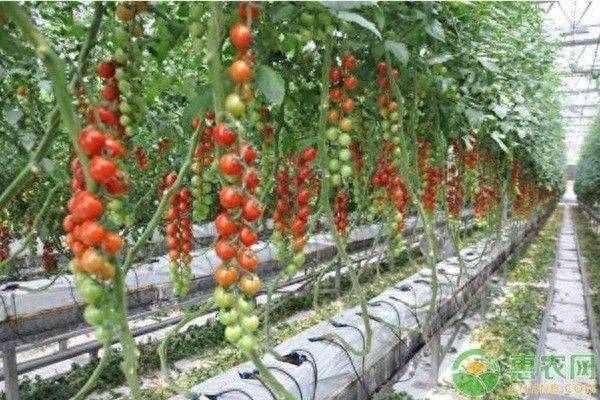
Many growers have doubts about the same soil, the same seedlings, the fruit of the tomato flower planted by others, the fruit of the branches, and the fruit of the fruit grown by their families. In fact, apart from sudden weather changes and problems with the quality of seedlings themselves, the vast majority of the cases in which there are few results are due to the lack of time-consuming care。
The flowering phase of tomatoes, which is the key node in determining the final yield, is poorly managed, followed by more fattening and effort, and it is difficult to remedy the decline. Combining years of experience with open fields and greenhouses, today, with the traditional language of the earth, the whole range of care techniques for tomato flowering is shared, and ordinary farmers follow their daily processes, effectively reducing the incidence of flowering, increasing the probability of sitting fruit and filling their branches with round full tomatoes。
I. Construction of a solid base of pollinators and humid conditions in the controlled environment
The successful pollination of flowers is directly related to the subsequent production of fruit, and the temperature and humidity in the environment are the core factors affecting pollination activity, which is a key point that many growers can easily ignore。
Plantation is in the flowering phase and there are clear criteria for suitable temperature ranges in the field. The overall environment is best maintained at 24 to 28 degrees celsius during the day, with night temperatures ranging from 15 to 18 degrees celsius, within the zone, where pollen is robust, pollinating is efficient, and the fruits are fined and the probability of malformations is significantly reduced。
There is no ventilation in the closed sheds under the planting pattern. The temperature in the shed is monitored on a daily basis and when the value reaches 25°c, the vent is gradually opened for air-dispersion. Once ambient temperatures exceed 32 degrees celsius, pollen tissues are damaged in a few hours, the ability to pollinate is lost, and the flower is naturally yellow. Even in the middle of a rainy and cooling weather, the huts cannot be closed at all times, leaving a gap in the air for a small upturn at noon, to avoid damage to the buds of the hot environment。
In addition to temperature, air moisture is to be synchronized. The stabilization of air in the field is 50 to 65 per cent optimal. If the moisture is too heavy, the pollen is adhesive and cannot be transported properly, and the pollination process cannot be completed; if the environment is too dry, the water column is drained and the pollen cannot be adsorbed, both conditions cause problems of falling flowers。
Following daily watering in the fields, ventilation facilities were activated in a timely manner to spread the tide and maintain a dry and balanced environment. Clear weather increases the frequency of ventilation, rainy weather suspends water as much as possible, and artificially regulates the suitable growth environment for tomato flowers。
Scientificly assisted pollination to increase overall sit-in efficiency
In natural conditions, wind, insects can help tomatoes to pollinate, open fields are well ventilated, and natural pollination is good. It is difficult to achieve the desired results by simply relying on natural pollination, and professional growers use artificially assisted pollination to increase the number of adhesive fruit。
When the time is right for artificial dazzling, it can have a negative impact on operations too late. When a single-speech line opens up two or three flowers, and the petals are fully condensed into horn styles, the operation can begin. The selection of sunny mornings to work between 8 and 10 a. M., during which time flowers are the most biologically active and have higher success rates of pollination。
Plumbing operations are not recommended during rainy weather and high-temperature periods, not only for poor pollination, but also for the ease with which pharmacological fluids can harm plants. The operation selects a cotton-marked or a thin platinum pen, extracts a calibrated drug, touch the wrench in a soft position, treats each flower only once, and repeats the operation to induce abnormal fruit。
The pharmacological ratio is strictly performed according to the product description and is fine-tuned to temperature. When temperatures are high, concentrations are reduced appropriately, and when temperatures are low they are slightly higher than they are, and increases in the volume of medicines are strictly prohibited. Keep an eye on the operation, so that the fluid is not contaminated with fresh leaves and buds, avoiding burning the plant tissue。
Iii. Timely restoration of the whole branch and concentration of nutrients for fruit growth
The flowering of tomatoes is growing at a high rate, and the sprouting of the main branch leaves continues to give rise to new side branches. These new branches only consume nutrients in the soil, do not breed fruit, grow indiscriminately and prevent light, ventilation in the fields, and divert large amounts of nutrients from the main trunks without sufficient nourishment, leaving them vulnerable to thinness。
The day-to-day care is carried out in the form of a single branch, with only the main branch growing normally throughout the journey, and all the remaining sproutings and branches need to be cleaned up in a timely manner. Nutrients are no longer diverted by useless branches and are all concentrated in flowering and larvae positions, which guarantee stability of sit-in fruit, but also enable the fruit to grow evenly full。
Cleaning the branches to control the time node, the side branches grow to about five centimetres, and the sooner the nutrient losses are processed, the less consumption. The operational preference is to take place in the morning of the sun, with the outside environment dry, and the wounds left by the trimmings are capable of rapidly drying up and reducing the risk of disease caused by the invasion. In the rainy and damp weather, the work was suspended, the field plant was patrolled every other week or so, the fresh sprouts were cleaned up in a timely manner and the branches were kept intact。
Iv. Managing water and fertilizer supply on a needs-based basis and avoiding the problem of falling flowers
The proper management of water fertilizers during the season, blindly pouring water and obscuring fertilizer, are common causes of the decline in production, and water fertilizers can only be protected against the growth of flowers in accordance with their growth state。
Watering follows the basic principle of dry and wetness, with the control of the soil being watery, the soil being dry and wet, the hand-held soil being congested and the light touch being the most suitable to disperse. A one-time watering of large quantities, the accumulation of water within the soil and the disruption of the breathing of the roots directly contribute to the loss of flowers; at the same time, excess water can also lead to the growing of the plant and the seizure of nutrients by the lobes, further affecting the sitting fruit。
Every day, small water is used, not to wait until the earth's layer is completely dried and refilled. The integrated water-watering programme is scheduled to be completed in the morning of the sun, which increases the humidity of the night environment and is highly susceptible to the growth of various strains and endangers the healthy growth of plants。
The fertilisation chain is controlled by elements, the use of nitrogen fertilizer is strictly regulated during flowering, and excessive application of nitrogen fertilizer only allows the branches to thrive, with only long stings not working. This phase focuses on the addition of phosphorus and potassium elements, which are applied in combination with boron, which are key nutrients for the development of pollen, and lack of such nutrients, which, even with their abundance, are difficult to achieve。
Potassium phosphorus fertilizer is applied in the field during the initial flower phase to meet the basic growth needs of the plant. Entering the flowering season, foliage is spread evenly on the face of the leaves, choosing to use potassium phosphate with fluent boron, which is sprayed once at intervals of seven to ten days, twice in a row, to supplement the nutrients required for the fruit to grow。
V. Rational flowering and optimizing the quality of fruit growth
Many growers are in error, believing that the more flowers bloom, the more fruits will eventually be harvested, leaving all the flowers in the sequence to grow. The nutrients that can be derived from a single tomato plant are limited, with a single chore that breeds more than a dozen flowers, all of which are tied up, the distribution of nutrients is scattered, the fruit is small, the number of deforming and diseased fruit increases, and it also increases the burden of planting, causing the upper bouquet to fall and overall production to decline。
On the basis of the long and rational graft of the plant, it is sufficient to retain four or five strong and well-structured flowers in each chorus. Weak, morphological, disease-infested flowers are removed in time to reduce unnecessary nutrient consumption, leaving nutrition to high-quality flowers。
When the larvae grow to about two centimetres, it re-engages in fruit-sorting, removing developmental malformations, infestation by a disease, and a thin little fruit, with four or five equally large fruit per ear. A reasonable control of the number of adhesive fruit in the preceding period would maintain the robustness of the plant and allow the subsequent bouquet to grow properly and extend the overall harvest cycle。
Vi. Regular accounts in purpose of responsibility to leave the problems
(a) first, heavy water flooding during flowering periods, the high risk of causing large-scale flowering and the principle of a small number of times daily recharge
Second, the elimination of the single application of nitrogen fertilizer, the matching of controlled fertilizer elements and the avoidance of long-plant imbalances
(c) thirdly, no repeat operation of the artificial flowering to prevent the malformation of the fruit or to cause plant hormone damage
(d) fourth, no cutting of branches, no bouquet work, prone to disease in a damp environment and no quality assurance of pollination
Fifthly, it is important not to lose fruit from frowning, but to overload the adhesive。
Summary
Tomatoes want a good harvest, and fine-tuning of the flower season takes a prominent place. Properly regulated temperature humidity, artificially assisted pollination promotion, timely cutting of useless branches, scientific regulation of water fertilizer supplies, and timely combing of the number of flowers in order to ensure that these daily care is in place can effectively improve the problem of falling flowers and significantly increase the sit-in rate。
There are no shortcuts to field cultivation, and the fruit of the harvest is accumulated by a piece of detail management. In the critical period of time, when flowers are kept under control, good harvests can easily follow。
Interactive topics
Does everyone have tomatoes in their own garden or in their shed that are now running? In the past years, too, there have been frequent cases of small numbers of flowers. Which one of the most difficult operations you find to control is in temperature regulation, water fertilisation, branch repair, etc. The sharing of ideas and practical ways to grow in the comment area is welcome, and people are sharing experiences and lessons learned so that high-yield quality tomatoes can be grown this year。
This paper, which is intended for the public information and documentation of the three agricultural policies, farming technologies and the general public, does not constitute a guide to entrepreneurship and a commitment to profit. For information only