The subject of history requires a lot of recitation, so generally, teachers or parents will find ways to accelerate the memory of the knowledge point for their children. Thinking maps, as they are understood, are a good memory tool. It is possible to list knowledge clearly so that it is easy to use and look at, so memory is not a problem, so how does it work? The following is a shared methodology for drawing up an overview of the historical points of knowledge at the junior high school level, which will hopefully help you。
Drawing tools: drawing quickly
Drawing method:
1. Since they are tool pies, they are often used to map ideas, and how? Searches the fast-drawing online website in the browser and clicks to select the text of the top right corner。
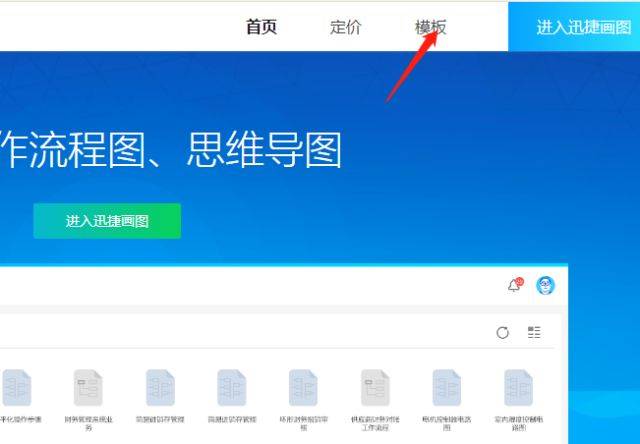
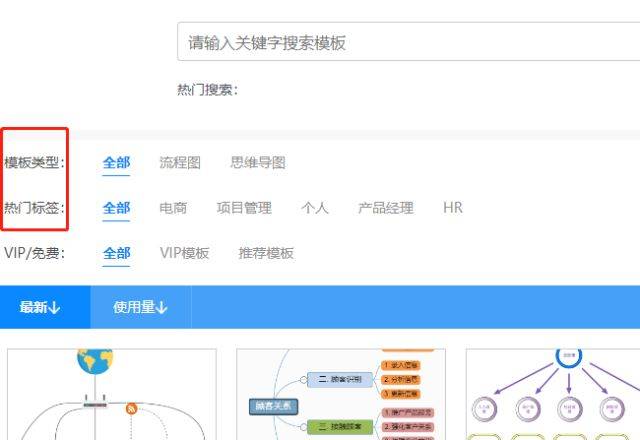
2. Jumps to the template page, which contains a fine thought map template that is clearly displayed in different categories and can be used in searching boxes for the required template。
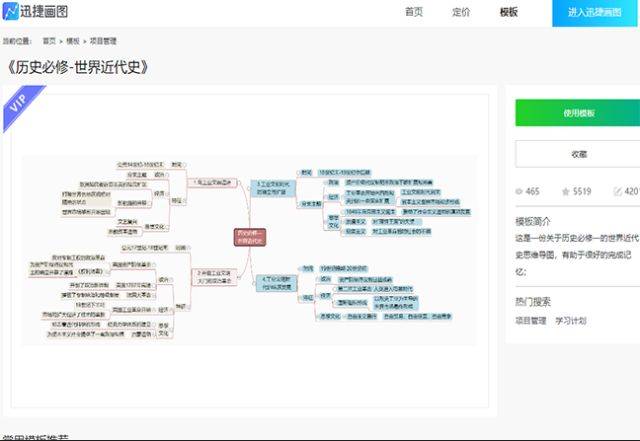
3. Select the template that is needed by clicking, a template profile and the name of the template, which can be used by clicking on the template。
It will be transferred to the online editing thinker panel, which will be a fine drawing template in the middle of the panel, surrounded by toolbars and easily accessible for editing。
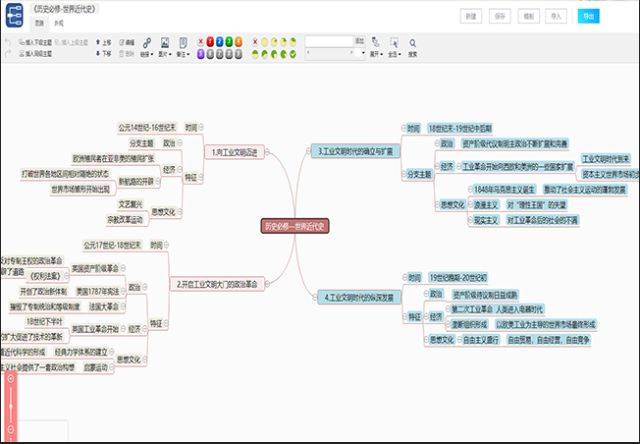
5. The editing of the template begins with the addition or deletion of nodes, which are decided on the basis of the central theme and can be achieved by clicking on the top left corner to insert the same or lower theme。
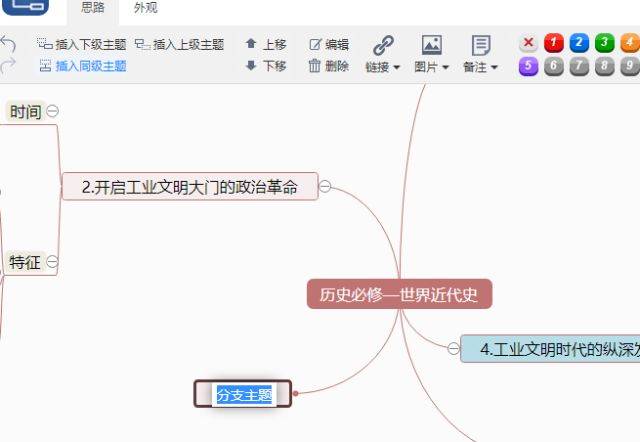
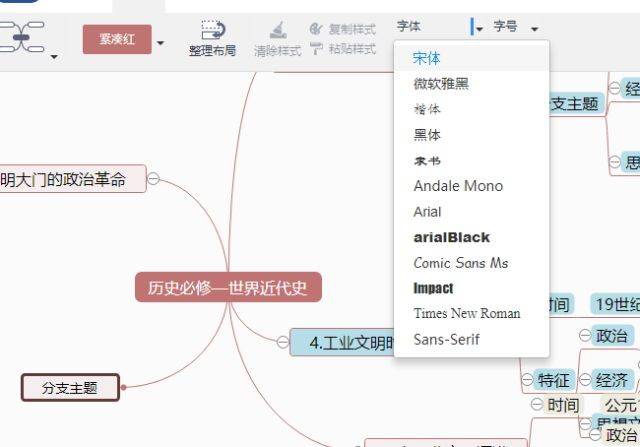
After the addition of the node is completed, the content is modified and the added node can be filled by double-clicking. You can also set font sizes and font styles in the appearance field。
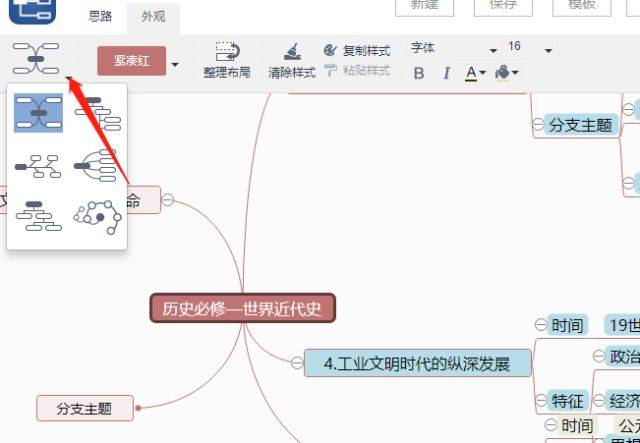
Once the content has been filled, the frame structure of the thought map can be selected in the appearance, with five different structures that can be used as needed。
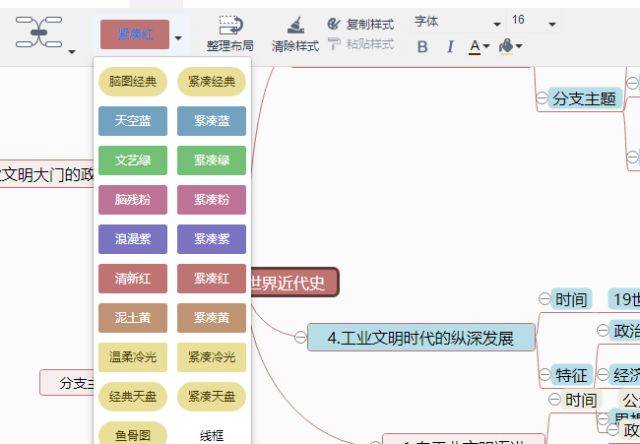
8. The colours of thought maps can also be set in the skin column, with two categories for each colour, which can be selected according to the circumstances。
9. Both methods can be displayed on the right of the panel and are optional。
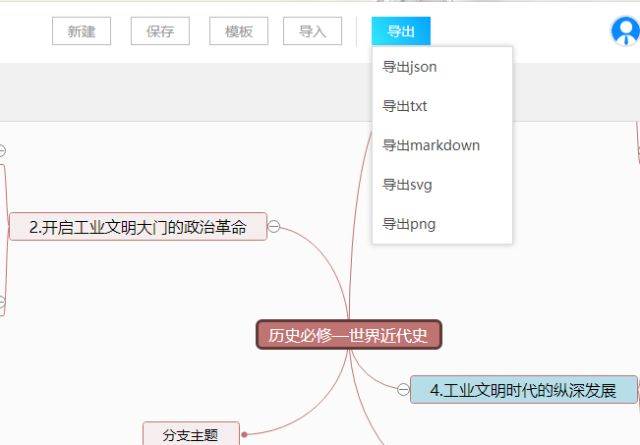
These are two operational methods for drawing points of historical knowledge that can be chosen according to circumstances, each of which is simple and hopefully helpful。