Environmental protection
With advances in science and technology, people's standard of living has improved considerably, but pollution has followed, and low-carbon, environmental protection has become increasingly important, sharing little green knowledge of our lives。
Small knowledge
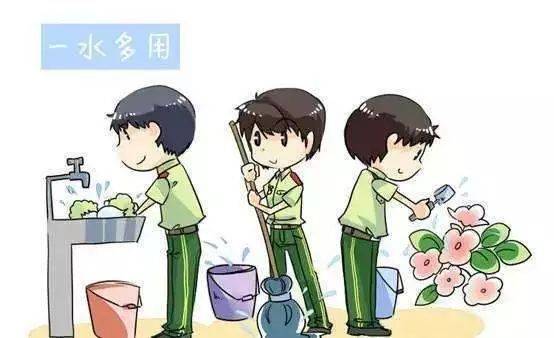
1. Water conservation
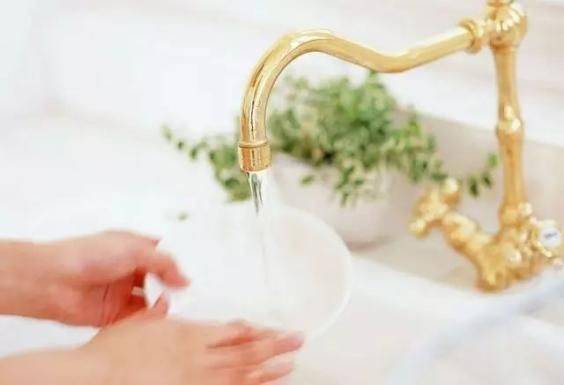
Close the tap at any time, so that it does not flow white; the leaking tap must be tightened; and the use of secondary water should be maximized. For example, water from rice or washing can be watered with flowers and face washes, and water from laundry can be left to wipe the ground and flush the toilet。
2. Less cleaning and laundry without phosphorus pink
Most detergents are chemical products that contaminate water sources. If the dishes are too greasy, the residuals can be greasy down and then washed with hot water, and the oily kitchen appliances can also be washed with soda。
3. Green travel to reduce private car usage
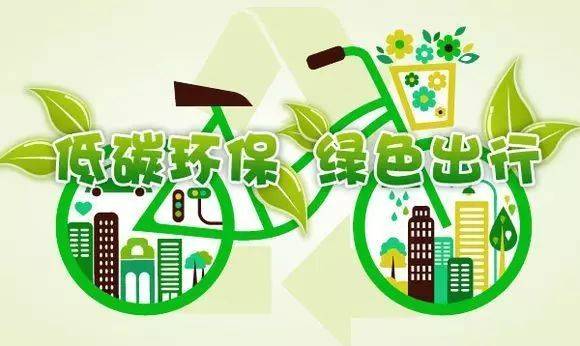
As far as possible, public transport, subways, bicycles, private cars and exhaust emissions are reduced。
4. Power conservation, power extraction at hand
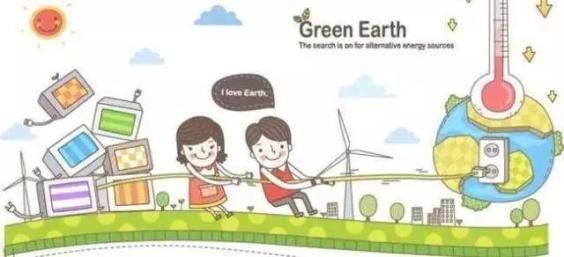
Blowers, chargers, washing machines, etc. Should not keep appliances on hold for long periods of time. Air-conditioning temperatures are set at 26-28°c。
5. Reduced use of one-time tableware, with your own chopsticks
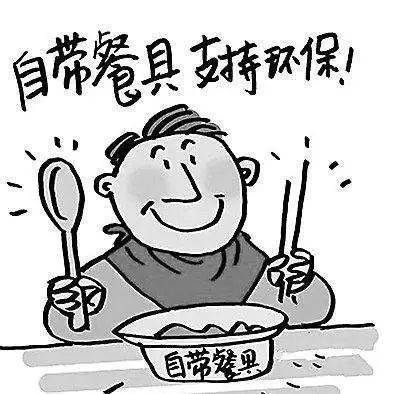
Less use of fast-food boxes, paper cups, etc., and especially less use of one-off chopsticks. Reducing the use of one-time chopsticks means reducing the consumption of forest resources and reducing the use of one-time chopsticks by 10 per cent across the country, thus significantly reducing emissions of about 1. 03 tons of carbon dioxide。
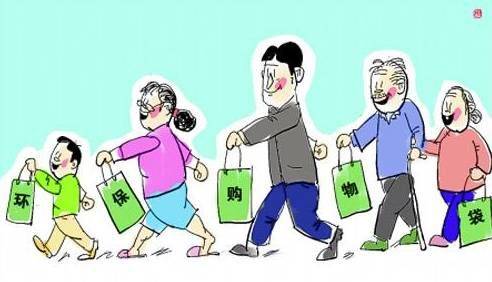
6. Bring your own basket to buy food in daily shopping
Less plastic shopping bags are available for purchases, and bags or baskets are used when shopping in the streets。
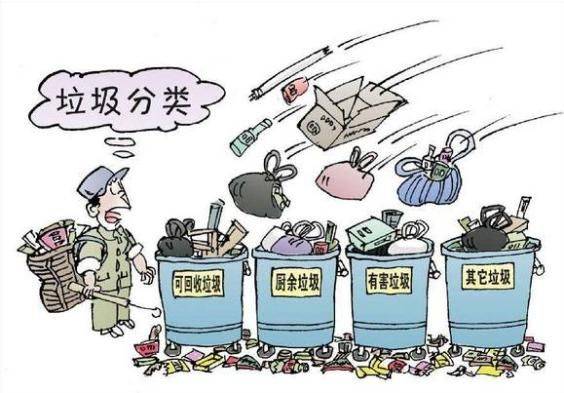
7. Waste sorting and recycling
The benefits of waste classification are to reduce land tenure and environmental pollution, to make waste valuable and to have social, economic and ecological benefits. There are various garbage bags that can be prepared in the home, such as paper, plastics, wrapping boxes, cooking trash, etc。

8. Turn off the light hand-to-hand and use efficient energy-saving light bulbs
Energy-efficient lamps can save 70 ~80% of electricity by replacing common incandescent lamps, and the life of energy-efficient lamps is more than six times that of ordinary incandescent lamps。
There's a lot of common knowledge about the environment in everyday life, beginning with the details around it, and it's a very important part of life's recyclable and non-recoverable resources
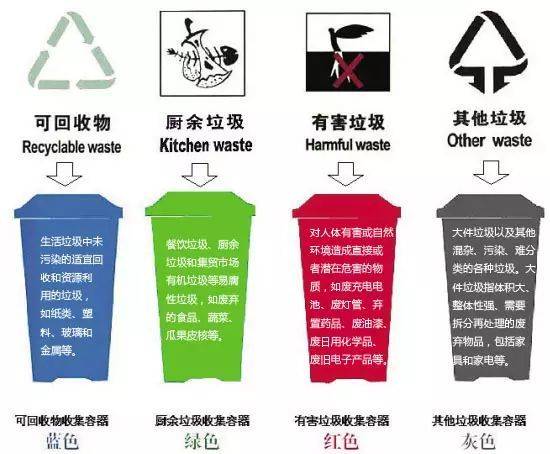
Recoverable resources in life
Waste paper: newspapers, books, wrapping paper, office paper, advertising paper, paper boxes, etc.
Plastics: plastic bags, plastic foam, plastic packaging, one-time plastic lunch box, plastic toothbrush, plastic cups, mineral water bottles, etc
Glass: glass bottles and broken glass, mirrors, light bulbs, heat bottles, etc.
Metals: easy to pull cans, tin cans, toothpaste skin, etc.
Clothes: mainly abandoned clothes, tablecloths, towels, bags, etc。
Unrecoverable resources in life
The main ones are cigarette butts, scrap batteries, slags, building garbage, paint paints, food residues, etc. Toxic waste includes scrap batteries, solar lamps, mercury thermometers, paint cartridges, medicines, cosmetics, etc。