The graphite is a celloid of carbon, which is grey, black, non-transparent solid, with high temperature tolerance, conductivity, lubricability, plasticity, heat shock resistance, chemical stability, etc., and can be used in deep processing for battery electrodes, fire-resistant materials, petrochemicals, electronics, atomic energy and defence industries。
The processing of graphite requires a series of processes such as shredding, grinding, floating, etc., which are shredding and grinding at the front of the entire process. The graphite mine, which has been mined, can first be broken by shredders to below 15-30 mm in preparation for the next stage of the mill。
Graphite mills recommend:
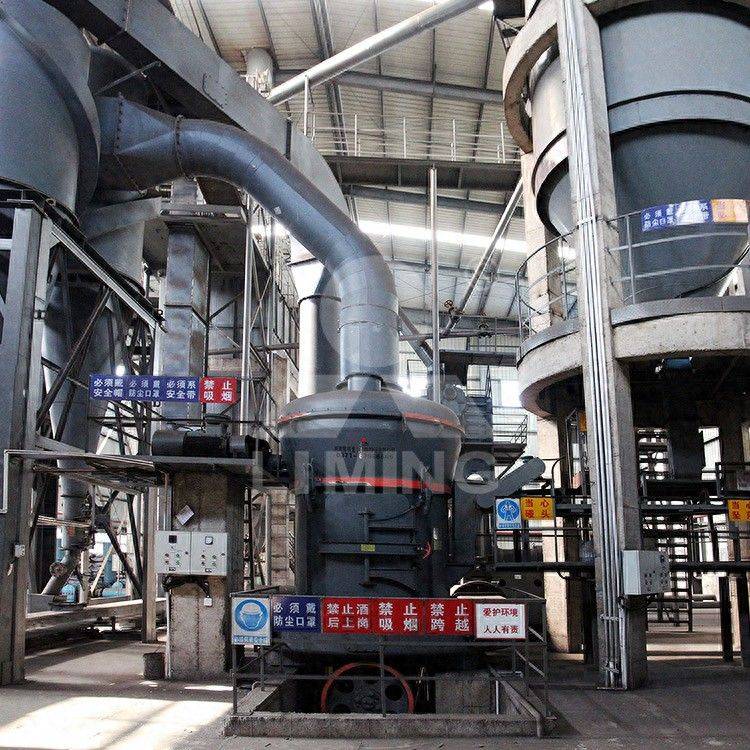
The european mill
In the case of processing graphite powder for 80-400 purposes, it is possible to choose a stand-up mill or a european mill (upgraded raymond mill), which can produce 200 lined powders currently used to focus on negative materials for new energy cells with high demand and meet medium-sized graphite powder projects。
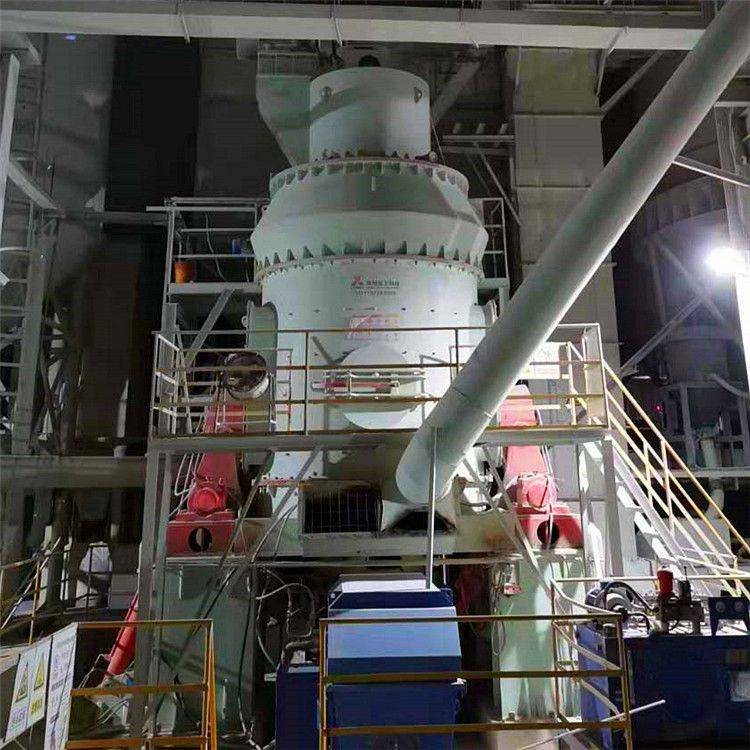
Stereo mills
Of these, the single mill can produce 5-80 tons at a time and the european version can produce 3-55 tons at a time, depending on the size of its production and its financial resources。
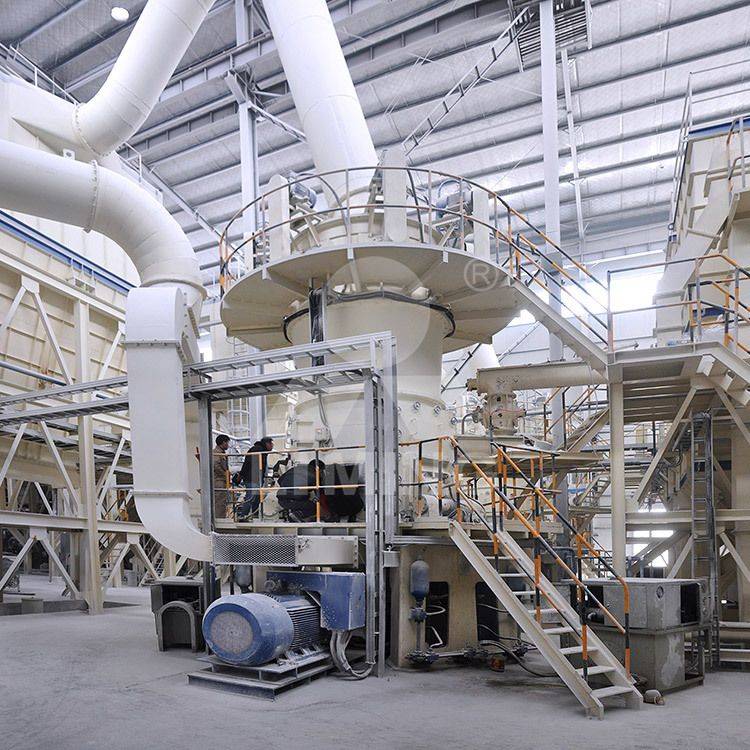
It's very thin
In the case of super fine graphite powder, which is 400 feet or more, it is possible to select ultra fine mills or ring mills, which can process super fine powders of different specifications, such as 600, 800 and 1250, which are more suitable for medium- and large-scale super fine powder processing。
Graphite powdering:
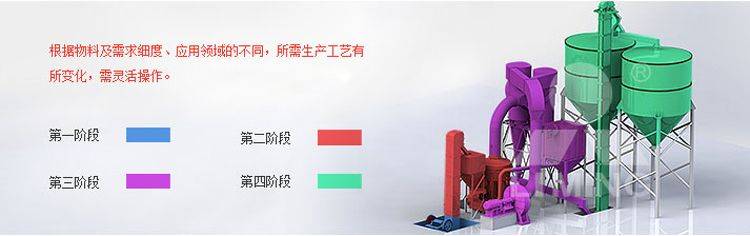
Powder process
Phase i: fragmentation
Large graphite is delivered into the shredder by vibration feeder and is broken to the size of the mill (15 mm-30 mm)。
Phase ii: milling
Small pieces of material after break-up are delivered to the silo, and then to the grinding room in a flat amount by the vibration feeder。
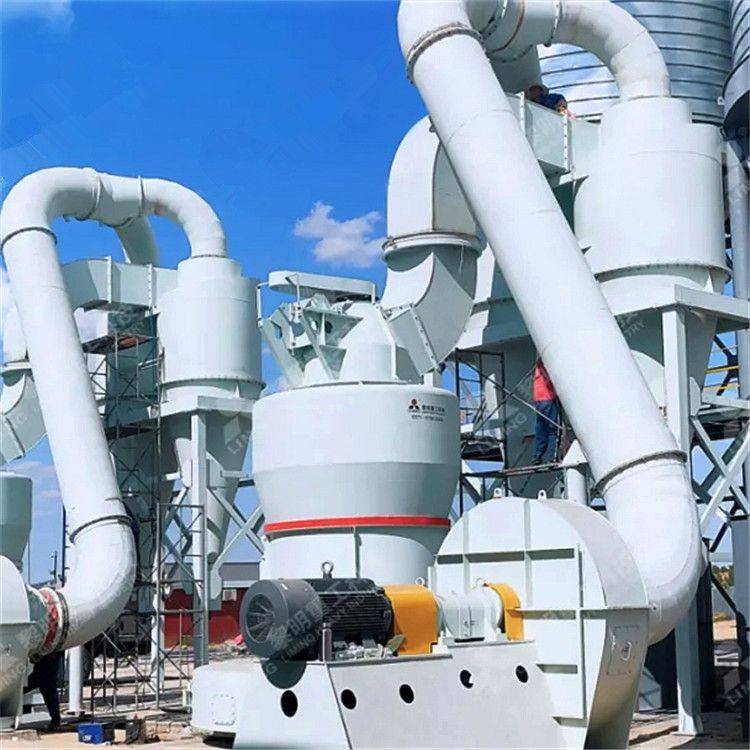
The powder scene
Phase iii: classification
The powdered powder is graded by the pollinator and the unqualified powder is selected for the powderer and returned to the host for milling。
Phase iv: pollination
The finely fine powder is separated and collected through the gas stream into the dust collector, and the finished powder collected is transported from the delivery unit to the finished material warehouse, which is then packaged in a single powder tank or automatic packer。
The whole system operates under a negative pressure state, with a pulsed scrubber and centralized dust collection, which meets national environmental standards。