Site application
In modern industrial and scientific fields, the vacuum environment has become an important safeguard for many experimental and production processes. The use of vacuum pumps combined with the use of vacuum ovens as a handling device in high-temperature conditions has broadened their application. Vacuum ovens with vacuum pumps demonstrate their unique advantages, especially where air or control atmosphere needs to be removed. This paper will present the structural features of vacuum ovens with vacuum pumps, operational maintenance and guidelines for their use in different contexts, from the perspective of practical applications, with the aim of helping readers to better understand and use the equipment。
I. Side application
1. High purity material treatment
In semiconductor, electronic component manufacturing and high-end material studies, purity of materials is essential. The use of vacuum ovens can heat up without air pollution and remove moisture, volatilizer or impurities from materials. For example, silicone or ceramic plates need to be pre-heated in a vacuum environment before being treated to avoid influencing performance by impurities in air。
Drying and pre-treatment of precision components
Mechanical parts, electronic components, etc., often require drying after their release from the plant to ensure stability of performance. Vacuum ovens, coupled with vacuum pumps, can quickly release moisture or other volatile substances to avoid contamination or unevenness from heat-to-flow during traditional dry processes。

The newest website is now available on 65535 over 65535
3. High temperature thermal treatment and material testing
Controlling atmosphere and pressure is important during thermal processing, ceramic sintering or chemical reaction of metal materials. An oven with a vacuum pump can achieve a low pressure environment, help adjust the microstructure of the material or facilitate the occurrence of special reactions. For example, certain ceramic materials can be heated in a vacuum environment and have a more even degree of sintering effect。
4. Covering and testing in the electronics industry
In semiconductor encapsulation or integrated circuit testing, simulation of extreme environments is often required. Through vacuum ovens, high temperatures before sealing can be processed in a non-polluted, non-aerobic environment to ensure the stability and reliability of the device。
Ii. Structural characteristics and working principles of the vacuum oven
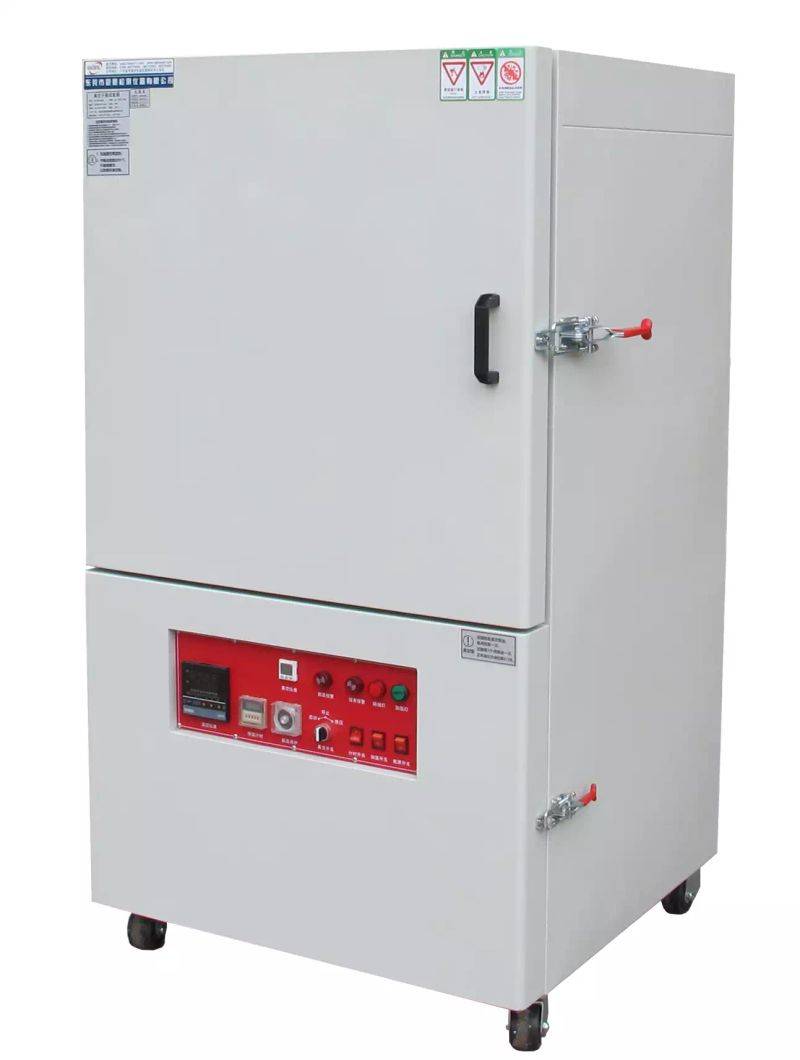
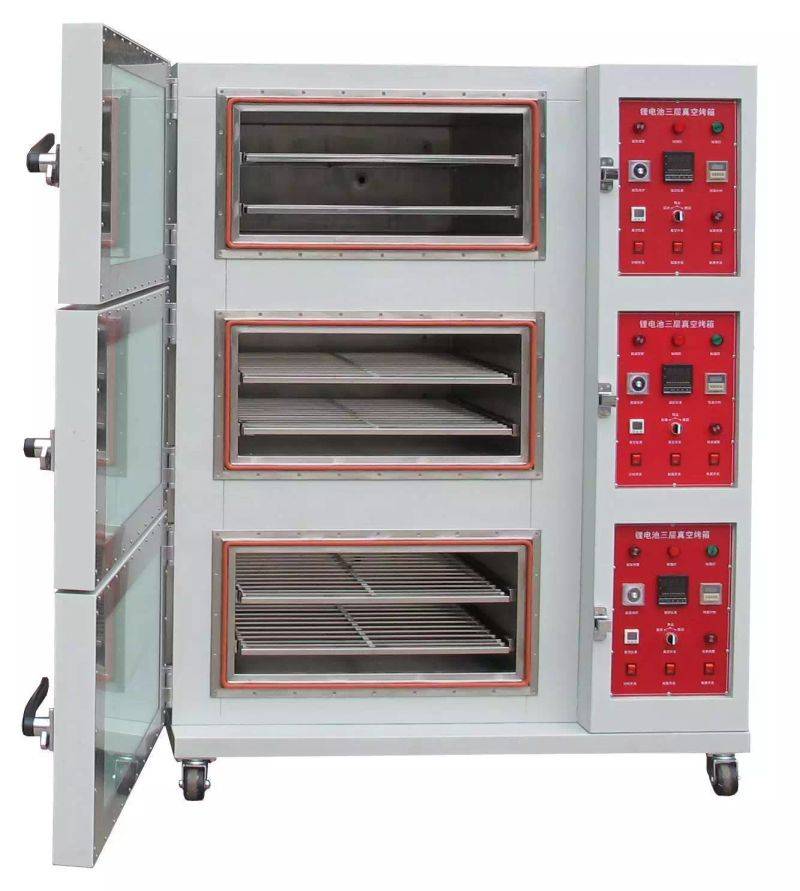
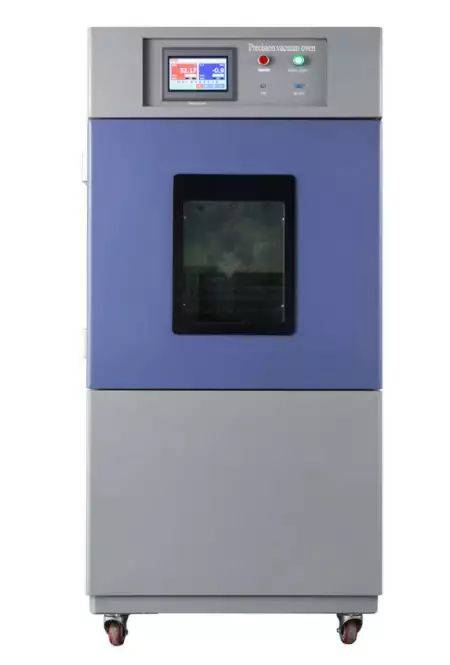
The vacuum oven consists mainly of heating systems, vacuum pumps, sealed structures and control systems. Its core advantage is to use vacuum pumps to pump the air out of the box to create a negative pressure environment, thereby reducing oxygen and other gas content for drying, degasing or special reaction purposes。
1. Structure
- heating systems: insulation panels are usually used to heat, which are fast and suitable for small samples; the latter are larger and suitable for large samples or bulk processing。
- vacuum pump: as a core component, remove the air from the box and maintain a certain vacuum. Vacuum pumps of different types have different pumping capacity and applicable scenes。
- sealed structures: ensure that the boxes are isolated from the outside world, prevent air leaks and guarantee the stability of the vacuum environment。
- control systems: to achieve automatic regulation and monitoring of temperature, vacuum and to ensure control of the process。
2. Rationale
Before heating, the equipment removes air through vacuum pumps, creating a vacuum environment. During heating, vacuum conditions help to accelerate the evaporation of moisture or other volatilizers and avoid possible gas obstruction or pollution problems at constant pressure. Upon completion of processing, the vacuum is gradually reduced, normal pressure is restored and samples are removed。
Maintenance and maintenance of vacuum pumps
Maintaining the proper operation of vacuum pumps is key to ensuring the stabilization of vacuum ovens. Reasonable maintenance measures can extend the useful life of the equipment and ensure efficiency of work。
Pre-treatment
Prior to use, samples containing solvents should be dried and then pumped into a vacuum to avoid damage from moisture or liquid entering the pump. It is prohibited to use wet samples, especially materials containing more water, to prevent vapour erosion of pumps。
Oil management
Vacuum pumps use more lubricants and periodically replace lubricants are necessary to ensure their normal operation. Keep the oil level in the middle line to avoid too low a level leading to poor lubrication or excessive spills。
3. Insorption prevention
The pump should be activated in the correct order to avoid the damage to the pump caused by the ingestion. After use, pumps should be cleaned and ventilated to prevent overheating and dust accumulation。
4. Disaster management
In the event of an acoustic, card death or stress abnormality, the electrical inspection shall be performed immediately and the failure shall be resolved. Common problems include oil contamination and leaks due to poor sealing。
Operational guidance and attention
1. Preheating and vacuuming
The heating system is preheated to target temperature prior to the formal handling of samples and the vacuum pump pump is activated. Once the required vacuum and temperature is reached, the samples may be placed。
2. Control parameters
Set appropriate temperatures and vacuums according to the nature of the sample. Different material and processing purposes require different parameter configurations。
3. Monitoring and record-keeping
Throughout the process, real-time monitoring of temperature, pressure changes is recommended. Where necessary, data records can be performed for analysis。
4. End and cooling
Upon completion of processing, the vacuum is gradually removed, the temperature is reduced and the sample is prevented from being damaged by drastic changes。
V. Maintenance of equipment and current distributions
1. Vacuum pumps do not pump
Possible causes include over-pumping or insufficient oil, damaged or leaking seals and cracking of the pump body. The lubricant should be replaced in a timely manner, seals should be checked and leak sites should be cleared。
2. Vacuity below expectations
Check the pneumatic pipes for congestion or leakage and confirm that the pumps are functioning. Increased pumping capacity or optimization of sealing structures when necessary。
3. Temperature does not rise or is slow
Verify the operational state of the heating system to confirm whether the power source is normal. Sensor failure also leads to temperature control anomalies that need to be replaced or calibrated。
Vi. Summary and outlook
Vacuum ovens with vacuum pumps play an important role in research and industry. A more efficient and pure treatment can be achieved by rationally exploiting its vacuum environmental advantages. In practical applications, a focus on equipment maintenance and operating norms would help to extend the equipment's life and ensure the stability and reliability of the treatment。
As technology evolves, future vacuum ovens may be integrated into more intelligent control systems that enhance the ease and safety of operations. For users, an understanding of the structural rationale and maintenance elements of the equipment is the basis for the full performance of its functions. It is hoped that the presentation of this paper will provide some useful references for the selection and use of vacuum ovens in your practical work。