When digital information in electronic devices is lost as a result of error, hardware failure or accidental damage, data recovery becomes the key technology for recovering it. Like many technical services, their cost composition is not uniform, but is influenced by a combination of factors. Understanding the composition of these costs and comparing them with other common consumption or technical services help us to see the value of the service more rationally。
The cost of data recovery is broad, ranging from relatively low to very high. This depends primarily on the following core factors:
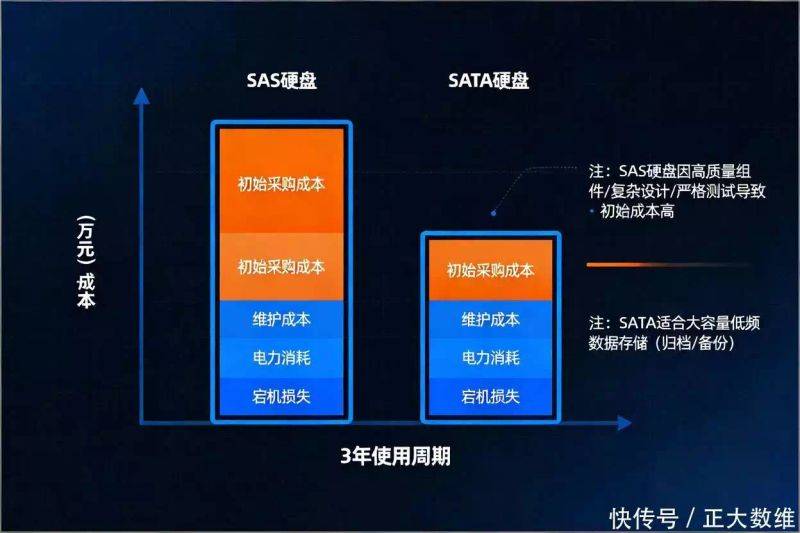
1. Complexity of failure: this is the primary factor determining costs. Logical layer failure, such as document error, partition table damage or software conflict, is usually relatively direct and less costly to resume. Physical layers of failure, such as hard disk head damage, disk cut-off or solid-state hard drive master chip failure, require precision operations such as opening in a dustless environment and may require the search for matching spare parts, with significant technical difficulties, time and costs。
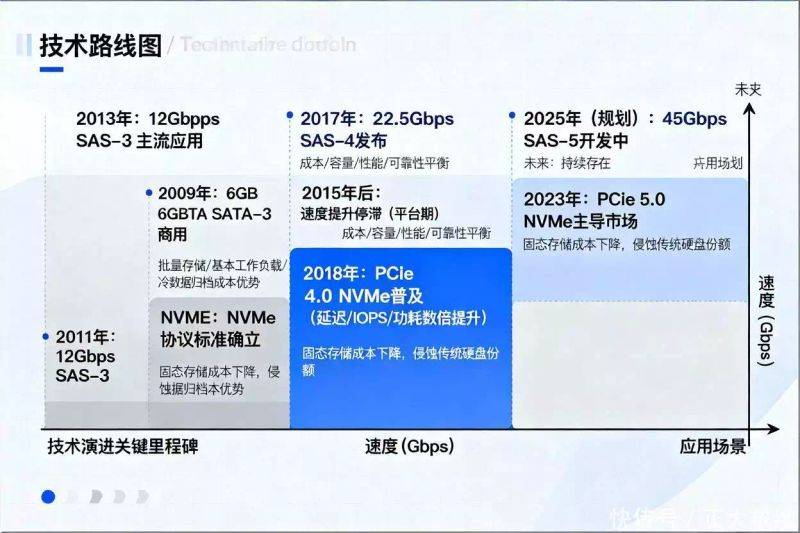
2. Types and state of storage media: traditional mechanical hard drives, relatively new solid hard drives, mobile hard drives, disks, storage cards and complex rad disk arrays have different structures and working principles and recovery techniques. Often, recovery techniques for solid-state hard drives and rad arrays are more complex and costly. In addition, whether the equipment was damaged and tried or mistreated again could seriously affect the recovery success rate and difficulty, thereby affecting the offer。
3. Volume of data to be restored and degree of urgency: restoration of several specified documents and restoration of data for the entire sector, differences in the workload of engineers in scanning and extracting data. At the same time, additional exigency costs may arise if users have urgent time requirements requiring urgent laboratory processing。
4. Professional level of service providers and operating costs: professional data recovery services require expensive hardware equipment (e. G. Pc3000, deep space equipment, etc.), highly clean dustless laboratories and experienced engineers. These high fixed input and human costs are naturally reflected in service prices. Different agencies will also have different offers, depending on their technical strength, brand and location operating costs。
In order to understand more clearly the characteristics of the recovery costs of the data, we can compare them with several common types of consumption or services:
Comparison i: comparison with the cost of purchasing new storage equipment
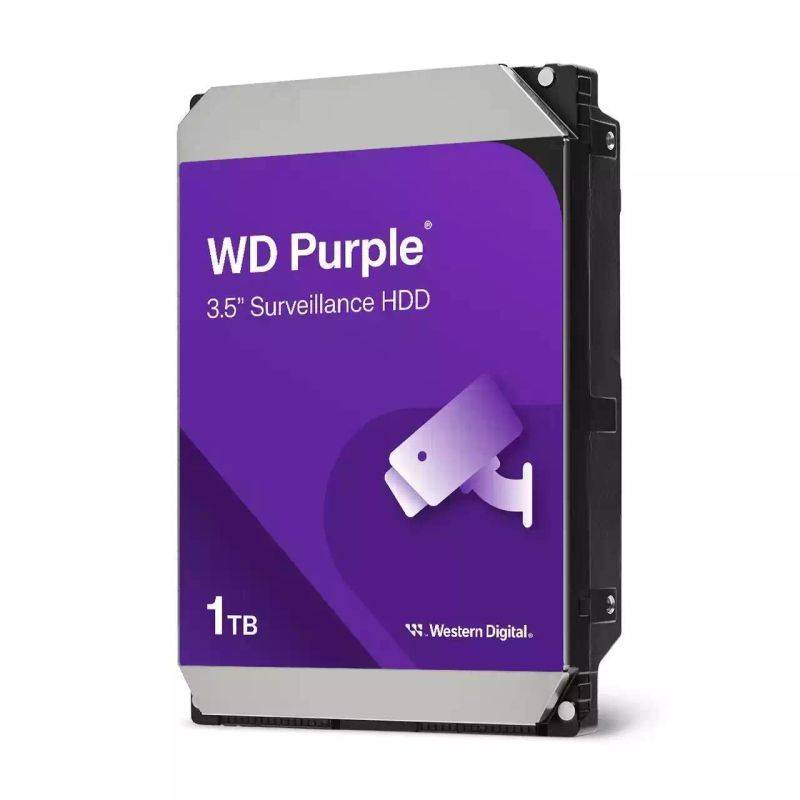
A new large-capacity hard drive or solid hard drive at a clear and relatively fixed price. The cost of data recovery may be lower, near or much higher than the price of the new equipment. The key difference is that the purchase of new equipment is for future storage space, while data recovery is for the value of information that is “existing in the past” and cannot be regenerated through simple reproduction. Cost measures are not the hardware itself, but the potential value of its unique data (e. G., household photographs, work files, project information). When the value of the data is much higher than that of hardware, the need for recovery, even if higher, is highlighted。
Comparative ii: comparison with conventional computer maintenance services
Ordinary computer maintenance, such as replacement parts, reloading systems, and the removal of viruses, solves the problem of “functional functioning” of equipment. Their processes and requirements for spare parts are relatively standardized and work hours are more predictable, resulting in a more transparent and fixed cost structure. Data recovery, on the other hand, is designed to solve the problem of “data accessibility”, and each case may be a unique “mystery” with no identical solution. It is more like a sophisticated “surgery” or “archaeological excavation”, requiring diagnosis, programming, trial repair and extraction, with uncertainty about the process, and this non-specified technical service character is the root cause of its high cost volatility。
Comparative iii: comparison with cloud storage services
Cloud storage services usually exist in the form of monthly or annual subscription fees, providing users with easy data backup and synchronization. This is a preventive and continuous expenditure aimed at reducing the risk of data loss. Data restoration costs are a remedial, one-time expense that occurs after preventive measures have lapsed or have not been taken. From an economic point of view, regular payment for cloud services can be seen as a risk hedge cost; data recovery costs are the actual costs of post-risk losses. The former are cost-defined and low-cost, but there is no guarantee that all data will be backed up; the latter are uncertain and potentially expensive, but it is the last resort for recovery after data are lost。
Comparison iv: comparison with services in specialized areas (e. G. Legal advice, maintenance of sophisticated instruments)
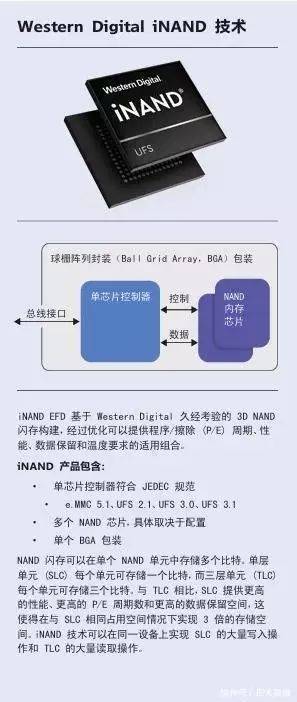
Similar to legal advice, data recovery services are highly dependent on professional experience and technical judgement. The empirical value of engineers directly affects the accuracy of the diagnosis and the success of the operation, and this part of the “knowledge premium” is an important part of the cost. At the same time, as with the maintenance of high-end precision instruments, data recovery requires specific, expensive tools and environments (undustless), the depreciation and maintenance costs of which are also shared for each service. The share of human knowledge and specialized equipment in the cost composition of such services is much higher than that of retail or simple labour for ordinary goods。
In summary, the cost of data recovery is not set at random and closely reflects the combined cost and technical value of a service. The characteristics can be summarized as highly case-specific, highly technology-dependent, complex costs (knowledge, equipment, environment) and ultimately indirectly linked to the uniqueness and importance of data lost by users。
For users, in the event of data loss, it is rational to first immediately stop any write-off of storage equipment to prevent the data from being covered, and then to consult professional institutions to provide as detailed a description of the failure as possible in order to obtain an initial diagnostic and quotation assessment. It was important to understand the technical basis behind the offer and to select a service provider with good credibility, transparent processes (e. G., testing before offering a bid, restoring success before charging a fee), rather than simply pursuing the lowest price. As improper recovery attempts may lead to the destruction of the data profession, no subsequent professional body will be able to return。
Ultimately, recognizing the legitimacy of the cost of data recovery also reminds us of the importance of routine data backup habits. Treating data restoration as an expensive “last line” that does not guarantee success, rather than a routine operation that can be relied upon at will, is the sound approach to digital assets。