Introduction
As infrastructure and high-level buildings continue to develop, the use of bulk concrete is becoming more widespread. However, temperature cracks are often created as a result of the temperature stress and condensation of cement hydroclimatic heat during construction. Temperature cracks not only affect the overall and aestheticity of the structure, but may also have serious implications for its carrying and durability. It is therefore of great relevance to study techniques for the control of mass concrete temperature cracks。
I. Equipment analysis of component freedoms of comprehensive conclusion
The formation of mass concrete temperature cracks is a complex process involving a combination of multiple factors. The main causes are the hydrocement heat, internal and external temperature differentials, constraints and constrictions of concrete。
First, cement hydro-heating is one of the key factors that triggers temperature cracks. The chemical reaction of the cement with the water released a large amount of heat after concrete was poured. For the bulk of concrete, the volume of cement required due to its size has increased, resulting in a corresponding increase in heat generated by hydro-heat. These calories accumulate within concrete, resulting in a rapid rise in internal temperatures。
Second, internal and external temperature differentials are another important factor in the formation of temperature cracks. The temperature within the bulk of concrete is much higher than in the external environment due to the accumulation of hydrocides. This temperature difference results in different thermal expansion of the internal and external parts of the concrete, resulting in a temperature stress within the concrete. When the stress exceeds the tensile strength of concrete, cracks emerge。
Third, binding conditions also play an important role in the formation of temperature cracks. The binding conditions are defined as external and internal. External constraints arise mainly from the boundary conditions of structural matter, such as limitations based on other external factors. When the temperature inside the concrete changes, the concrete is not free to transform due to the presence of external constraints, thus creating a temperature stress. Internal constraints are caused by temperature and deformation differences between different parts of the concrete. For example, lower temperatures and faster contraction of concrete surfaces, while higher internal temperatures and greater inflation, this inconsistency in internal and external deformation also results in a temperature stress。
Finally, the condensation of concrete is also one of the causes of temperature cracks. During the sclerosis process, concrete is constricted due to water evaporation, reduction in the volume of cement hydrochemical products, and bone deposition. This deformation produces a pull in the concrete, and a crack occurs when the pull exceeds the strength of the concrete's resistance. In the bulk of concrete, temperature cracks are more likely to occur because of the size of the condensed shape。
The causes of the general concrete temperature cracks are multiple and require a combination of factors and corresponding control measures to effectively prevent and control the creation of temperature cracks。
Ii. Rationale for temperature crack control
The rationale for temperature crack control is mainly to reduce or avoid the creation of cracks by controlling the temperature, stress distribution and deformation of concrete. In particular, the following points can be made。
(i) reduction in hydro-heat and temperature
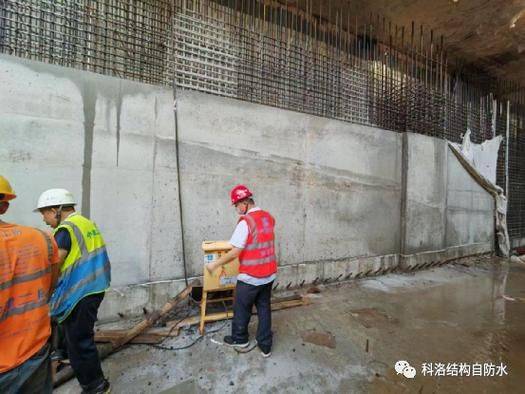
The following measures can be taken to reduce hydro-heat and temperature increase: first, to optimize concrete matching and reduce cement usage, thereby reducing heat from hydro-heated heat; secondly, to introduce low-heat or medium-heated cement, which is relatively low-heated and can reduce the release of heat; and lastly, to add blends such as powder ash, mine dust and water-reducing agents, tarcinants, etc., to improve concrete performance and reduce hydro-heating。
(ii) reduction of internal and external temperature differentials
Reducing internal and external temperature differentials is key to preventing temperature cracks. This can be achieved by pre-cooling the concrete before it is laid, reducing the temperature of the emulsion of the concrete; by introducing a layering approach, each of which should not be too thick to facilitate the distribution of heat within the concrete; and by strengthening the preservation of the temperature of the concrete so as to avoid the internal and external cooling of the surface of the concrete, which is rapidly decreasing。
(iii) improved conditionality
Improving constraints is also one of the important measures to control temperature cracks. The external constraints on structural matter could be reduced through sound structural design and construction arrangements. At the same time, basic or other external constraints, such as sliding layers, are dealt with appropriately before concrete is laid down in order to reduce constraints. For the improvement of internal constraints, internal temperature differences and deformations can be reduced by optimizing concrete matching and construction。
(iv) enhanced concrete resistance to fragmentation
Improving the resilience of concrete is also an effective way of preventing temperature cracks. The resilience of concrete can be enhanced by the addition of fibre materials, such as steel fibres, polypropylene fibres, and reasonable conservation measures to ensure the design strength and durability of concrete。
Thus, the rationale for temperature crack control is to achieve effective control of temperature cracks by reducing hydro-heat and temperature rise, reducing internal and external temperature differentials, improving constraints and improving concrete resistance. Appropriate controls should be selected on a case-by-case basis and integrated management should be combined to ensure the quality and safety of bulk concrete。
Iii. Concrete material selection and optimization
The selection and optimization of concrete material is essential to control the temperature cracks of the mass concrete. In constructing large concrete structures, we must carefully consider the nature of the material itself and how to reduce the temperature stress and prevent the creation of cracks through material allocation。
With regard to the selection of cement, the preference should be for low- or medium-heated cement, taking into account the characteristics of the mass of concrete. The relatively low heat generated by this type of cement during the hydrochemical process can significantly reduce temperature rises within concrete, thereby reducing the temperature stress. The use of low or medium thermal cement can reduce the release of heat from the source and is an effective means of preventing temperature cracks。
Apart from the choice of cement, the use of blends is an important way of optimizing concrete material. Combinations such as dust and dust can not only improve the working performance of concrete, but also further reduce hydro-heating. These blends act as a “buffer” in concrete, slowing down hydrochemical reactions and thus reducing the concentration of heat releases. At the same time, they also increase the later intensity and durability of concrete。
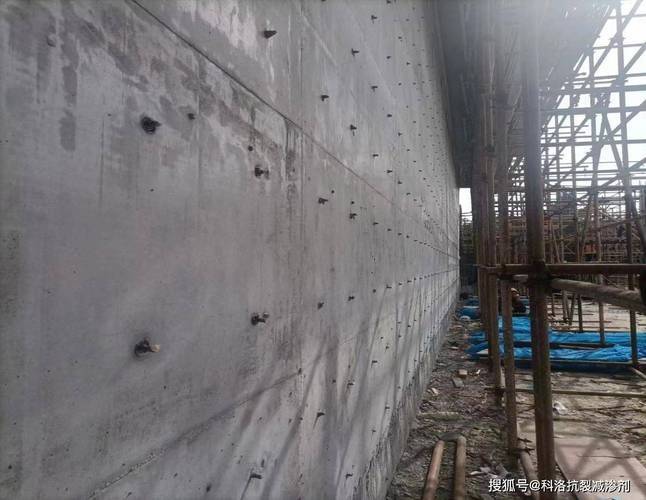
In the selection of the bone, preference should be given to a small and well-formed thermal expansion factor. Such bones can effectively reduce the size of concrete and thus the stress associated with temperature changes. In addition, good grade pairs increase the sophistication and intensity of concrete and help prevent cracks。
In addition, additives are an important means of optimizing concrete materials. Water-relief agents can reduce the water ash ratio of concrete and increase the intensity and durability of concrete; they can prolong the initial condensation of concrete, make concrete work better in the construction process and facilitate heat distribution. The use of these additives needs to be carefully tailored to specific engineering and environmental conditions in order to achieve optimal results。
In general, the selection and optimization of concrete material is a complex and detailed process involving a combination of multiple materials and multiple characteristics. It is only through scientific choice and rational allocation that high-performance, crack-resistant concrete can be produced to effectively control the temperature cracks of the bulk concrete。
Iv. Methodological approach and while control measures
The stratification technique is widely used in the selection of construction methods. The technique is to reduce the temperature peaks within the concrete and reduce the temperature gradients by placing the bulk of the concrete in a layer, each layer within a specific area of thickness. This method allows sufficient time for each layer of concrete to disperse the heat, thereby reducing the temperature stress and effectively preventing the creation of cracks. At the same time, embroidery is a key step in ensuring the confidentiality of concrete, increasing overall intensity, reducing internal holes and further reducing the risk of fragmentation。
Temperature protection is a top priority for temperature control measures. Upon completion of concrete irrigation, cover wetting materials, such as wet sacks, plastic sheeting, etc., in a timely manner to reduce water evaporation from the concrete surface and prevent cracks resulting from dry contraction. At the same time, temperature protection measures are necessary to reduce temperature differentials within and outside concrete by covering the concrete surfaces with temperature-preserving materials such as foam sheeting, grass curtains, etc., thus avoiding the creation of temperature cracks. In addition to the above-mentioned basic measures, the use of cooling pipes is an effective temperature control method. Pre-burial cooling pipes before concrete is laid to lower the temperature within the concrete by recycling cold water. This method can directly and effectively control temperature rises within concrete, further reducing temperature stress and preventing cracks。
In addition, the concrete temperature should be monitored in real time during construction. Through the installation of temperature sensors at key locations, the builders can keep abreast of temperature changes in concrete in order to adjust temperature controls in a timely manner to ensure that concrete is hardened within a safe temperature range。
The risk of mass concrete temperature cracks can be significantly reduced through rational selection of construction methods and effective temperature control measures. These measures not only increase the durability and safety of concrete structures, but also provide strong guarantees for the smooth running of the works. In actual construction, these methods should be applied flexibly in accordance with specific engineering conditions and environmental conditions in order to achieve optimal results。
V. Monitoring and early warning of temperature cracks
The monitoring and early warning of temperature cracks is an important link in ensuring the integrity and safety of the mass concrete structure. Timely monitoring and early warning of the temperature cracks during the construction of the bulk concrete would effectively avoid the extension of the cracks and secure the structure。
The monitoring of temperature cracks consists mainly of real-time monitoring of internal temperature of concrete and regular observations of concrete surface cracks。
Monitoring of the internal temperature of concrete is usually done by embedding temperature sensors at key locations. These sensors are able to accurately measure temperature changes within concrete and transmit data to monitoring systems. Based on real-time monitoring data, construction staff can understand the temperature distribution within concrete and trends in temperature changes. When an abnormal increase or decrease in temperature within concrete is monitored, measures can be taken in a timely manner to prevent the creation of temperature cracks。
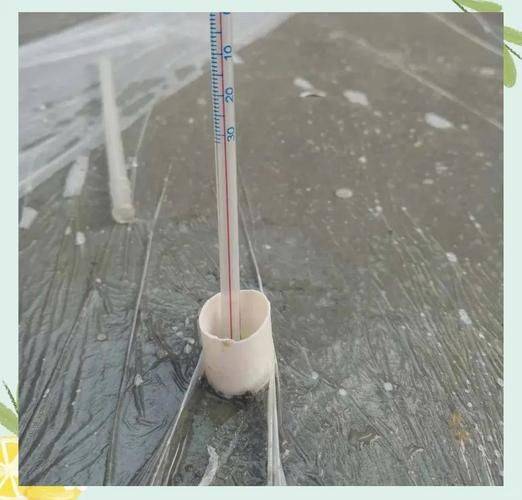
Early warning of temperature cracks can be achieved by setting temperature thresholds and crack width thresholds. When the monitored temperature or crack width exceeds the established threshold, an early warning system automatically triggers an alarm and alerts the construction staff to take timely steps to process it. Such early warning mechanisms could significantly improve the timeliness and effectiveness of temperature crack control。
Overall, the monitoring and early warning of temperature cracks is an important element in the construction of the bulk concrete. A combination of real-time monitoring and periodic observations to detect and process temperature cracks in a timely manner ensures the integrity and safety of the mass concrete structure. At the same time, data analysis using modern information technology could provide more scientific and accurate guidance for future construction。
Vi. Analysis of examples of works
In order to provide a better picture of the effects of the application of mass concrete temperature crack control techniques, the following analysis will be carried out in conjunction with a specific project example。
For a large commercial complex project, the basement component uses a general concrete structure. In the course of the construction, and in order to ensure the integrity and safety of the concrete structure, the construction unit implemented a series of temperature crack controls。
In terms of material selection, the project uses low-heat or medium-heat cement, and has been able to reduce the hydro-heat and temperature rise of concrete by adding suitable blends of ash and sludge. At the same time, the intensity and durability of concrete have been enhanced by optimizing concrete matching and using efficient water abatements。
In terms of the construction methodology, the project employed a layering technique, with each layer being kept within strict limits. In the course of the planting, the concrete was sufficiently drilled by the construction staff to ensure its confidentiality. In addition, measures have been taken to preserve the temperature of protection against ww to reduce hydro evaporation and internal and external temperature differentials on concrete surfaces。
To monitor temperature changes in concrete in real time, the construction unit installed temperature sensors at key locations and transmitted data to the monitoring system. Through real-time monitoring data, construction personnel are able to keep abreast of the temperature distribution within concrete and take appropriate temperature control measures。
After a series of temperature crack control measures, the project's mass concrete structure did not show visible temperature cracks during the construction process. Following the completion of the project, the integrity and safety of concrete structures were effectively safeguarded through testing and acceptance。
The example of the project shows that the temperature cracks of the mass concrete can be effectively controlled through reasonable material selection, construction methods and temperature control measures, and real-time temperature monitoring and early warning. These measures are important for ensuring the quality and safety of the works and provide useful references and lessons for similar projects。
Concluding remarks
The following conclusions can be drawn from the analysis of the causes of the mass concrete temperature cracks, as well as the underlying principles of temperature crack control, material selection and optimization, method selection and temperature control measures for construction, monitoring and early warning of temperature cracks and analysis of specific project examples: the control of mass concrete temperature cracks is a system project that involves a number of elements, including materials, design, construction and monitoring. Only scientific methods and fine management can effectively prevent and control the creation of temperature cracks and ensure the durability and safety of concrete structures。