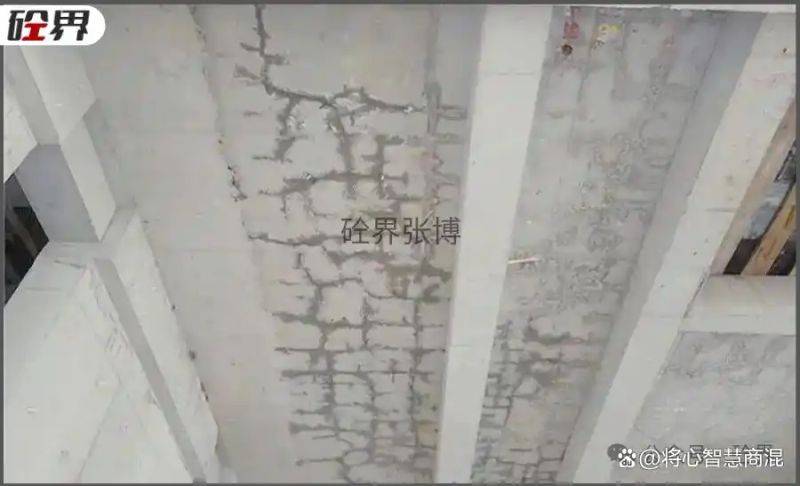
The bulk of concrete is built, thousands of pieces of work are moved, and the conservation is broken like a web of spiders, and the beams and the floors are all cracks, and the front-line is full of water
Some projects, without cooling pipes, have sprung up to 70°c within concrete, with a temperature difference of over 40°c between the surface and the interior, and have broken a three millimeter wide line
And there's a super-high basement floor, layered, uncontrollable intervals, cracks...
Many project managers and builders, using the bulk of concrete as a "normal concrete magnification" without any knowledge of the destructive effects of temperature differentials, contractions, and the environment's three main "breath sources"
The bulk of concrete is thick and concentrated, crack control is systematic, and a single measure is useless and must be multipronged
Crack control begins with matching, temperature control, monitoring, maintenance of the whole process
I. Causes of the bulk of concrete cracks
01
Temperature cracks? That's a fire "cool"
Many people understand the bulk of concrete, but they are still on the "large" side。
Once the pump stops, it's done。
Big mistake。
The core of the bulk of concrete is not "big" but "high"。
Cement hydrated, that's thermal reaction. Tens of tons of cement in the stomach. Can the heat spread out
Can't get out。
The temperature's up, it's getting warm and cold. It wants to swell, it wants to shrink。
As soon as the two forces fought, concrete was torn apart。
This is the typical "temperature crack."。
Such cracks are the most subtle, usually crawling around the surface like spider webs at an early stage, or when the temperature changes dramatically。
You think this is a small thing
This is the beginning of a structural wound
02
Shrink? That's drying yourself up
Cement hardening is "drinking" water。
If you don't give it water, it sucks its own body water。
Especially in dry environments where the wind blows and surface moisture runs faster than rabbits。
It's called "shrunk."。
The bulk of concrete is thick, the water evaporates slowly, but the surface drys quickly。
When this dry wets, it shrinks。
If you didn't leave behind the "back road" when you were designing it, you didn't make up for the contractions, you didn't make a layer。
And then the internal contraction pulls up, like a full bow string, and the "bump" goes off。
Especially when it's not solidified, gravity is pressed there, it's sunk, it's caught in the cold。
The cracks that were created at that time were like "a lot worse."。
03
Environmental factors? That's you running naked
A lot of people like weird weather。
Too hot, too dry, too windy。
Yeah, the temperature and humidity fluctuations do kill concrete。
(a) high temperatures, rapid watering, rapid evaporation, rapid contraction
It's so wet, it can't get out of the water, and it's just a mess。
When the temperature changes, the inside of the concrete boils。
But
You know it's hot. Why don't you do the sun? Why don't you cover it
It's a strange environment。
No maintenance, no temperature, you're making concrete run naked on the site。
Ii. Control of bulk concrete cracks
01
Temperature control technology: air conditioning for concrete
If you know it's going to have a fever, you have to cool it down。
First, the cooling tube system:
This is the "vascular" in concrete。
Bury cooling pipes and circulate cold water。
This is most common in dam works. Watery heat? Suck it out
Warm rate? Down
Set the cooling pipes, keep the flow speeds under control so that the temperature is evenly distributed, and don't get cold in a while。
Second, layering:
Don't think about eating a fat one。
It's too thick in one-off, and the heat is just suffocating。
Scratching, time between layers。
Let every layer breathe, spread the heat。
Third, pre-cold bones:
Source control。
Ice water mixed, pre-cold bones, pre-cold cement。
Lower the induction temperature and lower the hydrolytic heat pressure behind it。
Fourth, surface temperature:
This is warm underwear。
The surface is the most vulnerable of just-drinked concrete。
Cover the temperature-preserving material and do not let the cold wind blow, the surface freezes directly or breaks dry。
Keep the surface temperature stable and don't make it too different from the internal temperature。
02
Compatibility is optimized: don't make it too excited
Some of the cement, which was born with a "tempered temper", is watery。
Use it in the bulk of concrete。
We have to use low-heat cement
It's watery, it's slow。
It's like a chronic, warm, warm heat that doesn't make concrete "high fever."。
It's made of mine powder and dust。
These are "sedant."。
They not only replace part of the cement, reduce the heat source, but also improve the working performance of concrete。
More importantly, they reduce the peak of hydro-heat。
It used to be 80 degrees. It could be 60 degrees。
This drop is half the risk of crack
And the glue must be controlled。
The water is abundant and constricted; it is scarce, strong but difficult to construct。
Find that balance。
In places such as high-rise basements, low-heated cement is used to pollute ash, with immediate results。
03
Monitor technology: make a "cardiogram" of concrete
Don't rely on experience, on data。
Now, the technology can "see" concrete。
Temperature sensors: see if it has a fever in real time。
Humidity sensor: see if it's thirsty。
Responsive sensors: see if it hurts。
Put the sensors in there and connect to the computer。
The temperature, humidity and stress changes within concrete are evident。
Once the temperature is too low or stress is concentrated, the alarm rings。
Turn the water down
This is really the smart construction。
04
Conservation technology: don't let it die of thirst
It's not the end, it's the beginning。
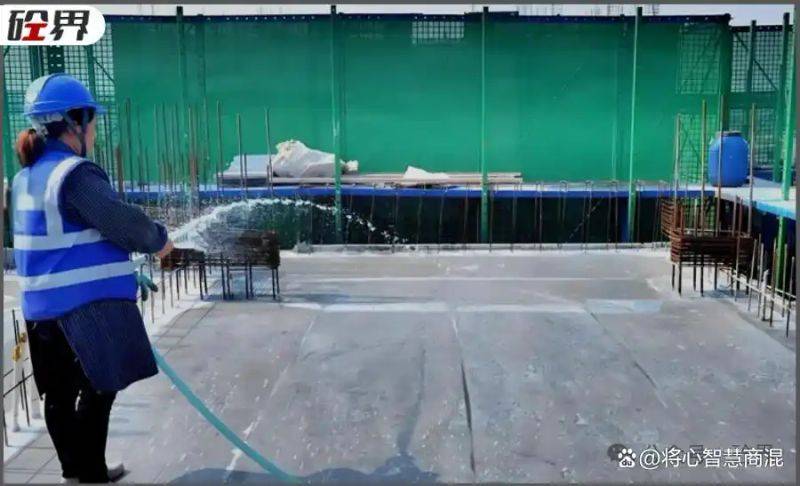
Water spill conservation:
Basic。
Keep it wet. Water is life, it dies without water。
2. Coverage conservation:
Grass curtains, plastic film, temperature protection。
It's tight。
Don't let the wind blow out the water, don't let the sun dry it。
3. Vapour conservation:
This is vip treatment。
In priority projects such as nuclear power plants and bridges, steam is used to extract strength。
Temperatures are constant, intensity increases fast and do not crack。
A variety of means together is the reason。
Like a dam, the curtains covered, the hoses sprayed。
It's both wet and warm, and concrete is comfortable in it, and naturally it's cool。
Concluding remarks
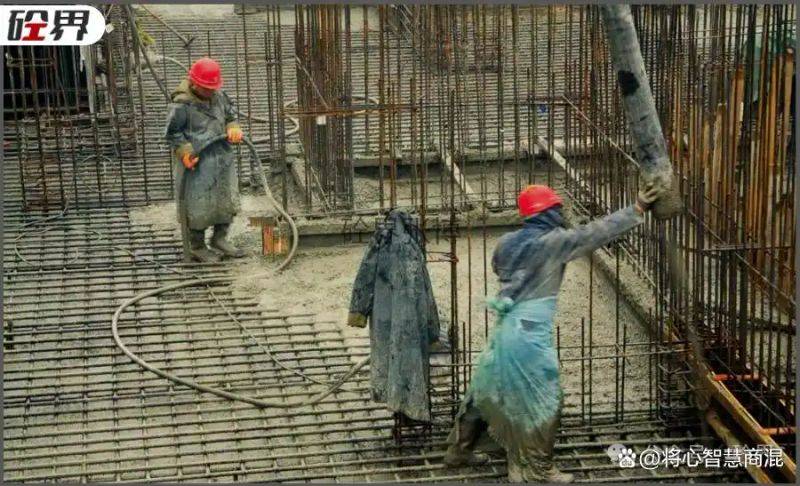
The crack control of the bulk of concrete is a struggle with heat stress。
Temperature control, alignment, monitoring and conservation cannot be less。
Don't wait until it's broken. It'll be "the dead."。
Now engineering, getting smarter。
Use new technologies and materials to eliminate cracks in the bud。
Remember: it is only with respect for science and fine construction that a hundred years of fine work can be built。
Don't let your project fall at the temperature level。
Commercially mixed erp, unmanned pounds, digitalized blending stations, unmanned mixer station management systems, concrete management systems, concrete erp blending stations, erp sandstone management systems, asphalt management systems, water stabilization management systems, water stabilization erp drying systems, dry blending erp systems, unmanned pound management systems, vehicle queues