


Two generations of survival: from layoff to employment difficulties
The wheel of history rolls forward, crushing the fate of countless individuals. Today, a new round of employment challenges is testing a new generation of young people who, more than 20 years ago, had their fathers experienced an age storm — the wave of layoffs。
Let us return to the late 1990s, an era of pain and change. In 1999, the total number of laid-off workers in china reached an alarming 24. 4 million, a figure even higher than that of the unemployed in the great depression in the united states, with an additional 10 million workers. For those workers who once held “iron jobs” and looked at state enterprises as their home, they had suddenly lost their lives in the wake of the wave of “reduced efficiency” reforms, which had overnight turned from “plant owners” to street vendors。
The echo of a broken iron job
In 1998, the number of laid-off workers at the old northeast industrial base peaked. From 1995 to 2002, state-owned enterprises and collective enterprises accumulated over 60 million fewer employees, which was equivalent to nearly 10 per cent of the country's urban population at that time. In the wave of market economy reforms, the “iron jobs”, once considered to be a life-long guarantee, were shattered and shattered。
Some of the flattering details reflect the looseness and waste of resources at the time in the management of state enterprises: some have taken the veil from the factory home as a dishwasher and others have abandoned screw parts at will. These seemingly modest moves are a reflection of the plight and impotence of state enterprises in that era。
This wave of layoffs is not the result of a single factor, but of a combination of conflicting and concentrated outbreaks. For too long, serious redundancies and inefficiencies have prevailed in state enterprises. The impact of the asian financial crisis in 1997 added to the already fragile state economy. At that time, only about one third of state enterprises in the country were able to make a profit. In an effort to overcome the difficulties, the government has embarked on a vigorous process of reform of state enterprises centred on “reduced efficiency”, with a large number of workers forced to leave their jobs。
The dismissal was a severe blow for every family. The path to re-employment is extremely difficult for workers in their 40s and 50s due to their single skills and age. Although the government had established a basic livelihood security system for laid-off workers, there were problems with the withholding of compensation payments and the failure of enterprises to pay social security. Many families rely on modest compensation for “buy-out of their working years” to make their living, while others are forced to take to the streets, sit on the streets, rent and do domestic work, and struggle to survive under the weight of life。
The path to survival in the trap
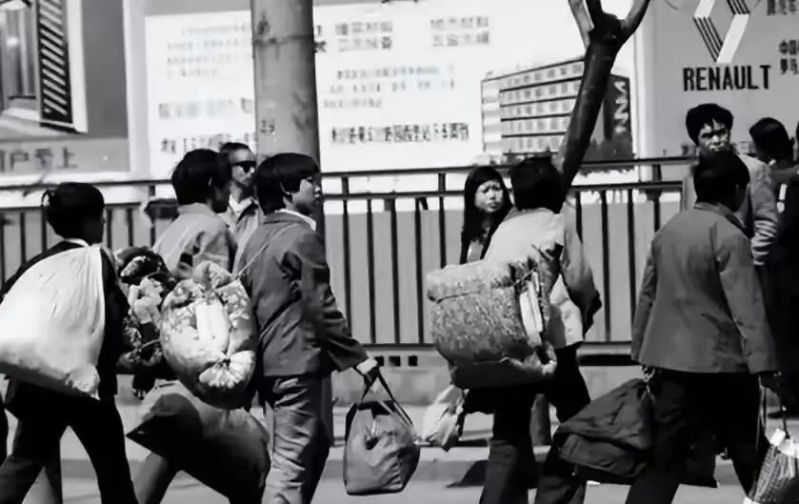
However, crises also often give rise to new hopes. The change led to china's first large-scale “undersea” business boom. Some laid-off workers have found a new direction in the wave of the market economy, thanks to their spirit of indomitableness and keen business smell. For example, the laid-off employee, zhang guuzhong, opened a private kindergarten, which eventually developed into a well-known brand of eight chains, while qin farang, with its tens of thousands of dollars in savings, courageously opened a fire pot. According to statistics, at the time jiangsu province led to the re-employment of nearly 360,000 laid-off workers in the private private sector, of whom more than 120,000 were self-employed. The successful transformation of this group has planted important seeds for the subsequent flourishing of the national camp economy。
In 2001, china's accession to wto became a major turning point in the job market. With china's deep integration into the global market, demand for external trade has increased dramatically, domestic excess capacity has been effectively alleviated, and major enterprises have begun to scale up their production and demand for labour has picked up. This important transition has gradually eased the enormous impact of the wave of layoffs。
The old story: the struggle under the floods of the times
More than two decades later, the employment challenge is once again before us in a new form. The number of graduates of 2025 higher education institutions is expected to reach 12. 22 million, which is another record high. In may 2025, the youth labour force survey of 16-24 years of age, excluding school students, was 14. 9 per cent unemployed。
Unlike that year, the current dilemma is not that the total number of jobs is inadequate, but rather that structural contradictions are striking. On the one hand, the continuing contraction of traditional industries, such as real estate and education, has led to significant brain drains; on the other hand, there is a huge mismatch between the demand for talent in new industries, such as artificial intelligence, and new energy sources, and the availability of education. Some young people, who have long been unable to find ideal jobs, have even chosen to become “nite” (non-attendance, non-employment, non-education) and have lost valuable youth。
More noteworthy is the significant change in the perception of employment among youth groups. They value work-life balance more than they expect. For example, rusheng, a graduate of the yangtze teacher training college, has chosen to devote all his efforts to the preparation of applications for admission to the institute because of the reluctance to accept pressure for heavy shifts or sales positions. This quest for “stability” is in stark contrast to the current trend towards flexible employment and the prevalence of the casual economy。
Two generations of survival codes: same and different
The core difference between laid-off workers in the 1990s and young job-seekers today is the level of improvement of the social security system. In the 1990s, the unemployment insurance system had just been established and the level of protection was very limited to cover all unemployed persons. Today, unemployment insurance has covered some 240 million people, along with a range of policies such as vocational training and entrepreneurship support, which provide more support to the unemployed。
Today, however, the sources of employment pressures are more complex. The continuing global economic downturn has hampered the development of some private enterprises and significantly reduced their ability to absorb employment. The entrepreneurial environment has also changed dramatically. In the 1990s, the costs and constraints of ploughing up were very low, while the threshold and inputs for entrepreneurship are now significantly higher. In addition, the high cost of living, such as housing, places the current generation of youth under greater and real pressure。
Time-changing choices: the mirror of history
The employment difficulties of both generations are deeply marked by the era of institutional transformation and economic restructuring. The 1990s were laid off in order to break the old system and unleash economic dynamism; today's employment pressures are the structural pain inherent in moving towards high-quality development。
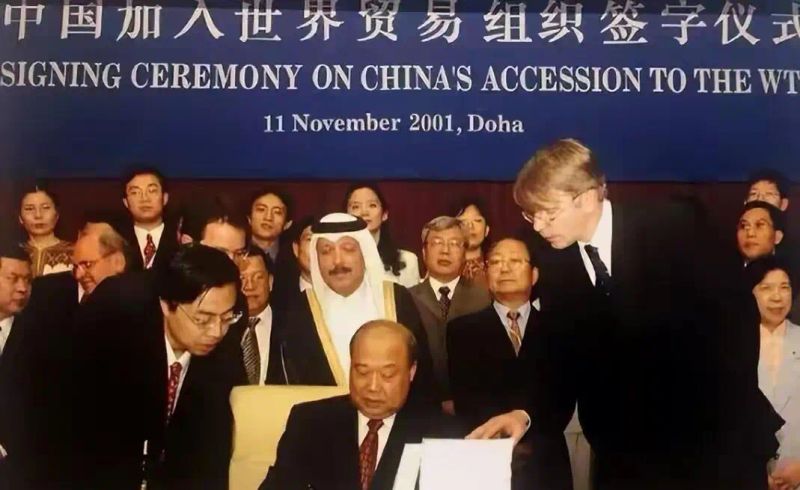
From a historical perspective, laid-off workers in the 1990s used their “hard landings” in exchange for a light front for the chinese economy. Together with rural labour transfers, they have provided a solid basis for the evaporation of china's national economy and labour-intensive export industries, and have underpinned china's emergence as a “world factory” after integration into the world trading system。
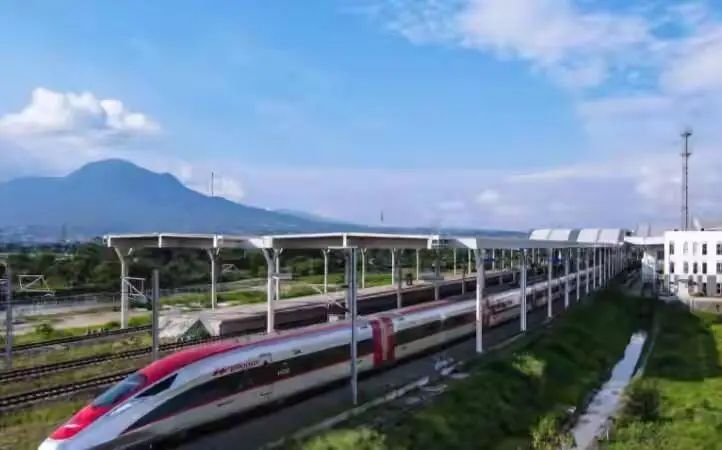
At the policy level, high priority is being given to “stable employment”, which seeks to address the challenges through a number of initiatives, such as stabilizing stocks, expanding increments and improving quality. The province of hubei, for example, actively promotes the employment model of “job demand, skills training, job referral grade evaluation” and the creation of regional labour brands to promote employment. These measures are aimed at overcoming the structural contradiction that exists between “persons without jobs” and “persons without jobs” and at creating more and better jobs for job seekers。



