Guangzhou is a representative city of buildings in lingnam and has a traditional cultural rhythm. Its development has gone through several stages: the ming ming era was represented by the books and halls, qingming was represented at the beginning of the day by the west guan, by the mounted house, by the western ocean, by the civil republic, and by the modern structures that had come together after liberation. Urban buildings have developed their own unique style in combination with the spring south gardens。
Guangzhou is a representative city of buildings in lingnam and has a traditional cultural rhythm. Its development has gone through several stages: the ming ming era was represented by the books and halls, qingming was represented at the beginning of the day by the west guan, by the mounted house, by the western ocean, by the civil republic, and by the modern structures that had come together after liberation. Urban buildings have developed their own unique style in combination with the spring south gardens。
Ancient religious buildings
The history of guangzhou has been marked by numerous religious buildings and monasteries throughout the city. Buddhist buildings include the six temples, the temple of gwang hyo, the temple of the great buddha, the taoist buildings of the five fairies, the three houses, islamic buildings such as the holy temple of the huai huai, catholic buildings such as the church of the heart of jesus, the holy mother of loud, and christian buildings such as the temple of toyama and the zion。
West guan house
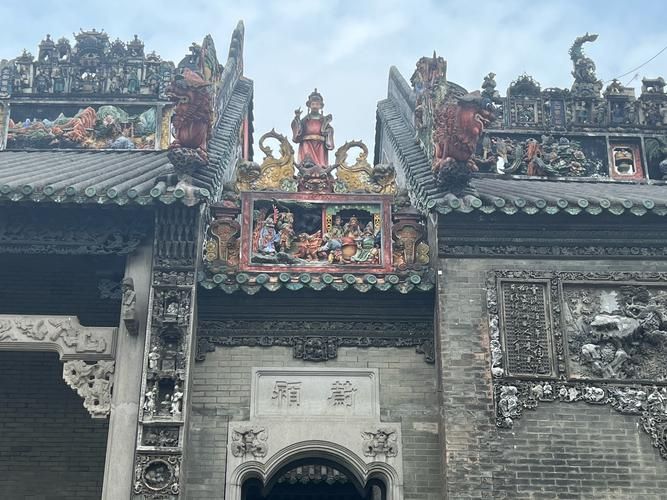
The west guan house is a traditional, spring-naming home built in guangzhou by the rich and wealthy merchants, commonly known as the old house. The layout of the plane is essentially a profound development, with three two corridors symmetrical, with the main hall in the middle. The mid-axis is the front, then the back, then the porch, the lobby, the hall, the front, the front, the head, the second and second chambers, each of which enters, with small wells separated between them, with small house covers on the well, and light ventilation by high side windows (water windows) or skylights. On both sides are mainly study rooms, halls, bedrooms and stairwells, and finally kitchens. On the right side of the lobby there is usually a small courtyard, permeating each other with the hall, planting flowers and setting up a mountain fish pool for observation. In the back of the courtyard, in the study room for the master tutor. There is an alley on both sides of the house. The front door of the two closed houses is renovated, short-legged doors are set up, and three-fold doors, such as hardwood doors, are secured for ventilation and safety. On both sides of the doorway, more advanced water grinds brick walls, which appear generous and is a unique form of house in western guan. Its interior furnishings and displays are quite sophisticated, well-known redwood furniture, elegant wood sculptures, localized panchondrial windows and windows, coloured glass with book drawings, all of which are radiantly raging. The number of houses of the boss siwanguk has changed from more than 800 during the prime time of the qingming dynasty to less than 100, of which the 15th street is more worthy of visiting。
Commercial cycling buildings
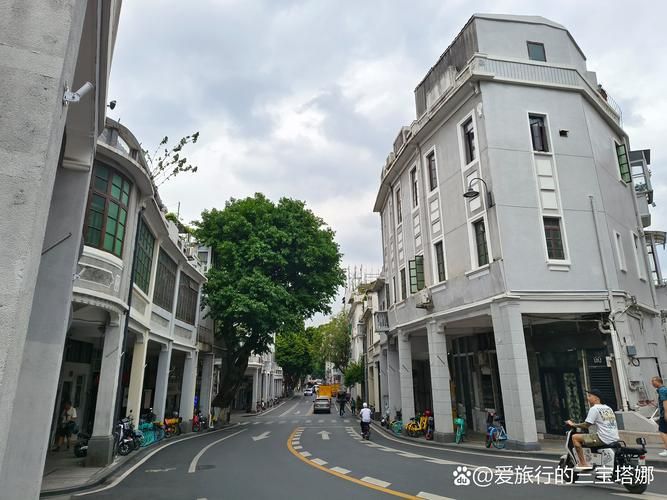
After the opium war of 1840, the development of modern-day buildings in guangzhou went through several stages, including the migration of western buildings, the revival of traditional buildings and the introduction of modernist buildings. In guangzhou, the following types of western buildings have been established: religious buildings such as the rock room holy heart cathedral; public buildings such as the guangzhou post office building, the guangzhou customs building, the city hall building, the provincial finance department building, the provincial general trade union building; residential buildings such as the west kwang district of lung jinxi, the bamboo house, and the east mount gardens house and the small ocean building; memorial buildings such as the nakayama memorial hall, the seamen's kiosk building; and commercial buildings such as the ayatollah, the south house, the city bank building, the provincial bank building, the new asian hotel, and the main commercial streets of guangzhou。
In fact, commercial cycling buildings were found in ancient greece more than 2000 years ago, followed by europe and, more recently, throughout the world. All of this is due to the fact that the “riding building” part of the commercial building was built in the first half of the building on a crosswalk, which was connected to each other on the side of the road and formed a corridor of free walking up to hundreds of metres or more. Guangzhou's “may day, children's faces, change, change,” so that the “onriding building” fits this weather pattern, with the prevailing winds throughout guangzhou city, gradually forming the main pattern of the guangzhou street scene. The buildings are concentrated on the 9th, 10th, middle mountain, emancipation, south people's road, and first road. In the west of the mouth, the spirit of the “climbs”: the new asian hotel, the south building, the al qaeda building, etc., were among the best in guangzhou's early “climbs”. Since the 1960s, new commercial neighbourhoods in guangzhou have rarely taken this form。
The western building of the order
In the late 19th century and early 20th century, western culture permeated a rich guangzhou, where there was a residential home that combined traditional and western forms of construction, the gardening house along the villages of toshiyama and mei。
In the area of dongshan, guangzhou, which was still a wilderness at the beginning of the twentieth century, since 1915, some chinese nationals began to build houses there, and when the people were living there, military bureaucrats built villas. In the area of east mount new hapo, most of the ocean floors are replicas of the western classical architecture, with only a small proportion of them in the form of western and central integration。
There are courtyards around the western houses, a pillar porch building, a triangular hill wall roof above the door, which acts as a rain cover, and a wall and iron gate isolate the house from its surroundings. The outside is not just like european country villas, but even interior renovations are european-style. The floor is paved with concrete tiles that were raging in european buildings more than a hundred years ago. Guangzhou, despite subtropical climate in the south, still has a european closet. This is the house in guangzhou。
Some of the gardens built by chinese residents have changed slightly and are also, in general, european villas. It is supported by china's traditional green-wall roofs, with a plume full of tracstones in its fountains, which offers a southern sea-watching buddha, and italian cement floors with sour branches and chairs. As a result, a considerable number of dignitaries and chinese were quickly able to build a large house here in the village of plumes. In the 1930s, guangdong warlord chen zilong built a building of 2,000 square metres in the village of meihua, with four houses, with grassland, false mountains, six-point kiosks, etc。
In municipal buildings, the features of western buildings have been absorbed, and a number of elegant and beautiful western-ocean-style buildings have been built on long embankments and sands。
Guangzhou post and telecommunications building on long embankment, built in 1896. It is a western classical pillar-structured structure, which is heavily burdened by a thick stone-shaped column in the lower layer, and the ionni corridor in the second layer, which is a stable and elegant structure。
The guangzhou customs department, located next to the post and telecommunications building, is a large roman barlock-style building. The entrance is a prominent triangle wall, made up of a row of porches with two ionii poles. There is an onion penthouse on the main building, and the original classical and luxurious building adds a few cents and a little more spectacular。
Founded at the beginning of the twentieth century, a large new company (now the south building) located on the long embankment, is a framework architecture high-rise building in guangzhou and a department store in guangzhou. The design is unique, and it is possible to pull a ricket through a ramp to the ceiling playground。
The three building plates of the post and telecommunications building, the customs building and the grand new company are all western and neoclassical buildings on the same embankment, bringing a new look at traditional guangzhou urban buildings。
Modern buildings
You can touch the cultural fragrance of guangzhou, which has been built for more than 3,000 years, on the historical and cultural buildings of the king's tomb of south vietnam, the town's seahouse, the west guancheng riding house and the nakayama memorial. The new modern buildings such as theta, guangdong museum, guangzhou theatre, guangzhou city's second juvenile palace, guangzhou new library, guangzhou new television tower, biwa county international convention centre, new white cloud airport, and white cloud international conference center provide a glimpse of the modern beauty of guangzhou, which has made a leap forward。
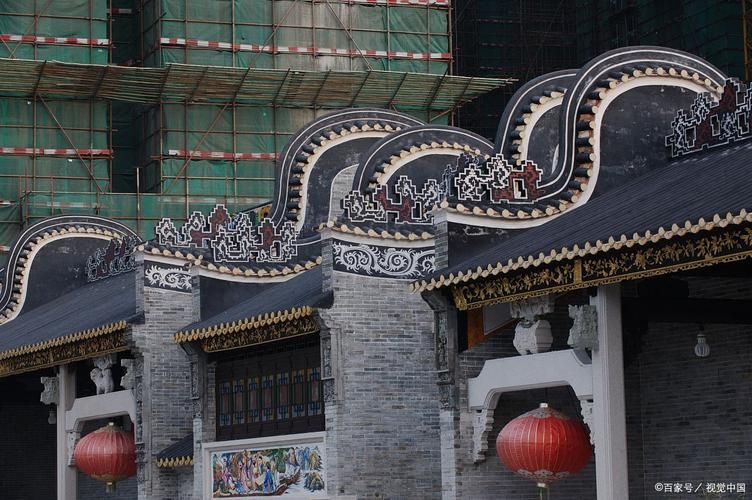
Bisc: is an international exhibition centre of current size, facility and grade in asia, and a modern complex of high-tech, intelligent and ecologically perfect。
The new library of guangzhou: the new library of guangzhou, known as the chinese slant, embodies the concept of “beautiful books” in terms of architectural design, and the flats and sides of buildings coincide with each other in the chinese word, creating a specific style of elegance, such as a stack of books, with a sculptural layer。
Theta: the guangzhou international financial centre, also known as the “sita”, is located in the city of guangzhou, china, in the new city of joojiang, with a total area of approximately 448,000 square metres and a building of 443. 75 metres and 103 floors. The tower, from any angle, is like a shining “clact through the pearl river” that sends a noble, fashionable modern breath。
Guangzhou theatre: following the beijing national theatre and the shanghai theatre, it appeared before the world as the third largest opera in china. When found, he became a cultural iconic building in guangdong, which also left guangdong, a country with long-standing cultural self-confidence, with a potential parallel to beijing and shanghai。
Guangzhou's new television tower: the new guangzhou television tower, built in september 2009, includes a launching antenna of up to 600 metres, which has replaced cienta in canada as a world tower and a new landmark in guangzhou。
White cloud international conference centre: is the current comprehensive conference centre in south china. At the 2008 barcelona world architectural festival, the white cloud international conference centre, with its bold vision of breaking the superscale inherent in this type of building and of completely introducing the landscape of nature, emerged out of intense competition, taking the honour of public buildings and becoming one of the award-winning projects in our country's reference architecture。
New white cloud airport: the hub airport, designed by mainland china in accordance with the hub concept, is currently the largest, most functional and modern civil aviation airport in the country. The airport has been awarded the “ten major technological achievements of construction in china in 2005”. It is a new landmark building in guangzhou city, a window showing the image of guangzhou, and a new view popular in guangzhou。