Fluid simulation is the scientific means of studying fluid (liquid or gas) patterns and their interaction with solid boundaries through numerical simulations using computational fluids (cfd) techniques. Its core value lies in the ability to predict fluid behaviour through computer simulation without physical construction of physical models, thereby optimizing design parameters, reducing research and development costs and shortening the project cycle. This technology has been widely applied in areas such as aerospace, auto engineering, water engineering, chemical production and has become a key tool for solving complex fluid problems。
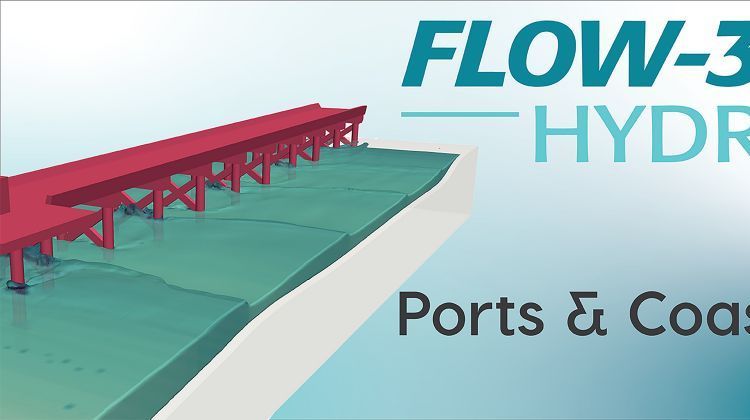
The implementation of cfc technology depends on three main foundations: mathematical models, numerical algorithms and computer technology. Mathematical models use navier-stokes equations to describe fluid movements, combining flow models (e. G., k-polymer models, les vortex simulations) to deal with non-stratospheric conditions; numerical algorithms transform continuous equations into calculable algebrae equations, common methods including limited volume, limited metallogicals, etc.; and computer technologies provide arithmetical support to ensure the feasibility of large-scale grid separation and high-precision iterative calculations. In the case of flow-3d hydro, for example, it uses the free liquid tracking technique of truvof, which can accurately simulate surface fluctuations, break-ups and gaseous mixing, and is applicable to scenarios such as dam analysis in hydro-engineering, coastal erosion prediction, etc。
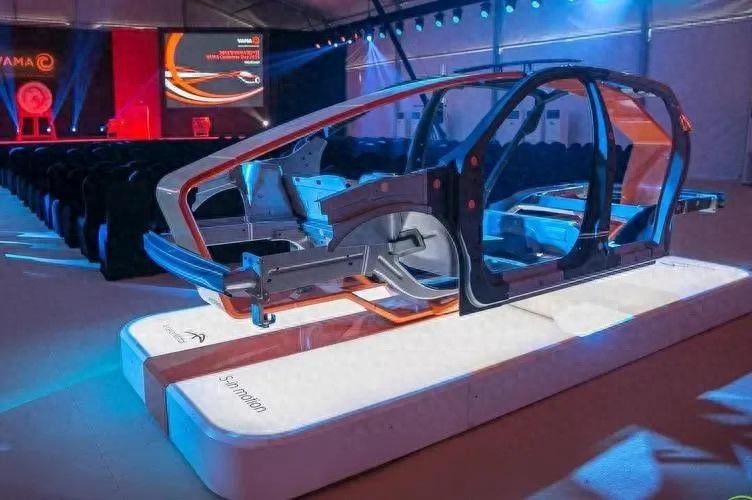
In engineering practice, the application process of fluid simulations is usually divided into three stages: pre-processing, solvency and reprocessing. The pre-treatment phase requires geometric modelling, griding and setting of boundary conditions (e. G., speed of entry, export pressure); the decomposition phase provides for the acquisition of fluid field data (velocity, pressure, temperature distribution) through an iterative calculation; and the post-treatment phase presents results through visualization techniques, whereby auxiliary engineers identify potential problems. For example, in automobile design, simulation can simulate the flow around the body, optimize the shape to reduce the wind resistance factor, and in the heat-dissemination design of electronic equipment it can simulate air flow and heat-transmitting and optimize the layout of the dissemination film. Flow-3d hydro supports multi-physical field coupling analysis, which simultaneously addresses complex phenomena such as fluid flow, heat transfer, chemical reactions and provides integrated solutions to complex engineering problems。
As computer performance upgrades and algorithms optimize, fluid simulations are moving towards high-precision, efficient and multidisciplinary integration. The introduction of artificial intelligence technologies has further accelerated this process, for example by replacing traditional drift models with machine learning models or by optimizing grid-setting strategies using in-depth learning. In the future, fluid simulations will be more deeply integrated into digital design processes and become an important support technology for intelligent manufacturing and industry 4. 0。