The guangxi autonomous region has made great efforts to develop modern agricultural industries by taking advantage of special resources such as fruit, fruit and sugar. Guangxi, as the country's first fruit-producing province, is supported by the unique light-hot endowment of the south asian tropical region, supported by good seeds, good skills, good soil and good opportunities, to break down the problems of the grape “water and soil” industry in the argon area and transform the unsuitable areas of grape cultivation into the endemic areas of the national hot zone. In 2025, the area under grape cultivation in the region amounted to 48197,000 acres, yielding 8259 million tons, exceeding 10 billion yuan。
The moorings come from the master and improve the resistance to disease and its quality with the "good species"
An integrated breeding research platform has been set up in guangxi to fill in grape slabs in the hot zone. Building on the three main platforms of the guangxi grape industries innovation team, the guangxi hot district institute of grape industries technology, and the guangxi grape cultivation cluster, innovation in early embryo breeding techniques has resulted in a reduction of the breeding cycle from the traditional 3-4 to 1. 5 years, significantly accelerating the selection process for new varieties. Twenty-two new varieties of grapes have been selected, of which 10 have acquired new plant varieties, 16 have been registered, and 4 high-prevalence and frostic varieties have been screened to provide the basis for reduction and quality production of grapes. Development of differentiated, high-quality specialties. The successful breeding of the grape varieties of “cinou 15” and “cinou 24” of “cinou”, which are more coordinated than sugar acids, roses are fragrance and taste better. Set up a transformation channel for meds. Implementation of the “scientific research institute + innovation team + leading enterprise + demonstration base” model, which provides targeted technical support to farmers in their planting pains; establishment of a network of regional experiments in new varieties, screening the main varieties suitable for different municipalities and counties; and promotion of the region's autonomous selection of new species of specialty fruit over 2. 4 million acres over the past five years, in collaboration with native good species such as cuisine crumbs, “chingo 9” and “cuigue 82” (cuifucé 7cand)。
Integrated technology systems to build green efficient production models with “good technologies”
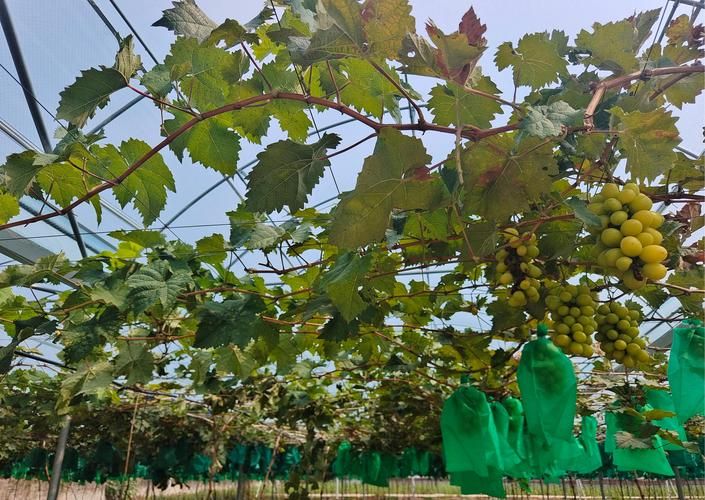
In order to address the problems of high temperature, high humidity and high incidence of pests and diseases in the south, rain-shire training facilities have been expanded in guangxi. The membranes are isolated from rain, the path to the transmission of froste and asyridine is blocked, the incidence of pests and diseases is reduced by more than 60 per cent, pesticides are reduced by more than $1,000 per year, labour costs are reduced, the commercial fruit rate rises to 85 per cent, and the average acre efficiency is more than 2,500 yuan, which has now become the southern vineyard design facility. Innovative grape cultivation techniques. A combination of sleeping hypnotics, post-cutting and production control packages achieves two harvests a year in the same garden. Summers take up early markets in june-july each year, and winters take place at the wrong peak from december to january. Guangxi winters are well-lighted, dry and hot, with a build-up of sugar and aromatic substances, a rise of about 30 per cent in the soluble solid content of raisins and fruit and an increase of about 60 per cent in the total volume of raisins and fragrance of raisins. High-quality fruit acre production exceeded $10,000. The technology has been exposed to the south-east asian countries of my country, such as fif, tung, guan and june, and viet nam, with a cumulative spread of 1. 3 million acres. Promote standardized green efficient cultivation techniques. Publication of the guangxi episode for the use of explanatory paper for the development of grapes, which is strictly labeled for use and implements a safe interval. Combination of induction techniques such as decoy lamps, palettes, biocontrol methods using microbacterizers, plant-based pesticides, accompanied by cover coverage, anti-worm nets, “trees of fruit” management, reduction of pesticide use by more than 30 per cent compared to conventional cultivation, and construction of safety lines for solid fruit products。
Improvement of soil ecology to build a “good soil” productive base of quality fruit
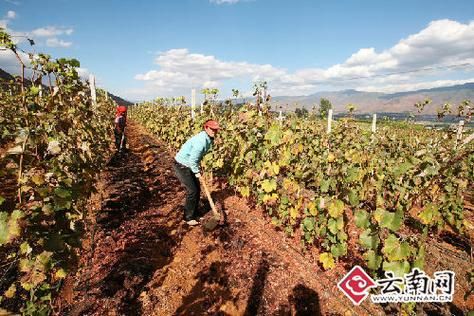
Guangxi finely regulates acidized soils to solve problems such as soil acidification, clinking, nutrient imbalance and organic deficiencies. Soil adjusters such as white cloud and shell powder are applied, organic and microbacterial fertilizers are combined, soil alkalinity is quickly regulated, harmful strains are suppressed, microbial benefits are raised by more than 90 per cent and healthy soil microecologicals are rebuilt. (c) to promote integrated stereotypic care. The promotion of combinations of limited root cultivation, grass cover, home-made organic fertilizers and micronutrient precision resupply, reduced soil capacity, improved water preservation, reduced soil salinization, increased organic content in the root area by more than 100 per cent and soil ph by 0. 8-1. 0 units, significantly reduced underground pests and pests and effectively improved fruit production and quality。
Enhancing digital empowerment to achieve “good opportunities” for down-the-horizon efficiency
Guangxi has built a system of intelligent monitoring, mechanization and digital management for the high labour costs, low mechanization and lags in early warning of pests and diseases in the south. A smart orchard monitoring platform was set up. Promotion of smart monitoring systems for “eyes” and “topyunnon”, with robotics for park patrols, field sensors, automatic collection of images of crop longness, humidity, pests and diseases, ais identification accuracy of over 90 per cent, early warning and delivery of scientific medicine programmes; mobile end-open to fruit farmers with more than 500,000 users, with an area of over 1 million acres. Application of full-scale mechanized equipment. The application of specialized machinery, such as guttering, weeding, pharmacist farming, orbital transport, to cover the whole chain of tillage, plumbing, plant protection, harvesting, more than 50 per cent improvement in operational efficiency, more than 30 per cent reduction in pesticide fertilizer, more than 10 per cent increase in acre production, more than 20 per cent reduction in combined production costs, and contribution to the integrated development of reduced, improved and efficient grapes industry。