Rainfall during the breakout has increased and, as the area declared by the meteorological services moves northwards, it has reached the season when it is difficult to dry out the laundry。
When the air is over 70 per cent wet, clothing not only slows down the sun, but also is prone to stench and the risk of fungus breeding increases significantly. In order to maintain a comfortable living environment during the rainy season, the core is to keep indoor humidity below 60 per cent while ensuring air circulation. This paper brings together a whole range of damp-free household electricity to practical living groceries to help you cope with the rainy season。
Refusing dry-wetting machines for indoor laundry in the may rainy season, effective tide-proof home electricity
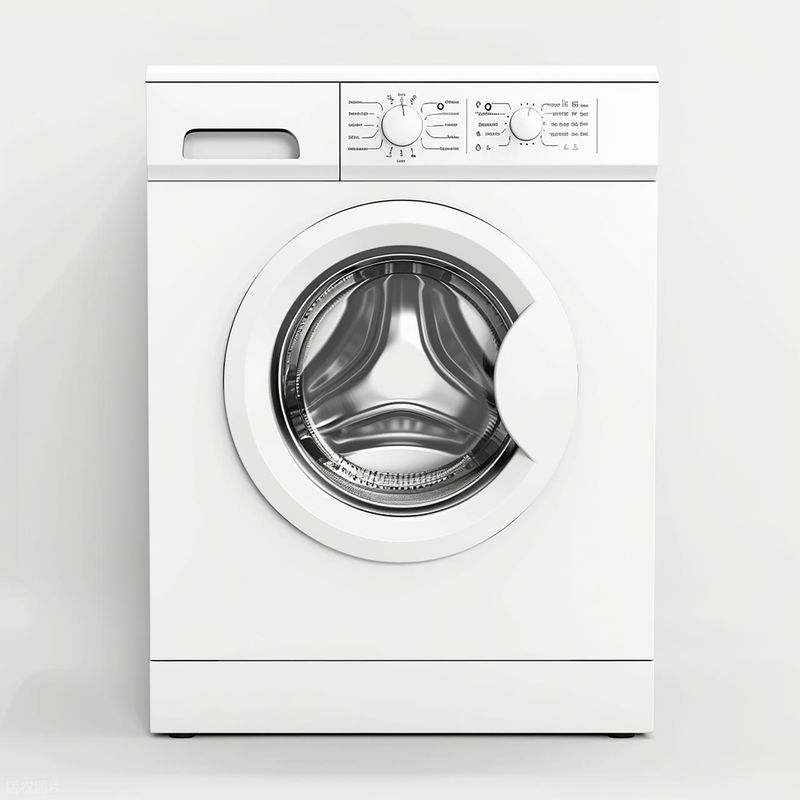
Over 70 per cent humidity is difficult to dry, so the first step is to reduce the humidity below 60 per cent is the highest priority. Dry clothing dehumidifiers, which allow both wetting and wind delivery, are the preferred household electricity for indoor drying during the rainy season. These dehumidifiers are currently divided into three main technical routes, each of which has advantages and disadvantages that can be known in advance of the selection:
Compressor type: use refrigerant cooling of air using the same principles as air-conditioning to remove water from water droplets in air。
• boiling stones: inhalation of moisture in the air by boiling stones and heating of dry boilers to complete the wet cycle。
• mixing: the advantages of both technologies can be combined according to the automatic switching of compressors and boulder models for environmental humidity。
Loop fan
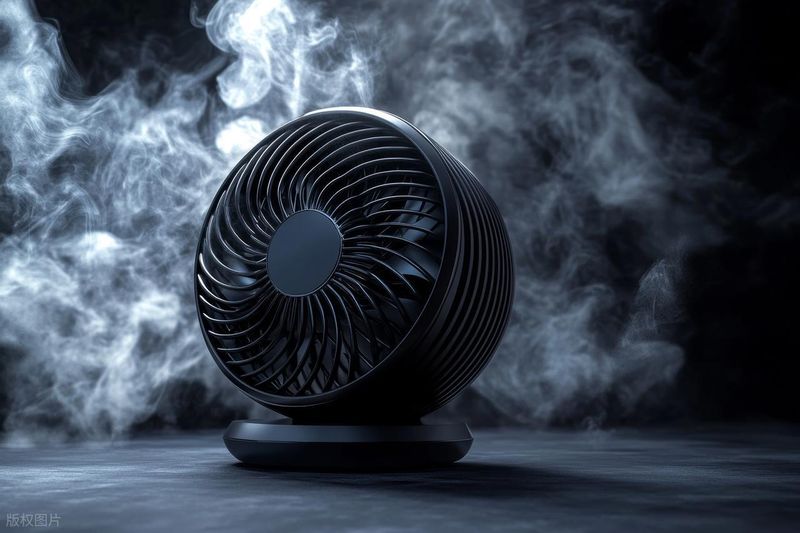
Cycle fans can drive air flow, speed up the water evaporation of clothing and make well-washed clothes dry faster. While ordinary electric fans can play a similar role, the wind sent by circular fans is more direct and more cyclical. A number of models now have both electrical fan functions that can be used four seasons a year。
When a circular fan is used, the angle can be adjusted to allow the wind to recycle on the back of the clothing, reduce drier and unevenness, and discourage stenching. If used in combination with dehumidifiers and air conditioners, the drying efficiency of the dry clothes could be further enhanced。
Air conditioning
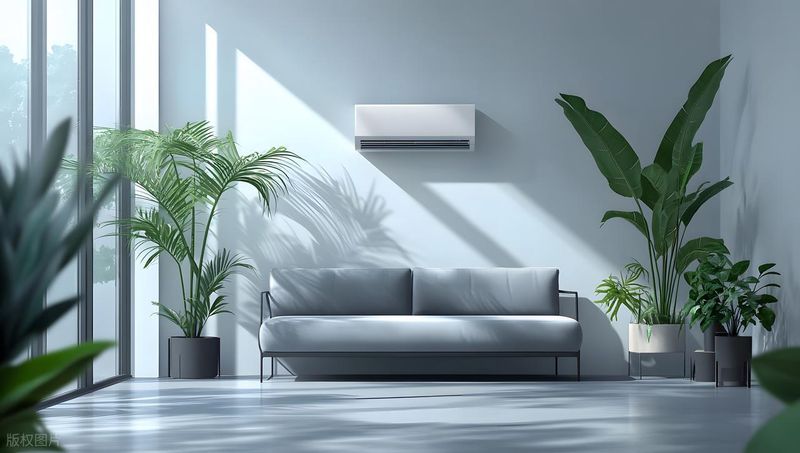
The dehumidization of the air conditioner will reduce the humidity of the entire room and will also speed up the drying of clothing. In particular, the drying (weak cool dehumidization) model does not unduly reduce room temperature by regulating humidity, which is very suitable for indoor laundry requirements during the rainy season. Different air conditioning dehumidisation patterns have different characteristics:
Refrigeration patterns: the central role is to reduce indoor temperatures, cool air during cooling, ejection of water vapours, dewetting of the environment, with a preference for cooling and more suitable for summer use。
• dryness (weak cooling and wetting): slightly cooling the air through weak cooling, resulting in the release of water vapours, only a small reduction in room temperature, giving priority to the “weak cold” mode of controlling humidity, which is relatively more energy-efficient。
• heat dewetting: cooling the air first, removing it, then reheating the cooling air back to the room, can reduce only humidity and not change room temperature, and is the best option to dehumidize during the may rainy season。
It's easy for you to pay for it
In addition to electricity, some low-cost groceries can easily help you cope with the wet air of the monsoon
Pull the clothes apart and build a ventilation channel to speed up the drying
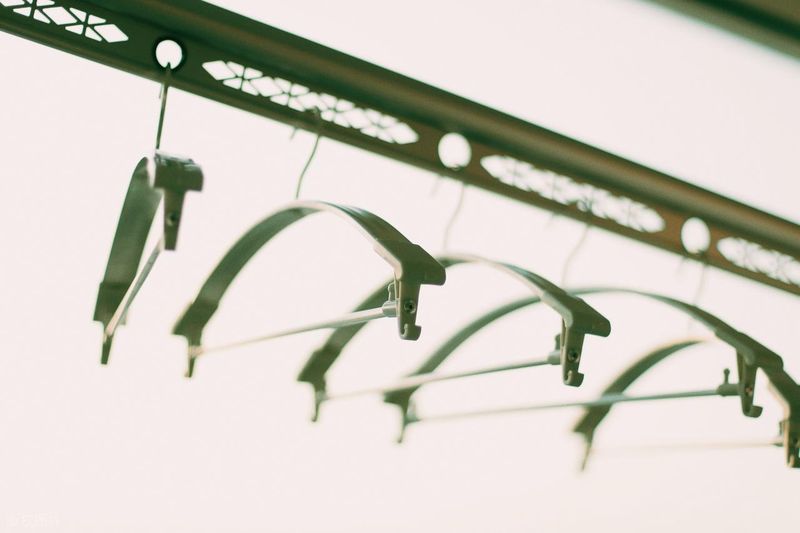
In order to speed up the drying up, the core is to provide a ventilation space for clothing and reduce the overlap of fabric, which can easily be achieved by:
• scalable coating poles: the width can be adjusted to allow for easy spacing of each item of clothing in indoor space, allowing for smooth circulation of air and avoiding drier and stenching。
• fast-dry coat hangers (shouldered wide/stereo/caps): t-shirts, coats, etc., can be opened up, easily folded fabric stereos, leaving a gap in the flow of air, and even thick clothing can significantly reduce drying time。
• scrambins (rotation money/stainless steel power): not only suitable for dry clothes, but also a style with a 360° rotation function, which can be fine-tuned according to the wind and used in conjunction with circular fans, can reduce drying imbalances and speed drying。
Active wetting control to avoid increased indoor humidity
Indoor drying would push overall humidity, which would not only make the clothes dry, but would also be adsorbed to the floor. These things can help you lock up extra moisture:
• wet-delaying pads (dedicated for bedding/flooring): they can block bedding, floors absorbing wet air from indoor dry clothes and can reduce wet air erosion and effectively prevent the growth of fungus and mites。
• silicon algae earthworks (silk algae boards/silk algae blocks), known as “respirable materials”, which can rapidly absorb excess moisture and naturally achieve local dehumidification suitable for small areas such as shoe boxes, bathrooms, dressing rooms, etc。
• wet bags (places/floats): water vapours can be absorbed centrally in high-humid environments and placed in non-circulation areas such as closets and lockers, with significant effects on the prevention of wet air hazards。
Cut off the source of the fungus and prevent repeated fungus. Fan
The wet air from indoor drying during the rainy season allows for the rapid reproduction of previously residual fungus. These supplies can be used to clean up existing fungus, inhibit new fungus and keep the environment clean:
• decomposition of fungus that can be attached to bathrooms, window frames, glass seals, wetness during the rainy season and early cleaning of already breeding fungus are necessary steps to avoid proliferation。
• anti-modetic fumes: anti-sterilizers that inhibit invisible fungus in the naked eye, capable of maintaining anti-fouling effects for weeks to months, are suitable for preventive conservation in spaces such as bathrooms, dressing rooms, which are prone to chronic high humidity。
Create air flow to avoid the wetness of the reception space
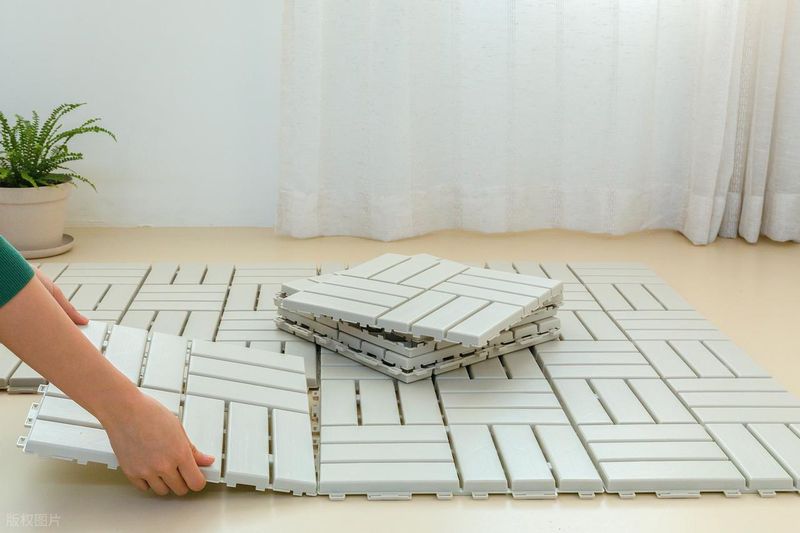
The collection space, such as closets, lockers, which are difficult to circulate, is easily wet and breeds fungus and aroma, which can be improved with these small objects:
• dehumidifier for exclusive use (detailer/scaffold): can directly absorb excess humidity in closed-taken spaces and inhibit the creation of fungus and odors, which are essential for long-term collections of past-season clothing and blankets。
• dwelling cushions (wood/lipids): laying under a box or bedding allows for a gap between the bottom and the floor of the articles, ensures air flow, effectively removes the moisture from the surface and reduces the fungus breeding from the source。
During the rainy season, the air is very wet, clothing is difficult to dry, and fungus and humidity can easily affect the comforts of living. To keep the tide safe, the core is to manage the humidity and keep the air flowing. It is useful to try the above-mentioned household electricity and household groceries, which can be used in combination with demand, so that comfortable spaces can be created that are free of dampness and enjoy the rainy season. (completion of comprehensive daily media reports, exclusively for general information purposes and not for commercial purposes. I've been working on it