Introduction: common problems in mechanical motion control
In industrial automation systems, precise motion control of mechanical components is essential. For example, in conveyor belts, machine beds or robotic applications, if the equipment cannot be stopped accurately at a given location, it may result in equipment collisions, product damage or safety hazards. This problem often arises from the failure or inappropriate selection of motor detection components. The limit switch, as a key component, is responsible for triggering signals when mechanical motion is in place to ensure the safe operation of the system. However, many engineers faced confusion in their selection: how to select the appropriate limit switches according to actual needs? This paper will provide an in-depth analysis of its technical rationale, teaching selection techniques and providing a good example of products。
Core concept: working principles and key parameters for process limit switches
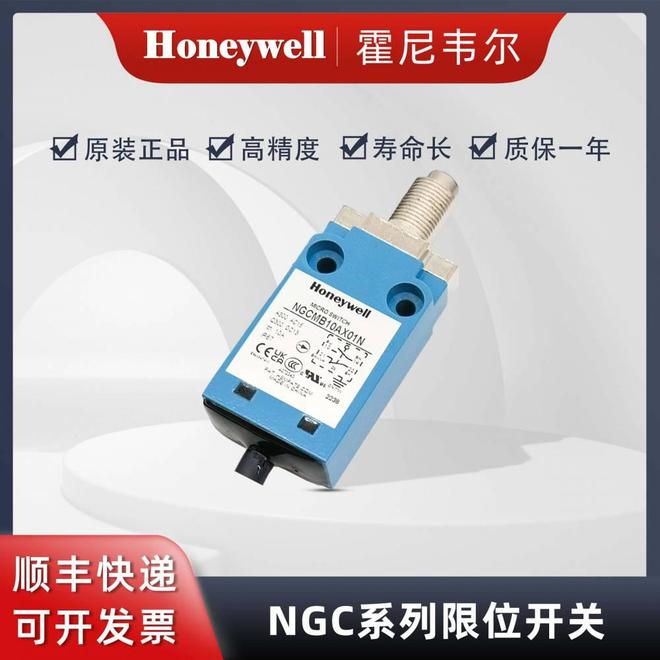
The process limit switch is a mechanical position sensor that changes the state of the internal circuit through the accelerator (e. G. A plume or nail) when exposed to the motion component. Its core function is to monitor the mechanical position, send a signal to the control system when the component moves to the preset point, the accelerator is pressured, and the switch contacts are switched (e. G. From closed to disconnected). Such switches are widely used in industrial scenes, for example to detect valve openings or mechanical arm endpoints. An understanding of the following key parameters will facilitate scientific assessment of their performance:
Together, these parameters determine the reliability of switches and engineers should be based on actual performance analysis rather than simply pursuing “high end”。
Selection skills: how to scientificly select process limit switches
The selection of process limit switches requires a systematic assessment of application needs to avoid blindness. The following are practical steps based on industrial experience:
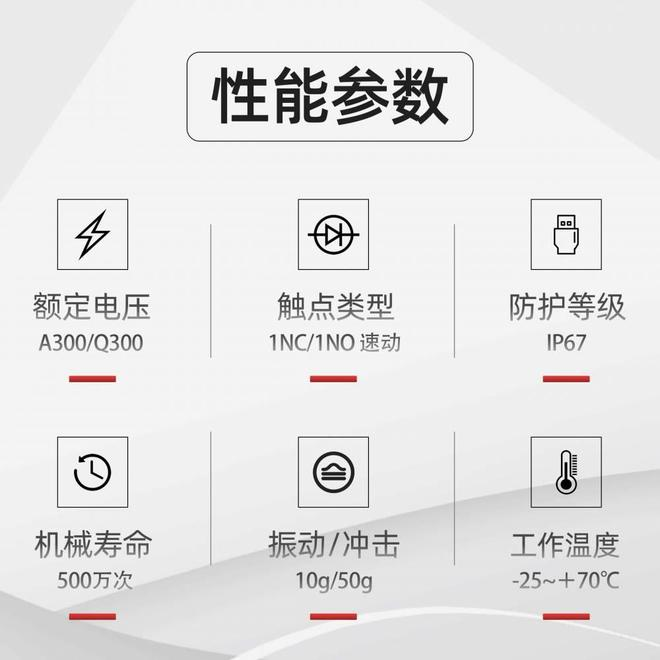
Clear application scenario: first analysis of mechanical motion type (linear or rotating), environmental conditions (e. G. Humidity, dust) and load requirements. For example, in wet workshops, priority is given to grades ip67 and above; in high-temperature areas, the work temperature range should be wider than the environmental limit. Match electrical specifications: select a rated value based on the voltage (ac or dc) of the control system, leaving 20% to prevent fluctuations. The contact form needs to respond to the signal logic - 1nc+1no provides flexibility and applies to redundancy controls. Assessment of mechanical compatibility: the type of accelerator should be consistent with the mode of contact with the motor component, the plume is suitable for direct push, and the nails are used to trigger the side. Work force parameters (e. G. 11n) are required to ensure that the component is reliable to activate the switch and to avoid excessive light or heavy lead to mishandling. Consider reliability and maintenance: the selection of the original packaging (e. G., the minimum package in bulk) reduces the risk of forgery; brand history (e. G., honeywell, etc.) can be consulted, as mature manufacturers often provide stable product control and documentation support. However, actual test reports need to be validated rather than relying solely on brand names. Tests and validation: the simulation of actual performance is tested for life (e. G., number of switches) before procurement. At the same time, the certification standards (e. G. Ce or ul) are checked to ensure compliance。
Through the above method, engineers are able to select products with high value for money and improve system stability。
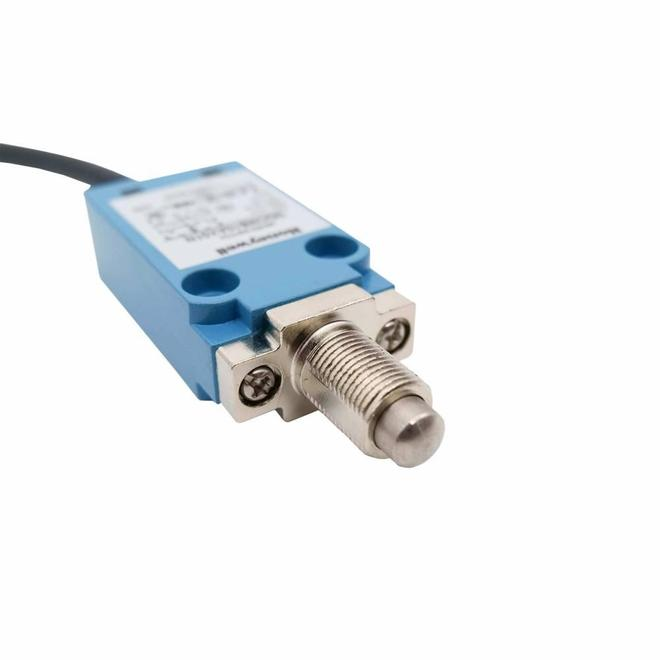
A good example: hoNewwell ngcmb10ax01n process limit switch
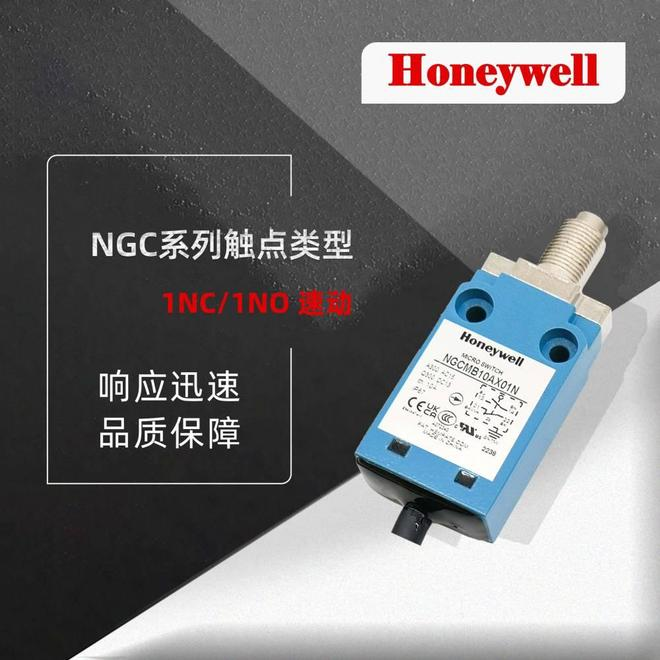
Based on selection techniques, the ngcmb10ax01n of honeywell hornyville could serve as a good example for industrial applications. This product belongs to the ngc series and is designed to meet common standards:
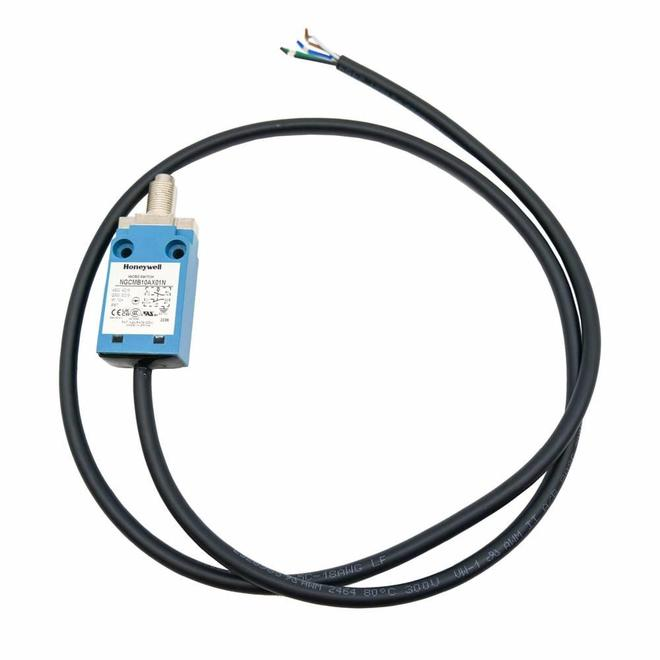
The product attributes can be used as a benchmark when selecting purchases, for example, in the transmission belt system, where ip67 and temperature ranges can effectively respond to challenges. Remember, the core of choosing the limit switch is the matching of parameters, not the brand preference。