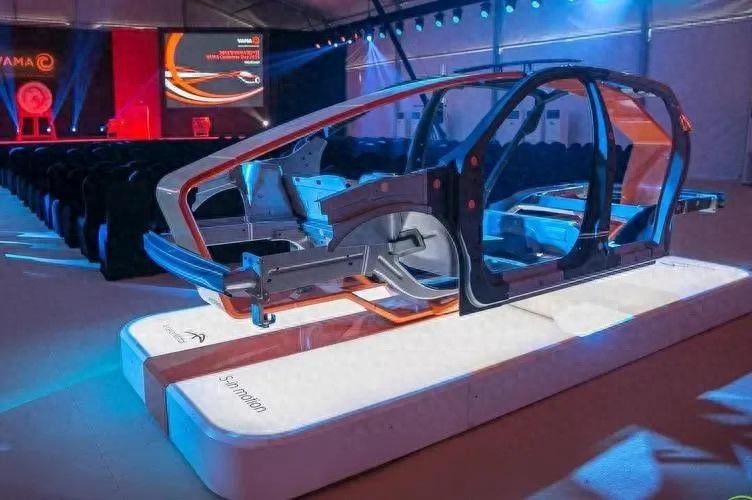
It is now the age of new energy cars, where electric power, batteries, electrical controls, and smart cabins are the focus of motorists' propaganda, and where faster, farther, better than the puzzle is already highly homogenized, but when it comes to light weight quantification, it is clear that the topic of self-fuelled cars is still very technical. So what's light? And how does the car lose weight
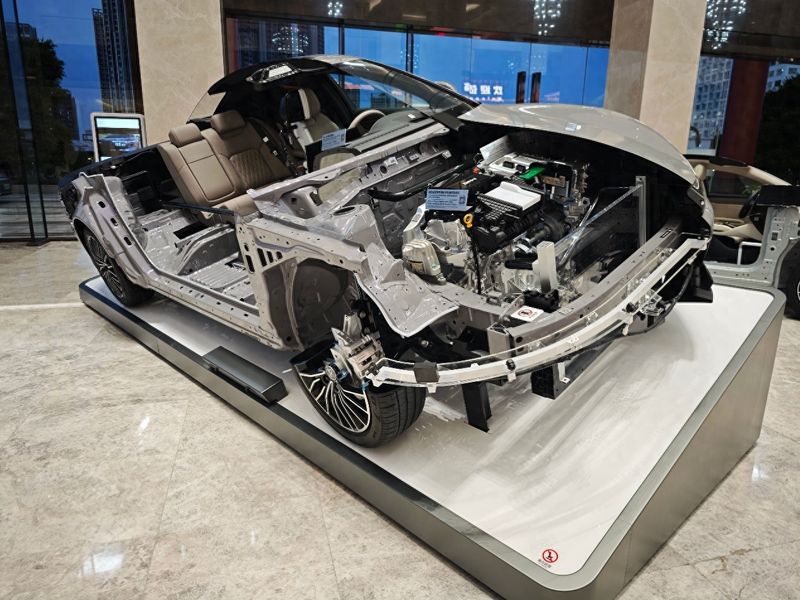
What's a light quantification of cars
Around 2000, cars had not reached thousands of homes, and many thought that the heavier they were, the more secure they were, the more solid they were. The high quality of vehicle preparation has made it more difficult to manipulate, with higher energy consumption and slower acceleration. The light-quantitative design, on the other hand, will help to enhance the active safety of vehicles. The reduced quality and reduced energy consumption of the brake system at the same speed contributed to increased safety of the vehicle。
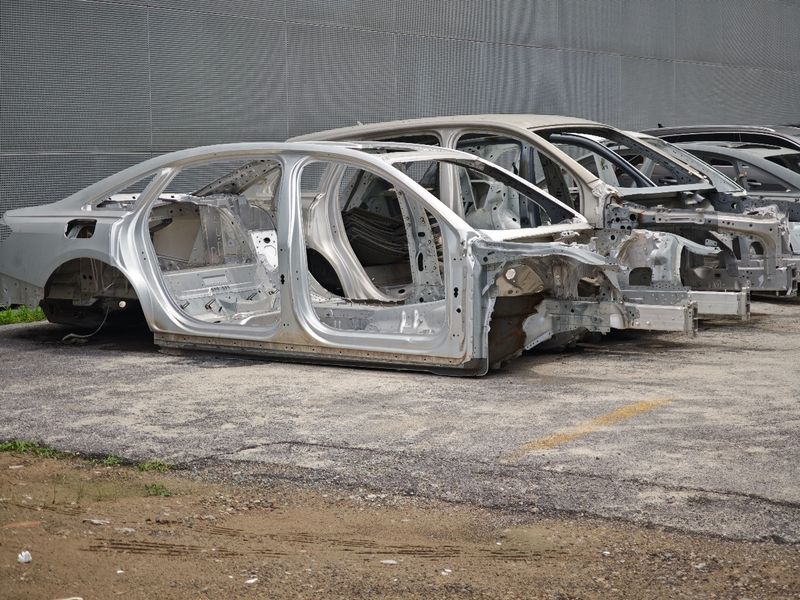
The term “light quantification” is designed to reduce the quality of the package, while ensuring that its strength, rigidity, resistance to collisions, and nvh, among others, remain unchanged. It is far from being so simple as to “light” the car, but rather is a system project that trades over weight, performance, cost and process。
Light quantification is not good enough and can be seen as light quantification. The white body light quantification co. (l) is a key indicator for assessing car light quantitative levels, proposed by bmw as an industry-recognized standard. The formula is: l=m/(ctxa). Of these, m represents the mass of the white body skeleton, ct is the static turning point of the car, and a is the projection area of the white body as determined by the axle range and round range. The smaller the coefficient, the higher the light quantitative level. Based on industry averages, the light quantification factor for white car skeletons can be roughly divided into: l>3. 5 general, 2. 5
In addition, we have a lightweight factor for the whole vehicle. This is an indicator set out in the energy conservation and new energy vehicle technology roadmap 3. 0, incorporating factors such as power, energy consumption, etc. The formula is: l=(mxpxq)/(vxa). Of these, p represents the power level, q is a level of energy consumption and v is an overall spatial attribute, reflecting a balance between light quantification and performance。
Why light quantification
The benefits of light quantification are many and, in addition to improving performance, can be more than win-win in terms of energy consumption, acceleration, brakes, etc. For example, fuel vehicle fleets can be reduced by 0. 3-0. 6l/100km for each 100kg reduction in their overall mass, and electric vehicles can be reduced by 6-9 per cent for each 10 per cent reduction and cltc can continue to fly, while battery costs can be saved by 15-20 per cent for rapid conditions. The light quantification is also included in the energy conservation and new energy motors technology roadmap 2. 0, which, according to the road map, resulted in a 35 per cent reduction in the light factor for pure electric passenger vehicles in 2035 compared to 2020。
How can light quantification be achieved
The light quantification can be broadly divided into three technical routes: advanced materials, advanced designs, advanced manufactures, which are mutually reinforcing and mutually independent。
Advanced materials
Light quantification of materials is the primary way for vehicles to “reduce weight”. A variety of light materials are currently used extensively in cars to replace traditional steel。
Aluminium alloys are the most widely applied and mature light quantitative material with an aluminum alloy density of approximately 2. 7 g/cm3, only one third of the steel, with good impact resistance and corrosive resistance. It is mainly used in the areas of suspensions, side racks, beams, door coverings, engine hatches, trunk covers, wheel circles, etc。
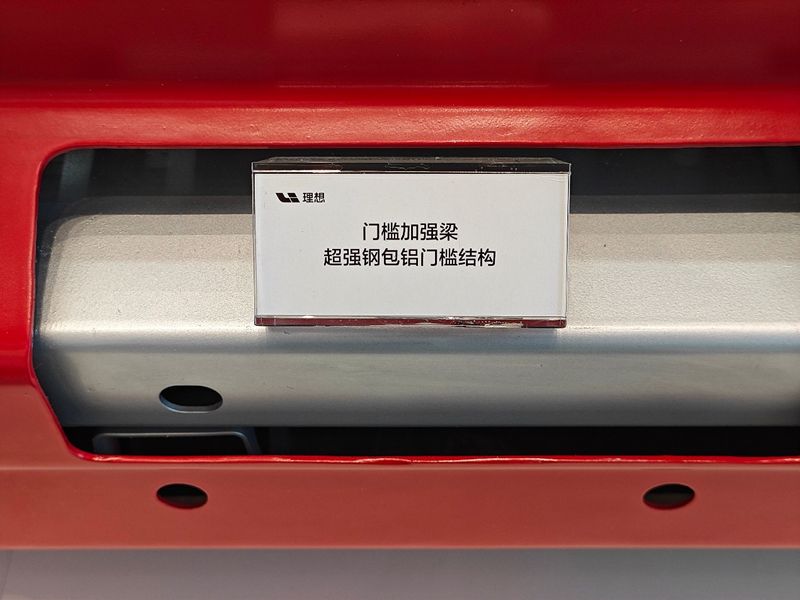
Magnesium alloy is lighter than aluminium alloy, with a density of only 1. 74 g/cm3 and a density of about 30 per cent less than aluminium, and is used mainly on parts such as car interiors, seat skeletons, steering wheel skeletons, etc。
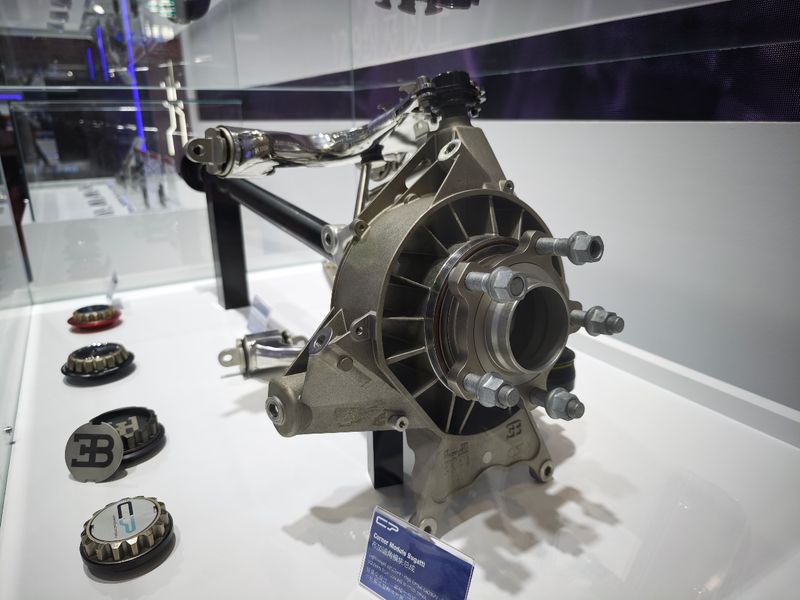
The titanium alloy density is approximately 4. 5 g/cm3 and, although at a density higher than aluminium and magnesium, it has the highest ratio strength in all metal materials, along with excellent temperature resistance and corrosivity. The main problem with titanium alloys is high manufacturing costs. The metal activity of titanium is high and has to be smelted in a vacuum or inert atmosphere, and high purity protection of the gas during welding is also required to process the molds and equipment at a high level and the knife is easily worn。
Carbon fibre composites are “governors” in light quantitative materials, 7-9 times the strength of steel and are lighter than aluminium alloys. However, carbon fibre composites are expensive and are currently available only in a very small number of car types and can be used in parts such as body, cover, wheel, interior decoration, etc。
Advanced design
Advanced design refers to the optimization of product structures through repeated testing to achieve weight reduction. The structure optimization methods vary according to the design variables, and can be divided into size optimization, shape optimization and topography optimization。
Optimizing variables are the size parameters of structures, such as thickness, cross-section area, etc., and geometry and shape change in the structure during optimization
The optimising variable is the boundary shape of the structure, such as the shape of the hole, the contours, etc., and the geometry of the structure during the optimization process remains constant
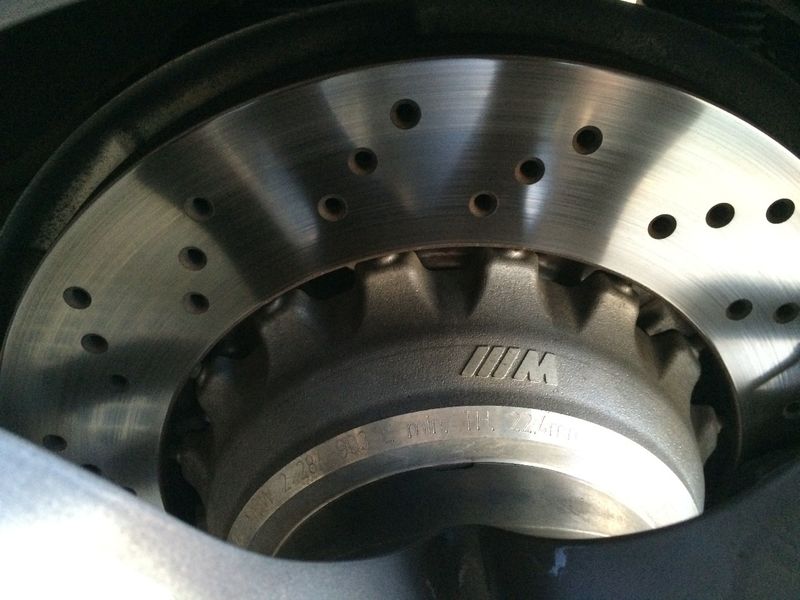
The optimization variable is the unit pseudodensity in the design space, which changes the geometry of the structure by optimizing access to the optimal distribution of materials。
Optimizing design through cae simulation and scaling-up, reducing redundancy design and parameter optimization, accurate and quantitative descriptions of structural geometric parameters and performance in conjunction with numerical simulation techniques, and ensuring that materials are distributed within space with the best strategies. In this way, and subject to guaranteeing the carrying capacity, the extreme weight reduction objective is achieved by maximizing material performance and achieving a light quantification and safety balance。
New energy vehicles, for example, emphasize the integration of components, the high integration of hmi hosts, the reduction of spare parts and the reduction of wiring weight. One of the representatives is also the integration of batteries with chassis (ctc, celltochassis). The new energy car-powered battery pack is structurally strong and uses it as a structure to connect directly to the body, not only to reduce weight but also to increase the utilization of space in the vehicle, provided that it meets rigidity and strength。
Advanced manufacturing
Advanced manufacturing processes are the guarantee of light quantification of cars and involve new material formation methods and connectivity techniques。
Laser welding can significantly reduce the number of parts and improve the quality stability of the body。
Hydraulic formation techniques are used mainly for the formation of hollow parts with a contours, rectangular or irregular shape。
Thermal pressure formation technology is developed for high-strength steel plates and can process materials with a strength exceeding 1200 mpa。
Fae materials connection technologies address the connectivity challenge between a variety of light materials. For example, efficient connections between a variety of exotic materials, such as carbon fibres, aluminium alloys and high-strength steels, have been achieved through a variety of means, such as adhesive and condensation。
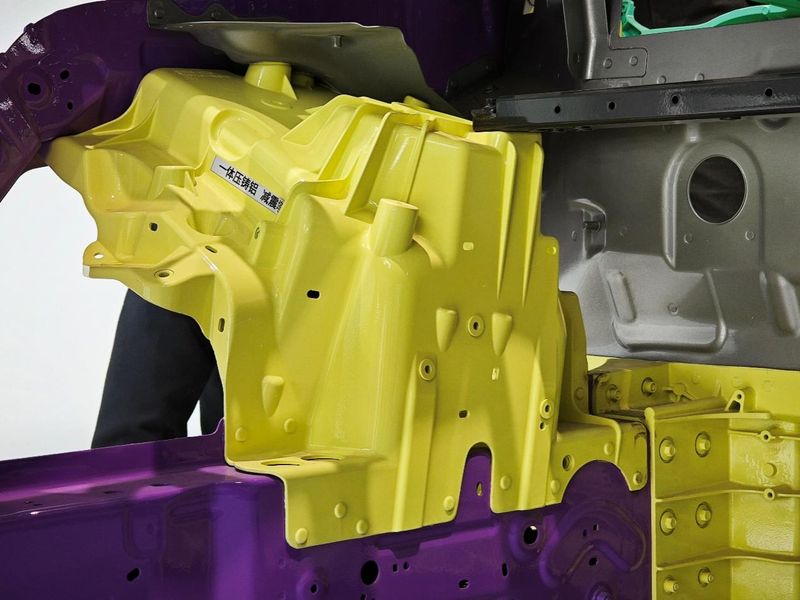
At present, the more famous is integrated casting technology. It is a revolutionary breakthrough in deweighting multiple dispersive parts once and for all through a large caster。