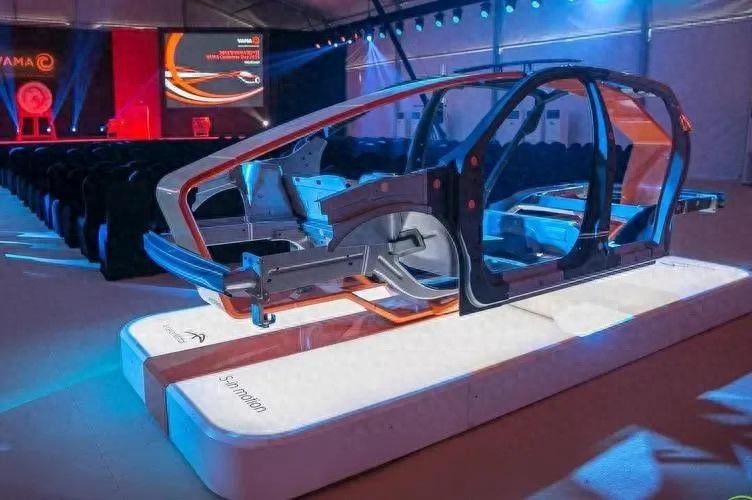
And today, on the front line of the machine, we're talking about the weight reduction of the car, and in order to reduce the weight, the mechanics are working hard on the car materials, and they're working hard。

In fact, cars, like humans, are easy to lose. A fat man loses weight, can get away from three heights, can be healthier while moving more flexibly; cars can be lighter, can be better managed, and can run faster without changing engines, and, more importantly, can reduce energy consumption and exhaust emissions and become more environmentally friendly。
Mechanical front-line encyclopedia: the carbon fibre material that we often refer to is actually called carbon fibre booster polymers or plastics, in english as cfrp, or carbon fiber reinforced polymer, or carbon fiber reinforced plastic. Cfrp is popular with industry in terms of its light weight and intensity as one of the future directions for automobiles. The same volume of carbon fibre-fibre material components weighs only 20 to 30 per cent of traditional steel components, while their strength is more than 10 times that of steel. However, there are shortcomings in the cfr material, the biggest of which is expensive
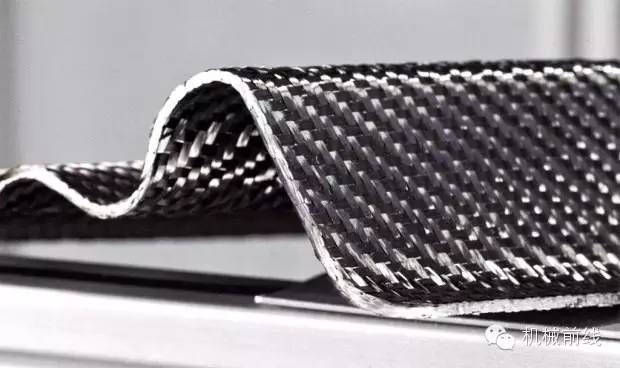
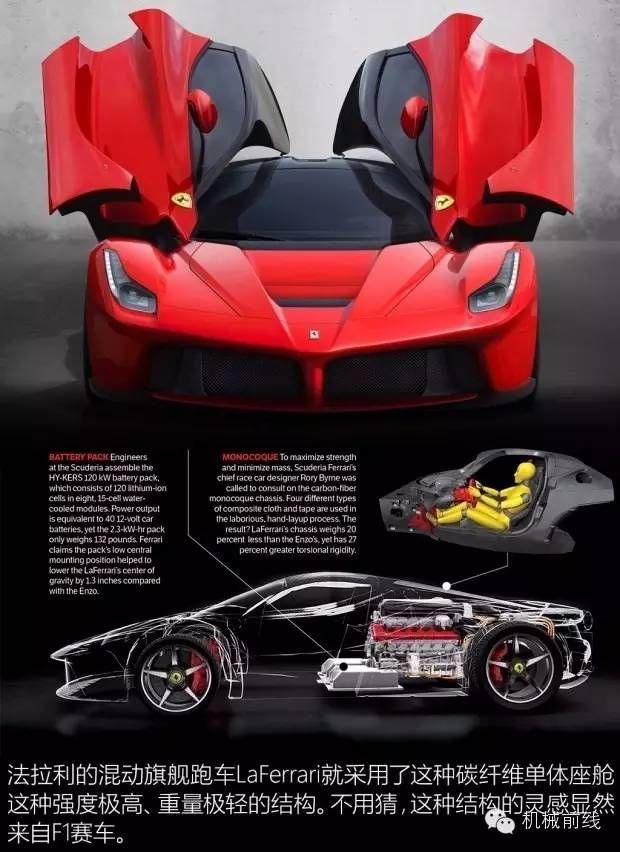
Just because cfrp is not particularly pro-people, in the past only super-drives worth hundreds of thousands of dollars (domesticly sold for millions of yuan) were able to absorb their high costs, while some of the super-drives not only used cfr extensively to make their body parts, but also used these expensive materials to make a whole cabin structure, also known as carbon fibre monomer。
Mechanical front-line encyclopedia: aluminium alloying on cars looks closer to us than the previous cfr material. Aluminium alloys are not as light as cfrp and less intense, although the advantages are clear compared to conventional steel: aluminium alloys have a density of approximately 2. 7 g/cm3 and steel of about 7. 8 g/cm3; in terms of strength, the aluminum alloys have a ratio strength of about 85, while alloy steel is only 40. More importantly, aluminium alloys are relatively more acceptable than cfrp materials。
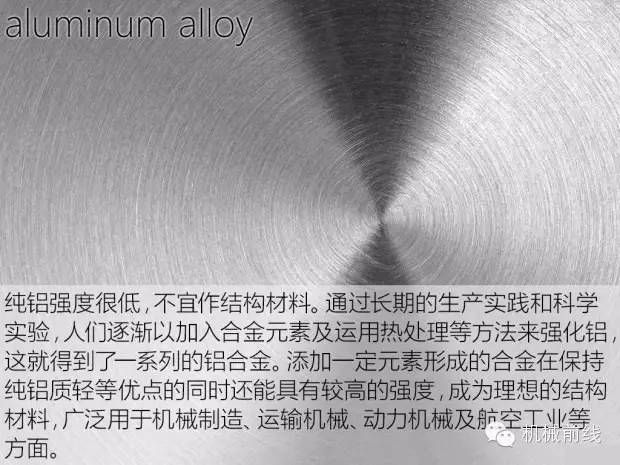
In addition to the whole aluminium body structure, aluminum alloys can be used locally in parts of “heavy” so that they can be used effectively to reduce their body weight while balancing production costs and making vehicle prices more “personal”. The more common parts are the hoods of the engine and the trunk/door, as well as some other body cover. Aluminium alloying material has been used in a non-cargo truck type such as ford f-150, and even in the body as a whole, although these parts are not the main carrying structures。
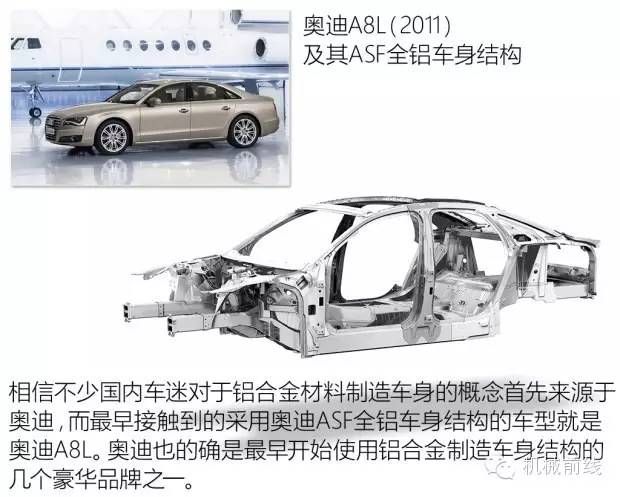
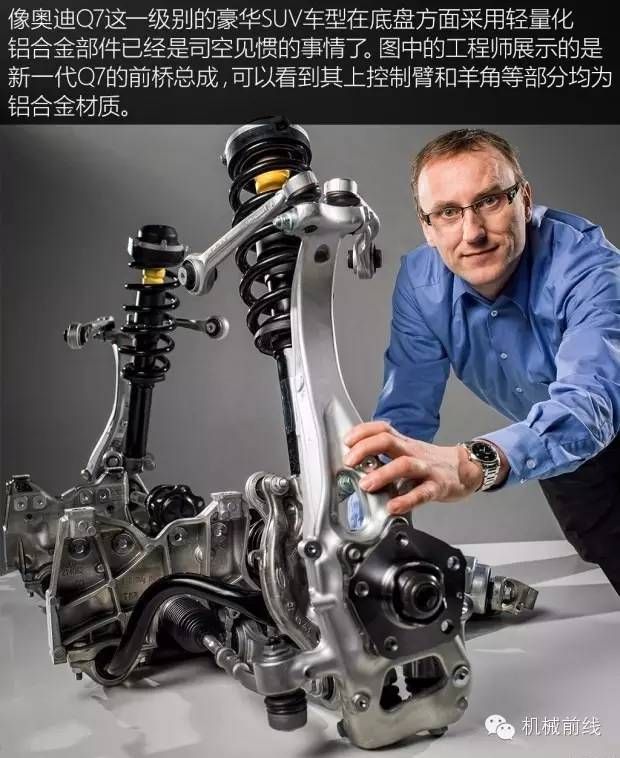
Mechanical front-line encyclopaedia: although aluminum alloy materials are more pro-people than before, the cost of construction is much higher than that of conventional steel, and it is still “single” for some models that, for reasons of positioning and selling prices, cannot absorb these additional costs. However, the advantages of light quantification are undoubtedly even more important for economic vehicles, which are more economic in nature, because the consumers who choose them are more sensitive to fuel consumption, so many firms are thinking about traditional steel。
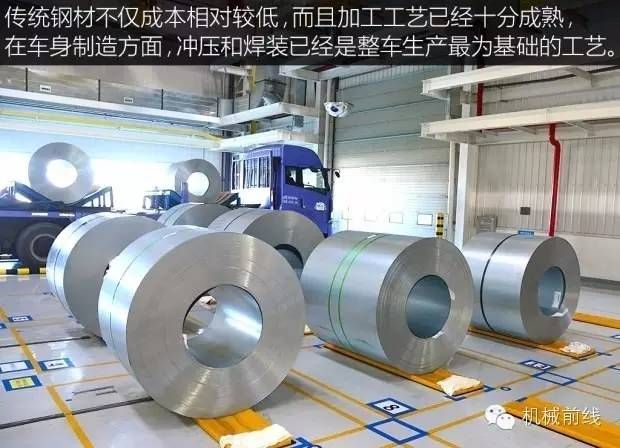
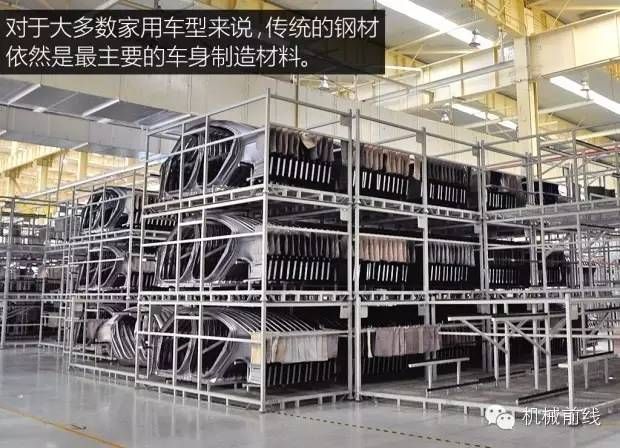
Weight reduction presupposes that the strength of the body structure is not only related to the level of safety of the vehicle, but can also affect manipulation. Can both expensive carbon fibre materials and aluminium alloys be made with the same intensity well below the weight of steel, and can steel with similar performance be made through special processes? The answer is that a lot of people have heard of high steel。
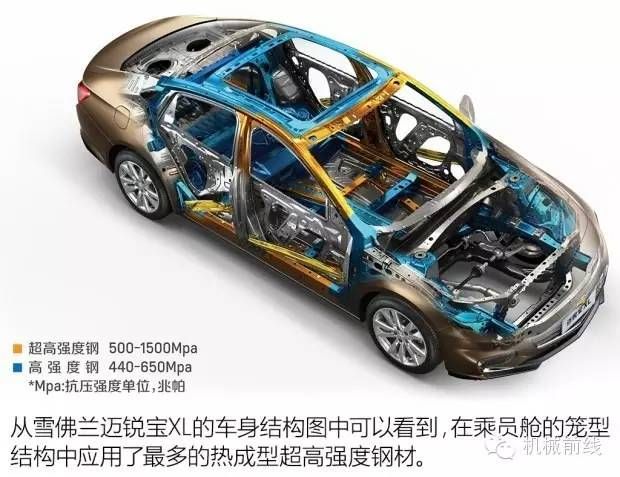
The greatest advantage of this local variability is to create insinuation zones without sacrificing the body as a whole to flex and bend, and to make the frame lighter. According to honda, the new sedan version of the car is 25 per cent more resilient than the previous generation。
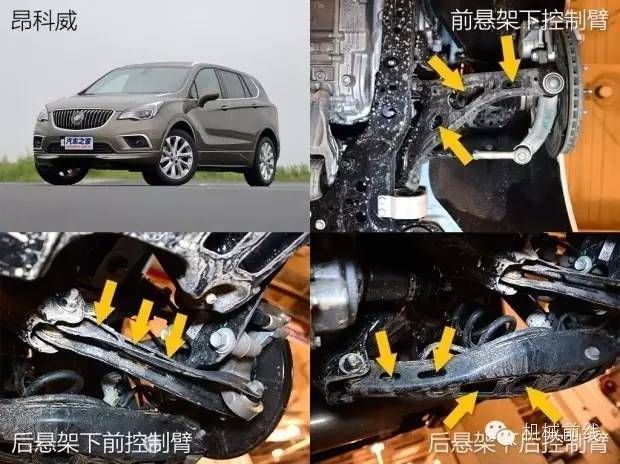
In addition to high-strength steel, by precise calculation and analysis, engineers can also reduce the use of steel by perforating or redesigning the shape or structure of the steel component, thereby reducing the weight. This means of weight reduction is relatively less costly than those used to replace materials, but requires a very scientific and precise computational capability。
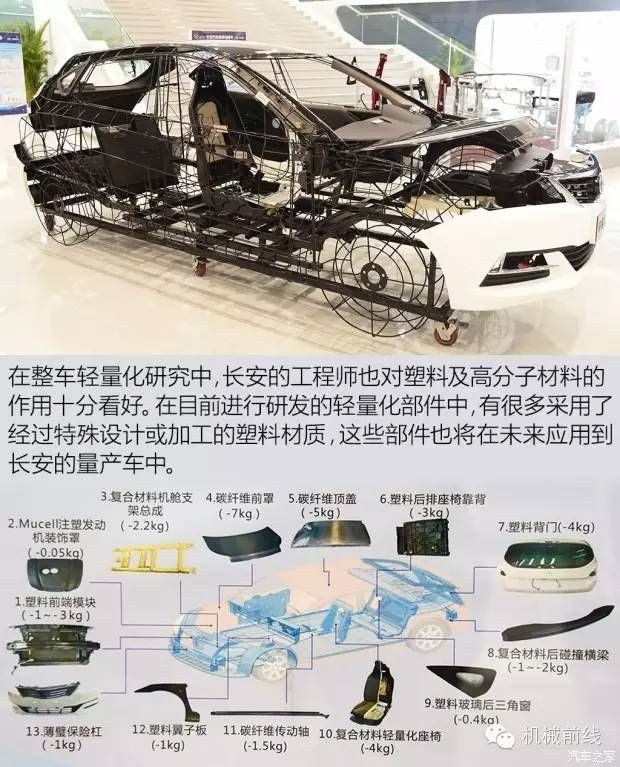
Mechanical front-line encyclopedia: finally, one of the materials that we want to talk about is the one that is most relevant to our daily lives: plastic. A lot of people think soft and light plastics can only be used to build a toy car. And that goes back to what we used to talk about: the body structure that determines the safety of a vehicle, not the skin of a vehicle. Of course, we are not discussing this topic today, which is at risk of being torn apart, but just to tell you here that engineering plastics have in fact been used long ago on some unmanageable body cover。
In conclusion, whether it be carbon fibre, aluminium alloys, steel or engineering plastics, cars have been moving in a light quantitative direction, and the misperceptions of car weight and quality have changed. With regard to the selection of the body of the vehicle, everyone is able to do so according to their economic circumstances. Carbon fibre is not necessary, and conditional aluminium alloy is enough。
♪ mechanical front line ♪
To spread knowledge of auto mechanics, master the dynamics of cars, learn to focus on the mechanical front