Fertilizer prices have risen this year, planting costs have increased, rice seasons in the south have demanded stable cultivation, and many growers have chosen to grow regenerative rice. A second-season crop of rice, with less management than a double-season crop, can also reduce the cost of inputs, and can be managed as an acre-producing ton of grain, yielding a much better crop than a double-season rice, with a much lower risk than a double-season rice. Regenerative rice is suitable for areas with abundant sources of warm light in the south, with the first season being around 130 days long and the rest 50-60 days long. Some of the concerns of growers are discussed below for information purposes only。
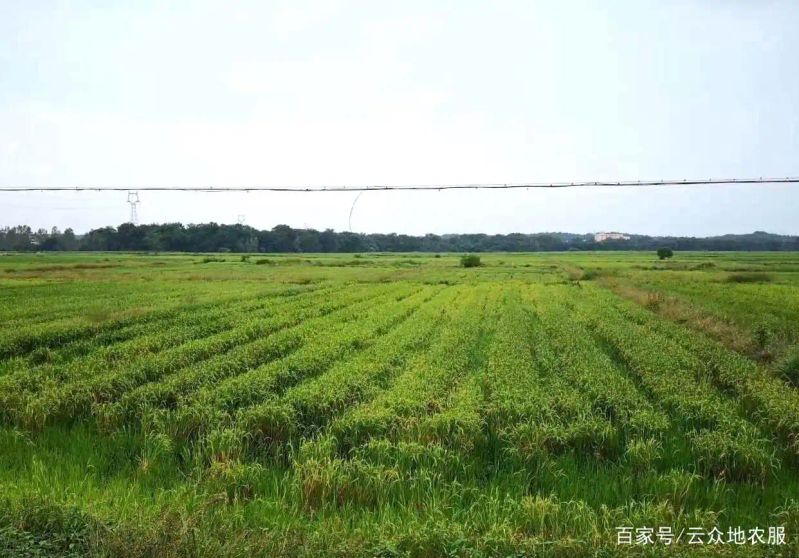
1. What varieties are used for regenerative rice
The choice of regenerative rice varieties takes into account high-temperature resistance, invertability, regenerative capacity and fertility adaptation, as well as the productivity and resistance of varieties. According to the performance of previous years, the following varieties can be grown:
Jing dynasty 1212, rong dynasty 1273, rong dynasty 1214, dynasty 5814, jing dynasty 1468, jing dynasty 534, jing dynasty 2 kung dynasty 534, jing dynasty ying dynasty 1, ying dynasty 4949, ying dynasty 1540, long gyeong gyeong 1212 etc. High-quality rice for regenerative rice, such as fragrance flight 1573, can be considered where conditions are favourable for small weather。
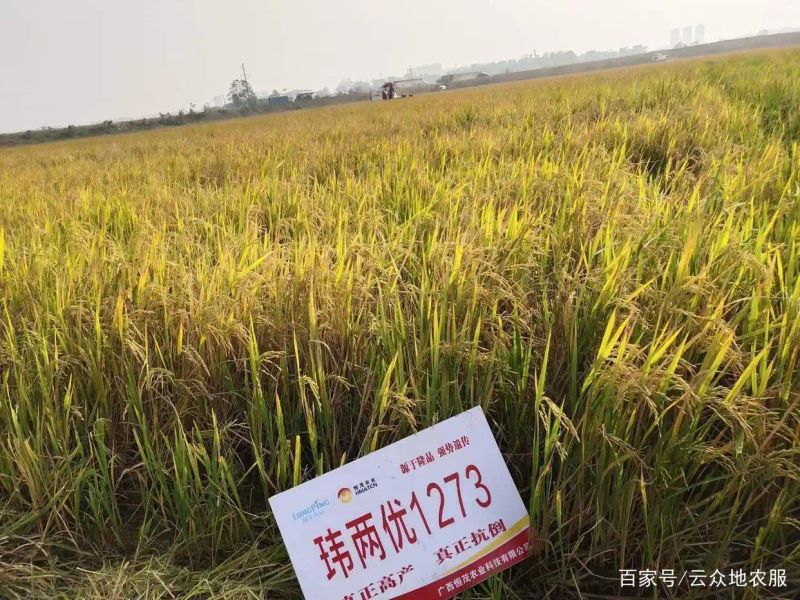
Are regenerative rice live
Having a low-growth, invertable and high density, prone to shades, prone to diseases and pests such as tattooing and paddy lice, and more difficult to combat and produce more in the regenerative season, regenerative rice is generally not recommended for live broadcasting and as much as possible removes the type of seeding, embroidery or planting。
Some regions are used to live and regenerated rice is also broadcast, focusing on the selection of highly resistant varieties, which are protected during seedlings with a variety of effects such as tungsten, and are not suitable for live rice cultivation。
3. What is the amount of rice grown
Based on the performance of the plant, an appropriate increase in the volume and density of the plant is conducive to the growth of regenerative seedlings in the head and the large fractions, resulting in early and large regeneration. Replanted regenerative rice cultivation is typically 1. 5 - 2. 5 kg of mixed rice and 4 - 5 kg of conventional rice; live regenerative rice cultivation is typically 4 - 5 kg of mixed rice and 8 - 10 kg of conventional rice; and seedage is typically 3 - 4 kg of mixed rice, and machine plugs are equally seeded and broadcast (4 - 5 kg)。
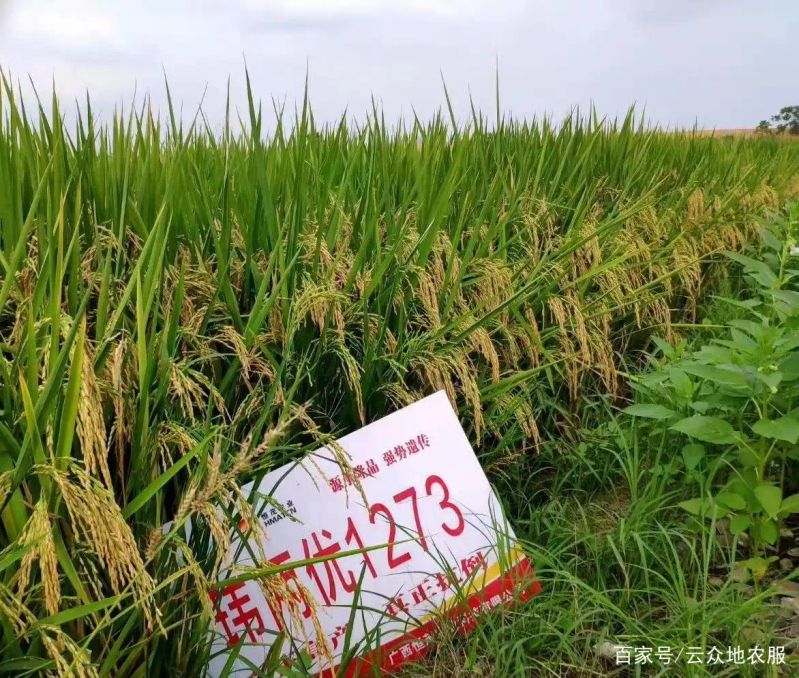
Live rice regeneration
Four, what time do we plant
The planting time of regenerative rice is similar to that of early rice, requiring average daily temperatures of more than 12°c over the next five days, more than three days of clear or cloudy weather, and sowing in the absence of rain on the day and in the absence of rainfall above five days after sowing. The central and downstream areas of the yangtze river were generally seeded in a timely manner on or around 20 march in the light of weather conditions, and were broadcast live around chongming (around 5 april) in conjunction with weather conditions。
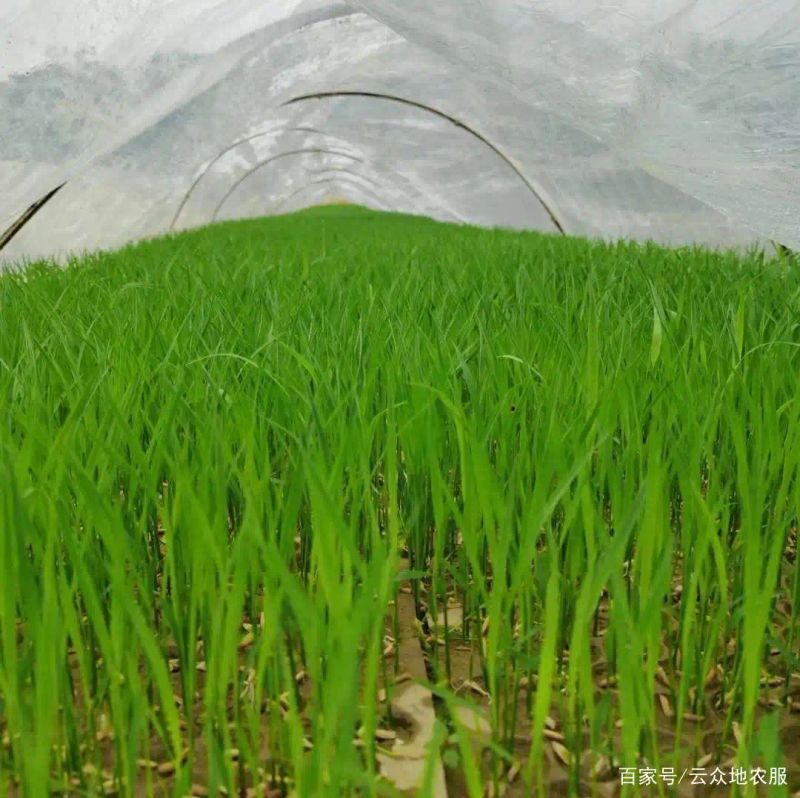
5. Management of regenerative paddy periods
In the spring, low-temperature and persistent rain weather is prone to adverse effects on the growth of regenerated rice. The fields that have been planted and thrown are slightly better, so that they can cover the membranes, but the weather changes and the membranes are subject to weather conditions. This is mainly the case of live regenerative rice, such as the large area of albinism in jiangxi in 2021, which is normally watered and warmed during the cold tide, which is followed by clear and timely drainage, which does not allow for full single-time drainage, prevention of physiological loss of water, or the introduction of liquid membrane cover during the gestation period. Heavy rains have had a greater impact on the live (unsettled) broadcast of rice shortly after it was broadcast, so that before it rains, it is necessary to pour deep water to protect the seedlings and then drain the field in time。