How long will it take for the car to get the bed fixed
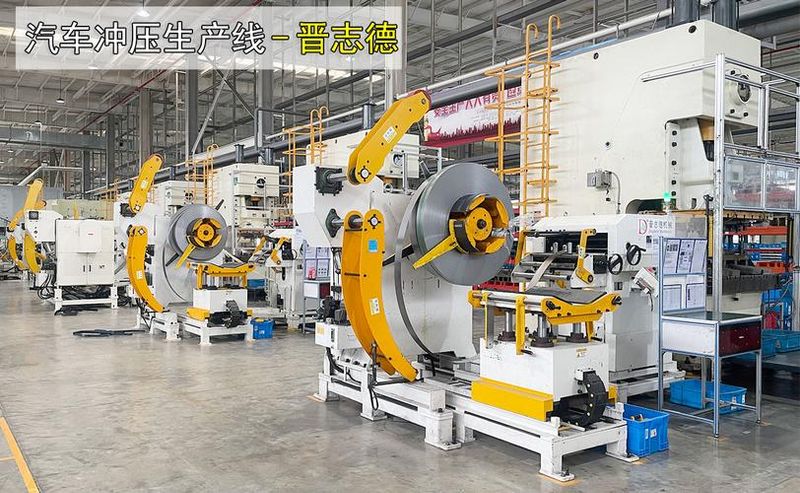
Car flushing is a processing device that is widely used in the manufacture of automobiles and is used mainly for the formation of metal plates. The method of work is based on a combination of mechanical and hydraulic pressure, and plastic transformation of metal materials by pressing the moulds, resulting in complex parts of various shapes. In the actual production process, the maintenance and repair of car-scrambling is essential, directly affecting production efficiency and product quality。
I. Structure and purpose of structure
Automobile flush beds are usually made up of pressure moulds, hydraulic systems, pressure racks, control systems, etc. Scrambles are the core parts of the netting bed and are responsible for plastic alteration of metal materials. Hydraulic systems are responsible for providing power to ensure the stability and accuracy of the process. The pressure rack is the structure that supports the entire equipment and its stability directly affects the pressure mass. The control system is used to adjust parameters such as pressure speed, pressure, process etc. To ensure the accuracy of the process。
The metal material during the bursting process is subject to plastic deformation in the form of the required shapes, acting on the pressing mould. This deformation process needs to be completed at a certain pressure and speed, so the parameter setting of the crushing process is decisive for the performance of the flushing bed。
Ii. Types of malfunctions common in car flushing
In practice, car-sprinting can encounter a variety of malfunctions, including the following:
1. Exulsion moulds wear and tear: when used for a long period of time, the pressure moulds may be deformed or invalidated by friction or wear, affecting the mass of the pressure。
2. Hydraulic system failure: inadequate fluid pressure, congestion or wear of a hydraulic tank in a hydraulic system, which results in insufficient pressure pressure and affects processing accuracy。
3. Mechanical structural damage: some damage due to long-term use or external shocks, such as pressure racks, transmission systems, affect overall operational stability。
Control system failure: problems with sensors, implementers or circuit boards in the control system, which can cause pressure parameters to be irregularly regulated and affect processing quality。
These types of malfunctions require focused attention in the day-to-day maintenance of vehicle flush beds and are detected and addressed in a timely manner to ensure the proper functioning of the equipment。
Iii. Rest and time estimate of maintenance of cars
The cycle of vehicle bed-stamping depends on factors such as type of failure, frequency of use of equipment and level of maintenance. As a general rule, the cycle of vehicle-stamping is broadly divided into the following phases:
1. Diagnosis and preliminary examination of malfunctions: in the event of an anomaly in equipment, a visual examination is first performed to ascertain whether there has been significant damage or wear or tear. At the same time, initial detection of critical components such as hydraulic and control systems。
2. Fault screening and positioning: based on the results of the inspection, the source of the failure is further checked to determine whether the mold is worn, the hydraulic system is malfunctioning or the control system is a problem. This step will require specialized maintenance staff。
3. Maintenance and replacement spare parts: replacement of worn moulds, repair of hydraulic systems or replacement of damaged components, depending on the type of failure. This phase requires specialized maintenance technology to ensure that replacement spare parts match equipment。
Equipment debugging and testing: once maintenance is completed, the equipment will need to be debugged to ensure that its parameters are normal, including pressure pressure, speed, itinerary, etc. At the same time, physical processing tests are required to validate maintenance effects。
It usually takes one to two days from diagnosis to completion of maintenance, depending on the complexity of the failure and the proficiency of the maintenance staff。
Iv. Factors affecting the duration of car-sprint maintenance
1. Incidence of failure: if the failure is serious, such as severe wear and tear of the mould or complete failure of the hydraulic system, the maintenance period may be extended to three days or more。
Frequency of use of equipment: equipment used at high frequencies may be maintained for longer periods of time in case of failure because of repeated inspection and repair。
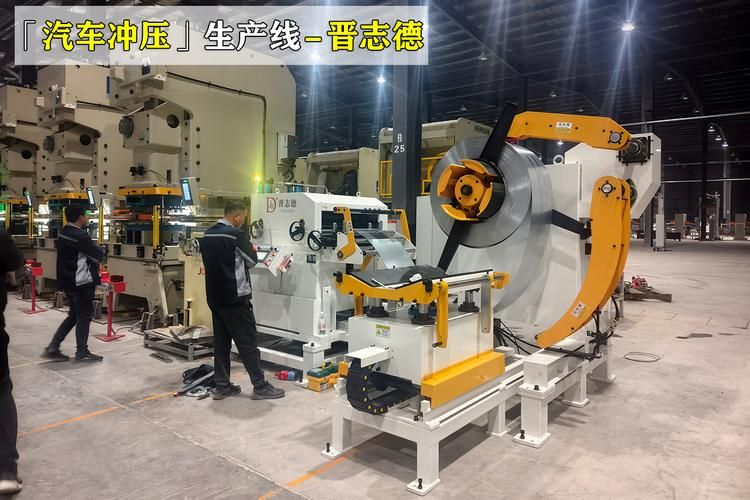
3. Level of skills of maintenance staff: maintenance staff with extensive experience can more quickly diagnose problems and repair them, thereby reducing maintenance time。
4. Availability of maintenance materials: the maintenance can be completed more quickly if the spare parts required for maintenance are in sufficient stock; conversely, if additional procurement is required, the time will be extended accordingly。
5. Level of automation of equipment: equipment with a high degree of automation can speed up maintenance by reducing manual interventions through procedural controls when maintained。
V. Car flush maintenance
The following aspects need to be noted when carrying out car-sprinting repairs:
Safety first: maintenance must ensure that the equipment is safe and avoid accidents。
2. Professional maintenance: car flushing requires professional operations to avoid damage to equipment or safety incidents as a result of improper operations。
3. Regular maintenance: regular maintenance and maintenance of equipment can effectively prevent malfunctions and extend the life of the equipment。
4. Recording and tracking: failures, maintenance processes and results should be documented in detail during maintenance for subsequent reference and improvement。
5. Spare parts management: ensure adequate inventory of commonly used spare parts and avoid delays in maintenance owing to inadequate spare parts。
Vi. Common problems and solutions for car-sprinting maintenance
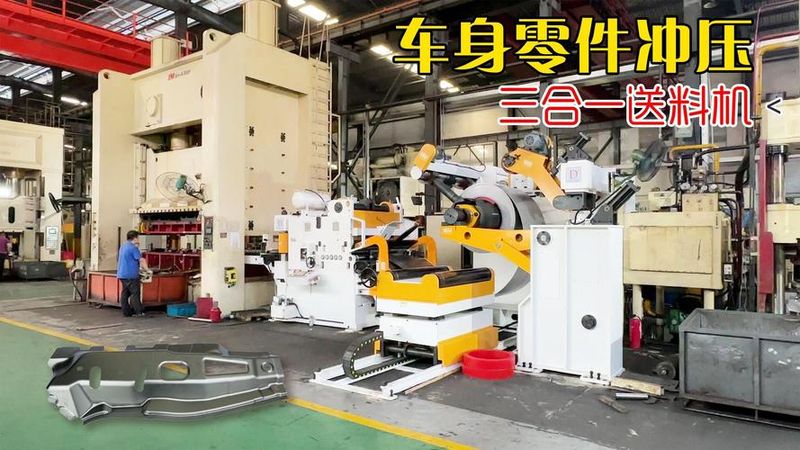
1. Exulsion mould wear: molar wear is one of the common problems of car-sprinting. The solution includes periodic examination of wear and tear of moulds and timely replacement of badly worn moulds。
Hydraulic system failure: hydraulic system failure may be checked by checking the fluid pressure, the flow of the oil, the wear and tear of the hydraulic tank, etc., and replace the hydraulic fluid or hydraulic tank as necessary。
3. Mechanical structural damage: mechanical structural damage may be repaired or replaced in a timely manner by inspecting parts of aircraft racks, moving systems, etc。
Control system failure: control system failure can be replaced or repaired in a timely manner by checking components such as sensors, implementers, circuit boards and so on。
Vii. Analysis of the economic benefits of car wash-off maintenance
The maintenance of car-sprinting beds not only affects productivity but also has a significant impact on the economic efficiency of enterprises. If the equipment is shut down as a result of failure, it will not only cause production delays, but may also increase costs due to waste of materials. Therefore, enterprises should focus on the maintenance and repair of car-sprinting beds to ensure that equipment is in good condition in order to reduce maintenance costs and increase productivity。
Viii. Future trends in car shoot making
With the development of industrial automation, the maintenance of car wash-beds is being optimized. In the future, vehicle bed-slam maintenance will become more intelligent, for example by monitoring the state of the equipment in real time through sensors, automatically diagnosing malfunctions and reducing manual intervention. In addition, maintenance materials and maintenance technology will continue to improve maintenance efficiency and equipment life expectancy。
Ix. Summary
Automobile bed-sprinting is an important element in ensuring production efficiency and product quality. In practice, the length of maintenance time is influenced by a number of factors, including the type of failure, the frequency of use of equipment, and the skill level of maintenance personnel. Enterprises should pay attention to the maintenance and maintenance of car-sprinting beds and ensure that equipment is in good condition to improve productivity and economic efficiency。
In conclusion, the maintenance of car-sprinting beds requires careful diagnosis, professional skills and scientific management to ensure stable operation of equipment and reliable support for car manufacturing。