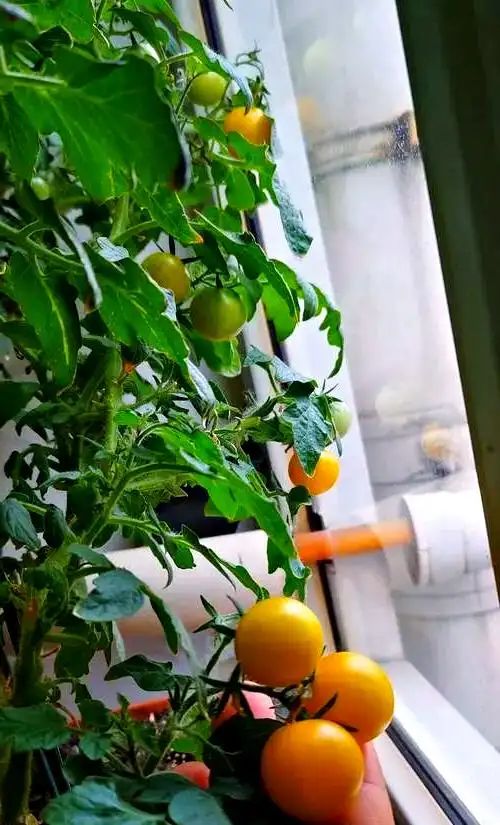
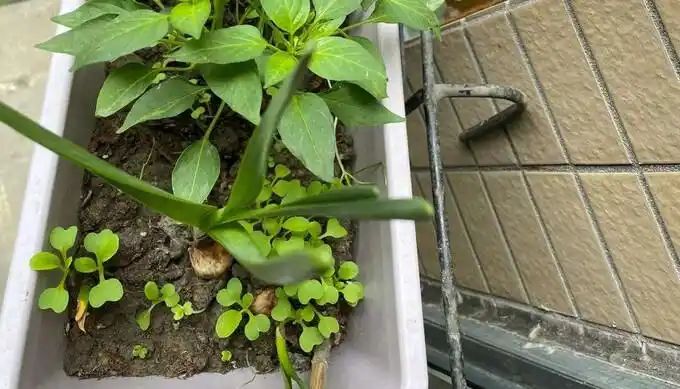
Tomatoes are an important way of growing tomatoes. What about tomatoes? I'm going to give you some idea of the technology used to grow tomatoes。
1. Tomato selection in the shed
The choice should be made for low-temperature, low-light-resilient, disease-resilient, pre-arid and high-yielding species。
2. Cultivation of seedlings of appropriate age
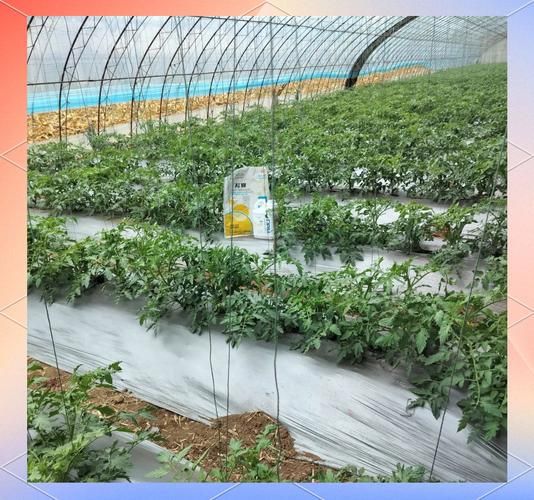
Varieties vary in sophistication and in the manner in which they are grown, as well as in the appropriate age. Early-literated varieties take 55-60 days for homeless seedlings in greenhouses, 60-65 days for hot hothouses and hothouses, and 65-70 days for solar greenhouses. The appropriate age of seedlings for medium- and late-finished varieties is 510 days higher than for early-finished varieties. The seeding period of the shed tomatoes is calculated on the basis of the date set for the planting of tomatoes in the local spring shed, i. E. The date from which the suitable age of the seedling is subtracted. After seeding, the temperature of the temperature in the room is kept at 28-30°c during the day, at no less than 20°c at night, and the temperature of the layer at 5 cm depth is maintained at around 25°c. When the leaf grows, in order to prevent the growth of the seedlings, the temperature of the bed should be reduced appropriately。
3. Replanting in due course
The production of tomatoes in the sheds is long-term long-term, high-yielding and must be fully applied. Before planting, the field should be made of thongs or rises, coverings. The transplant should aim to be timely and early and not to lose the shantytowns for the purpose of early ripening. The timing of the transplant should be determined by temperature changes in the shed, the availability of front crops and the level of coverage in the shed. Temperatures are generally stable at 4°c or above at night in the sheds, and soil temperature is stable at around 10°c. Cultivation density varies depending on the variety of varieties, with 5,000 varieties per acre, 4,000 medium and 3,000 late。
4. Post-plant management
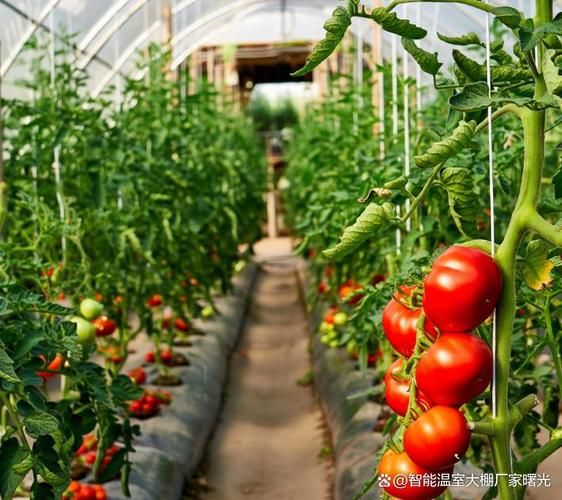
In the early stages of planting, it was mainly to prevent cold and warm. In the event of a cold, multiple layers of cover, such as a small arch shed or a skylight, are used to protect against the cold from the grass curtains surrounding the huts. The temperature in the shed remains at 25-28°c during the day, not more than 30°c, and above 13°c during the night, after the cold seeding. As the temperature rises, it increases the amount of winding, increases the duration of the airing, leaves the air early and closes it late. After mid-may, we're going to start out of the air and try to control the day up to 26°c and the night up to 17°c.
In the early stages of tomato migration in the sheds, water must be brought under control to prevent tomato leaf lengths and promote root growth. After the bouquets, 30 kg of compound fertilizer per acre was followed and once water was poured. When the topsoil is dried up, it is plentiful (except for membrane cover). After the second and third croquettes, each water is poured. The water is to be pumped in the morning of the sun, followed by increased ventilation and reduced air moisture in the shed. The shed is wet enough to be prone to various diseases。
The whole of the trunk is usually a single branch or an improved one, with three to four layers of growth in unlimited varieties and two to three layers of growth in limited varieties and the timely removal of redundant branches. The whole branch of the chicken is combined to remove the old leaves, the sick leaves and the berries. Tomato plants in the shed can be supported by plastic-lined hammocks or with stick-ups. In the case of plugs, a fence is used。
In order to prevent the drop of flowers, the management of environmental conditions such as temperature moisture is enhanced during the flowering period by artificially assisted pollination (vibration strains or sequences) and the treatment of flowers with tomatoes or 24-a-d, etc。
5. Pest management

Stomachs suffer from, inter alia, night disease, ashilosis, foetal disease, virus disease, early disease, etc. The pests are mainly aphids, white lice, cotton bell bugs, etc。
6. Collection
The harvest period of the shed tomatoes varies according to climatic conditions, temperature management and variety. Usually from flowering to ripening, 40 to 50 days of pre-maturity and 50 to 60 days of pre-maturity. The fruit can be vinylly artificially incorrigated when it is given white. It is generally collected during the chromosomal season。
The above is a description of the technology used to grow tomatoes in the sheds, and friends who grow tomatoes in the sheds can use the above technology to justify their cultivation in combination with actual cultivation techniques。