


The daily news service (communicator: chiang saulong), whether it is a balconies plant or an open yard, is the first of its kind to grow, so that it can feed and produce more, and it is especially delicious to take off whether it is cooking or cooking. But many new breeds of chili either fail to grow or fail to grow, or fail to survive, with little or bad taste, are either hard peppers or do not have the right methods. Today, as part of the integrated urban and rural law enforcement team of won-soon county, the senior agronomist, mr. Chiang, has been working on a series of cases in thousands of families, studying and writing a book on the production of hot peppers, which has been shared by all, from seedlings to results。
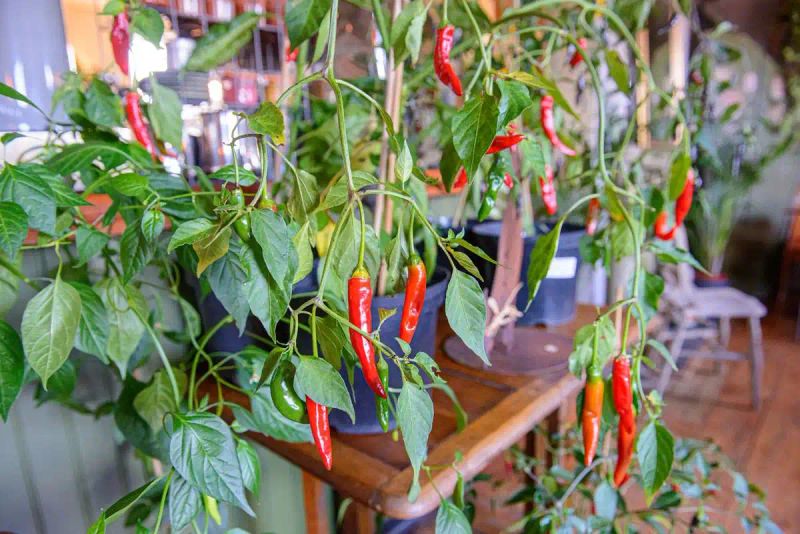
The secret to breeding is: the choice of the right method, the emergence of the strong, the cultivation of the chili, the importance of the breeding, the ease with which the subsequent planting will be achieved, and the failure of many of the new breeds of chili is a step in the process. New breeders, without pursuing complex methods and simple operations, can make seeds grow and grow。
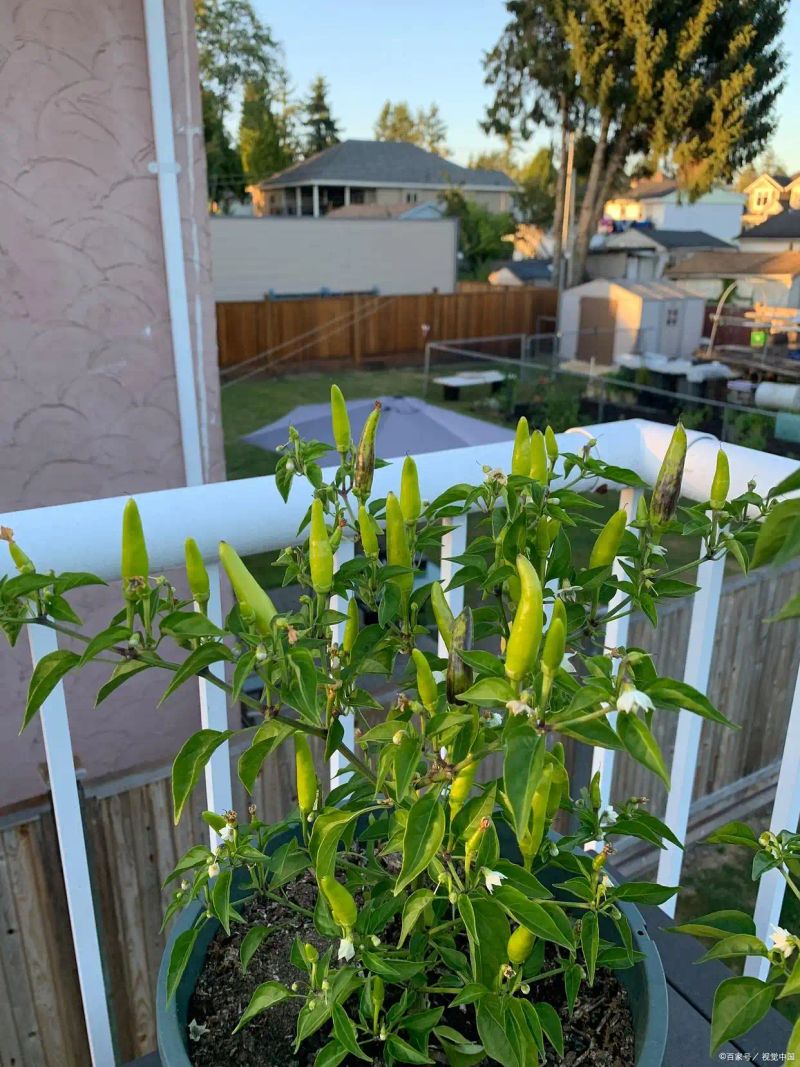
First, seeds, like cucumbers, are selected for fresh, full, non-destructive varieties that are suitable for the local climate, such as the southern region, which can select peppers, millet, which is more heat-resistant; and the northern region, which can select peppers, peppers and peppers, which are good for cold. After the seed is selected, the seed is sprung, the seed is bled in hot water for six to eight hours, it is extracted and wrapped in wet gauze, placed in an environment of 25 to 30°c, and washed with warm water once a day, for about three to five days, and the seed becomes white, so that it can sow。
The seedling soil needs to be lax, fertile and ventilated, and it is recommended that it be mixed at a ratio of 2:1:1 with corroded organic fertilizer, mixed and then fed into a nursery or a small flower basin, so that the water is watered out, and the white seed is spread evenly on the soil surface, covering a layer of one to two centimetres thick, with light pressure。
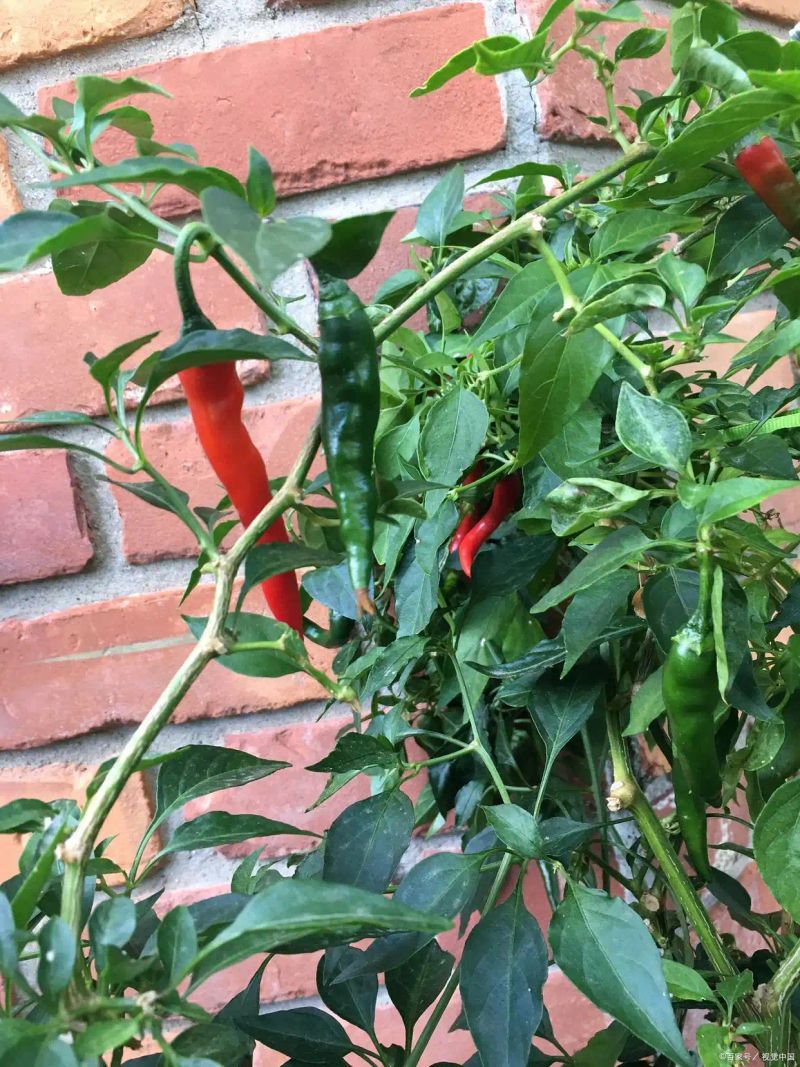
During the nursery period, the soil is moist and not too much water is used to cause bad seed, or too little. At the same time, adequate light should be guaranteed for at least four hours per day at a temperature of 20-25°c, so that the seed will be seeded for about 7-10 days. When seedlings grow, they are properly ventilated to avoid the growth of seedlings, and when they grow two or three leaves, they are able to grow, to retain strong seedlings, to remove weak, deformed seedlings and to give them sufficient space to grow。
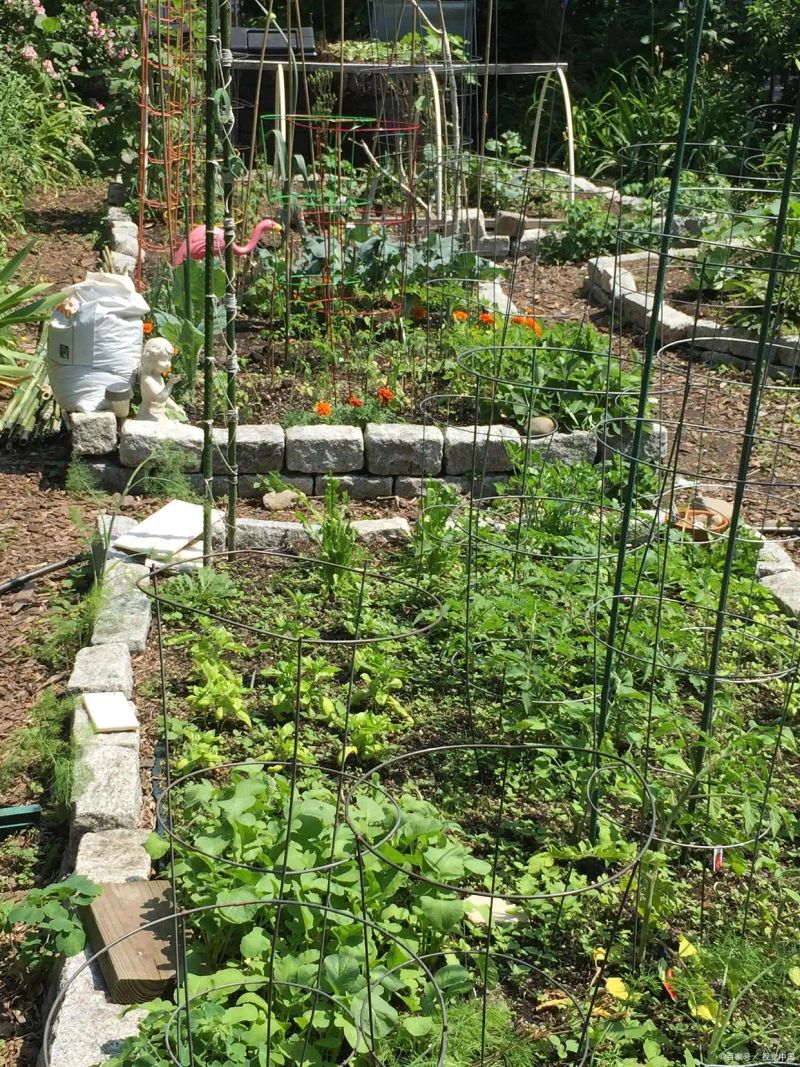
Replanting techniques: when the timing is right, the survival rate is high, the seedlings grow to 4-5 leafs, the timing and methods of planting directly affect the survival rate of the seedlings, and new hands must be careful not to move blindly. Before planting, seedlings must be practiced three to five days in advance, and seedlings should be placed in an outdoor ventilated and luminous area, so that the seedlings can adapt to the outside environment, so that they are less likely to contract and become more active。
When shifting, choose the bright evening or the dark sky, avoiding the high noon temperature and preventing the sunburning and atrophy of the seedlings. In the case of pellets, a 15-20 cm flower basin is selected and fed into a pre-packaged soil (as is the case with seedling soils), a small pit is dug in the middle of the basin, the seedlings are planted in the ground, the soil is compacted, the root water is watered, and the seedlings are moved to areas with sufficient light after success in the cold air for three to five days。
If the land is planted, the soil is to be cultivated deep enough before it is planted, with a condensed organic fertilizer that rises with a distance of 40 to 50 centimetres and a distance of about 30 centimetres. The seedlings are to be planted on the floor, the soil is to be crushed and the root water is to be poured. After planting, a membrane can be placed on the soil surface, both to keep it wet and to prevent weed growth, and to improve soil temperature and promote seedling growth。
There is also a small technique for planting a small amount of rotting sheep dung at the bottom of the pit, which can be used as base fat to provide additional nutrients to the seedlings, but it is important to note that the bottom manure does not come into direct contact with the seedlings, avoid the burning of the roots, and then mix it with the soil before planting。
Day-to-day conservation: the focus of water fertilization, the strength and results, the warmth of peppers, the sun and the fear of floods. The centrepiece of daily conservation is water, fertilizer and light. With these three things in place, peppers can flourish, flowers and results。
In the area of water, peppers are particularly afraid of flooding, following the principle of “dry and wetness”, the soil surface is dry and then watered, but it cannot be watered, and the pellets are ready to drop the water from the tray, so that the water is drained so that it does not soak at its roots. The amount of water to be poured over different periods of life and with different levels of water availability, the amount of water to be watered during the seedling period is appropriate and the soil is wet; during the flowering period, the amount of water required is increased and the frequency of water to be watered is increased, as appropriate, but water is not more suitable for flooding, especially in hot weather。
With regard to fertilizers, peppers are popular, but they are not applied in a manner that allows them to be applied in a manner that allows them to work. A small amount of nitrogen fattening is applied to promote the growth of leaves, such as ripe rice water and diluted nitrogen fatty solution, before flowering, additional phosphorus fattening is applied to promote the fracturing of buds and the reduction of fallows, and the result period is periodic fertilization, the application of decomposition organic fertilizers or potassium phosphate solutions every 10-15 days, the replenishment of nutrients, the promotion of fruit growth, greater growth of chili, and the extension of the outcome period。
In terms of light, peppers require sufficient light, guaranteed for at least six hours per day, and insufficient light can lead to long, small flowers, few results or even no results. It is therefore necessary to place it in areas where there is plenty of light, not in cold and poorly ventilated areas。
In addition, during the growth of peppers, they must be capped and sprouted in a timely manner, and when the strain is up to about 30 cm, it can boost the growth of the side branches and, if the side branches are too large, remove the sprouts from the bottom, as appropriate, avoid wasting nutrients and concentrate them on flowering. At the same time, it is necessary to remove the flowers and the bad fruit in time to avoid nutrient depletion and to promote the growth of new buds。
The key to the outcome is: pest prevention, multiple results, non-fat, chili outcome periods, which are most likely to occur in pests such as aphids, red spiders, anthrax, and in case of falling fruit, which can be avoided by newers with prevention and response and high-yield pepper harvest。
Prevention of diseases and pests is carried out in such a way as to maintain a well-ventilated plant on a regular basis, so that the plant is not too dense and leaves are regularly cleaned up; aphids, red spiders are discovered, and leaves are sprayed with soap or diluted insecticide every 5 to 7 days, two to three times in a row, can be effectively prevented; anthrax can be sprayed with polybacterial solution to prevent the spread of the disease in advance。
To prevent falling fruit, in addition to ensuring adequate light and nutrients, attention should be paid to controlling temperature, which is best maintained at 20-30°c during the flowering period, and can lead to falling fruit at high or low temperatures. In addition, water should be distributed evenly, without damp or dry soil or water accumulation, and reduce the incidence of flowers。
When the pepper is ripe, it is taken in time, when the colour is bright, the skin is smooth and the meat is full, and when it is taken, it is taken with a light break, avoiding damage to the plant and influencing subsequent results. After harvesting, fertilizer, water and nutrients are applied in a timely manner, and new fruits are promoted so that they can be picked one by one, from early summer to late autumn。
It's really simple to grow peppers, from seedlings to results, and if you know these techniques, you can avoid the pits that the new hands often stomp on, and the new ones can easily squeeze them, whether it's a balcony plant or an empty yard, and you can harvest a pile of peppers, your own peppers, fresh and reassuring, cooking and cooking。



