A new mushroom cover technology, “technology for man-made mudslides”, uses a one-time land-cover approach that allows man-made mudskinned mudslides, both wetting and ventilating, to support the growth of mushrooms. Here, this land-cover approach is outlined below by the authors of the network。
I. Fermented fields
First, the fields prepared for man-made mudslides are torn loose, thrown into pig and cow dung, evenly mixed. The water is then poured, and the water is above 3-7 cm above the soil to ferment it. During the fermentation process, several rolls are required to allow the excreta to be sufficiently fermented and fermented for about 20 days, so that it is fermented to form a large amount of bubbles and to accumulate water. After fermentation, dry field water is put in place for disinfection with ammonia. When the fermented mud breaks in the field, the mud is shoveled up and dried up, crushed into particles, and too much dusted. This fermented sun-dry-dried mud, which is commonly known as “man-made mud”。
Ii. Combination and man-made mud
Fresh, dry and non-toxic ph10 lime water immersed for 24 hours. Then mixed with man-made mud at 1:10 ~12 and (blowning and water first using lime water to regulate ph to 7. 5) brought the amount of man-made mud to about 40 per cent, i. E., the degree to which it formed a group and was scattered。
Iii. Gross time
Man-made soil is used to produce mushrooms for 11 to 12 days, 3 to 5 days earlier than particulate soil. As a result, the land cover period was delayed, usually at the end of september and early october。
Land thickness
Land cover requires light taping, so that the material is closely connected to the surface and is approximately 3 cm thick。
V. Land cover management
The soil is generally not sprayed. Evaporate some of the surface water and close the doors and windows. Attention is then paid to the moisture of the mud layer, which does not dry up the soil layer, especially if the mud is not dryed up in contact with the surface, otherwise it will affect mycelitis to climb the soil, which will cause a serious contraction. If soil surfaces are found to be dry, appropriate water recharge is possible. Throughout the management process, attention should be paid to ventilating and measures should be taken to increase the relative humidity of the air in the mushroom room to ensure water content in the mud. When the sub-entity is generally as long as the green bean is large, it can spray “sroom water”, the amount of which is wet by mud layer and cannot be overdosed, otherwise the water will directly feed the layer and affect the growth of the fungus。
Vi. Management of mushrooms
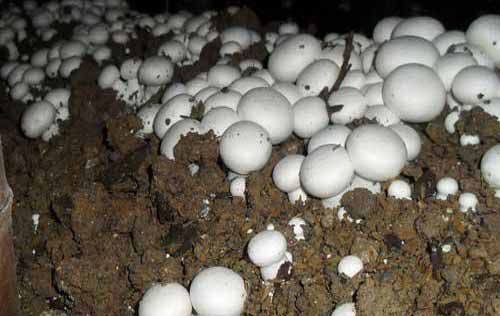
When picking mushrooms made of mud, they should be taken to the edges of the mushrooms, made to the bed, and made to the sides of the soil, otherwise the mud will be taken away by the mushrooms and the resulting void will affect the next batch of the mushrooms. The second batch of mushrooms, such as mud slabs, should be used in a timely manner to tap down the top or to plow the mud layer with a sting in order to damage the splendor of the slab so that it becomes a new fungus mushroom。
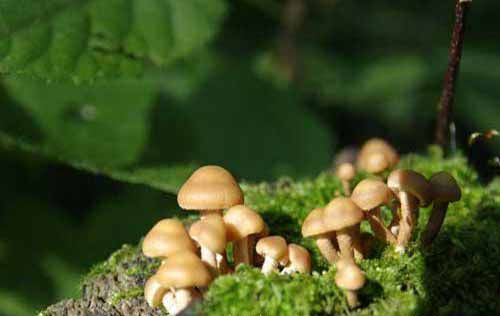
With new land cover technologies, 84 kg of mushrooms per square metre were produced, 8. 3 per cent higher than the monolithic crop, 10 per cent more primary mushrooms and 80 per cent labour savings。