The crust movement can be understood in a broad and narrow sense: the former refers to all physical and chemical movements of the material within the crust, including the deformation, deformation and magma activity of the crust; the latter refers to the movement of the crust, which is mainly caused by the internal forces of the earth, the tectonic formations, etc。
— the great geology
[tectural effects] are the result of changes in the position and deformation of the earth's crust and even of the rock coop, the increase and extinction of the ocean floor and the accompanying mechanical movements of seismic, magma or deformation. It is often expressed in the form of rock deformations, changes in position, changes in surface patterns, etc。
— constructive effect — encyclopedia
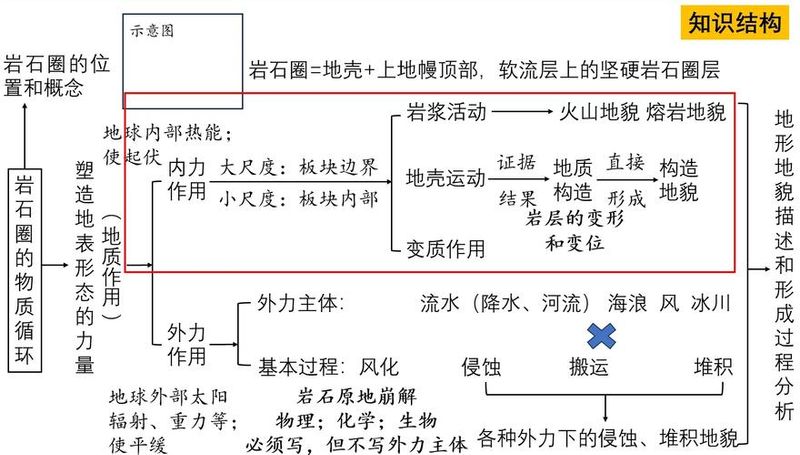
The inner force causes the earth's crust, and even the rock's circle, to deform, and it's called tectonic motion. Tectonic motion is seen as synonyms for crustal motion. In the narrow sense of the crust movement, which mainly refers to the rise, fall and formation of various tectonic forms of the crust caused by internal forces, the two terms are broadly equivalent; but in the broad sense of the crust movement, which refers to all the physical and chemical movements of the material within the crust, including the deformation of the crust, deformation and magma activity, which, from this concept, has a broader meaning. However, the concept of crust movement does not include the entire rock ring, and the use of this term seems to have its limitations at the moment。
— song young-ying, zhou wei, zhang zhenchun. Geology base: higher education publishing house
[geological formations], abbreviated construction, is the sum of the form of the various components of the crust or rock coil, their mode of integration and their features。
Scale
The type of construction can be divided into primary and secondary constructions by time of formation:
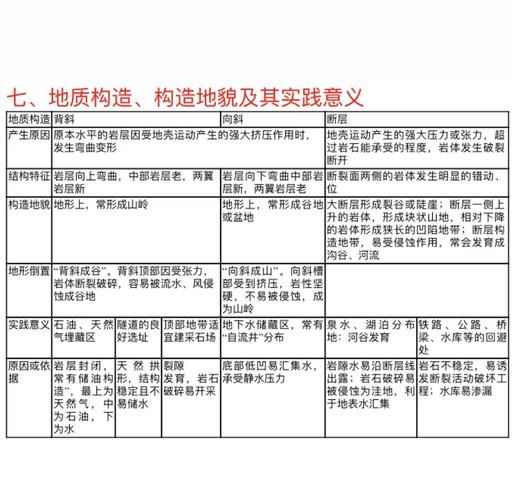
- geology - wikipedia, free encyclopedia
[geology] the various functions that contribute to the changing and developing material composition, structure and surface form of the crust are collectively called geological. The geological effects are caused by geological forces. The energy that generates the geodynamics comes from solar radiation, sun and moon gravity, earth rotation, gravity and radioactive elements mutation. Depending on the main part of the activity, it can be divided into two basic types of internal and external power geological activity。
[inner power geology] is also referred to as internal power geology or internal geology. This means that the power generated by the energy of the earth's rotation, gravity and radioactive element variability deep in the earth's crust is called internal power geology. It's like tectonic motion, magma activity, earthquakes and deformation. It not only complicates the inner structure of the earth's crust, but also increases the rise and spread of the surface。
— the great geology
Summarizing:
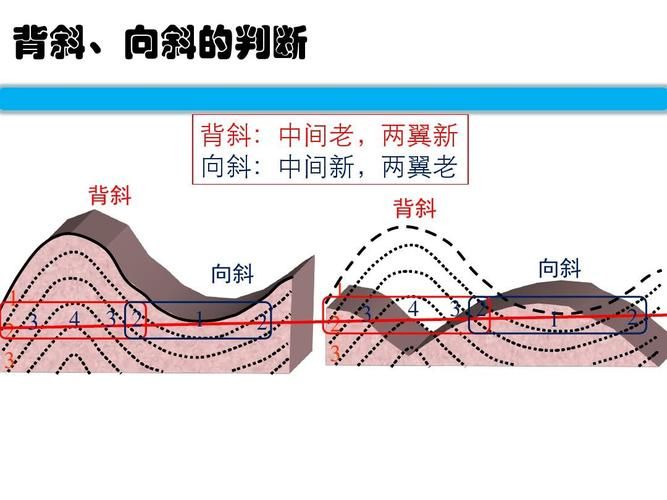
1 constructive motion and tectonic function are essentially the same
(b) tectonic motion, which normally refers to the movement of the crust, which affects the entire crust, including granite-deforming and basal rock formations
3 the abbreviation structure of the geological formation, which is the sum of the form of the various components of the crust or rocky circle and the manner of their integration and description
The tectonic movement is the internal dynamic geological function of the geological function。