Photo-sensor is a key element in the pv conversion of various pv detection systems, and it is a device that transforms the light signal (infrared, visible and ultraviolet radiation) into a telecommunications number. It can be used to detect non-electricity, such as light power, light light, radiation temperature, gas composition analysis, and other non-electricity, such as the diameter of parts, surface roughness, reaction, bit shifting, vibration, velocity, acceleration, and the shape, working status of objects. Optical sensors typically consist of three components: light sources, optical circuits and photovoltaic components。
Composition of optical sensors
In general, pv sensors consist of three components: transmitters, receivers and detection circuits。
The transmitter is directed at the target launching beams, which are generally derived from semiconductor light sources, leds, laser diodes and infrared-launched diodes. The beam is launched without interruption or changes the pulse width. The receiver consists of pv diodes, pv triodes, and pv batteries. In front of the receiver, there are optical elements such as lenses and radiums. Behind it is the detection circuit, which filters out a valid signal and applies it。
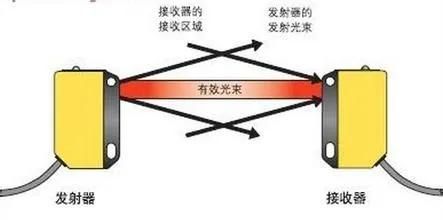
Optical sensor working principles
The pv element is the most important component of the pv sensor and its core working method is different types of pv. Based on the wave-particle diaphragm, light is made up of photons that move at light speed, and when the object is exposed to light, the internal electron absorbs the energy of the photons and changes its own electrical properties, known as photoelectric effects。
Depending on variations in the state of electrical properties, photoelectric effects are divided into the following four categories:
1) exterior photoelectric effects
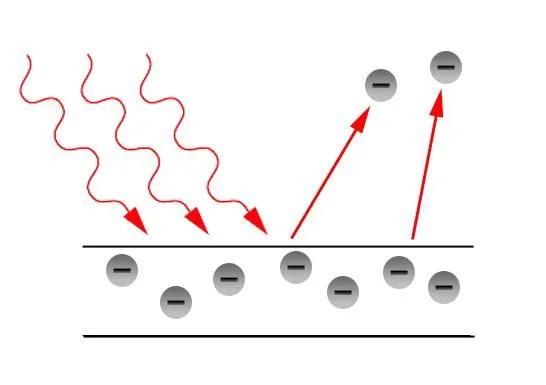
The phenomenon of ejecting the surface of an object by light is referred to as the exterior photoelectric effect. Photoelectric elements based on external photoelectric effects include pv tubes, pv multiplication tubes, etc。
2. Optical conductivity
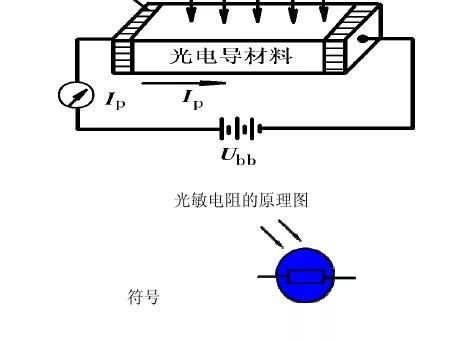
The electron absorption of photons in the semiconductor body cannot eject the semiconductor, leading to a change in the electrical conductivity of the object, or a phenomenon that produces pv dynamics is called internal photoelectric effects. The internal photo-electric effects can be divided into photo-conductive effects and photovoltaic effects according to their working principles. Photoelectric elements based on photo-conductive effects are photo-sensitive resistance, photo-sensitive transistors, etc。
3) optical vodka effect
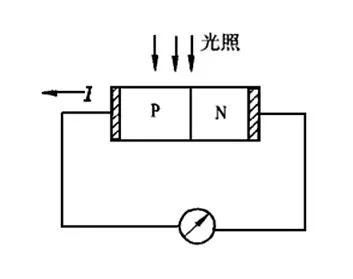
In light, the phenomenon of the object producing electrical motion in a certain direction is referred to as the photovoltaic effect. Photoelectric elements based on the photovolt effect are photocells and photo-sensitive diodes, triodes, etc。
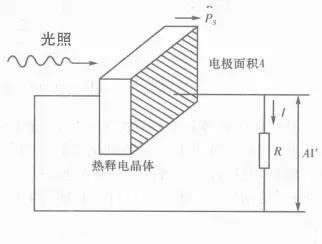
4) thermal discharge:
When thermal electrical material is exposed to infrared light, etc., the surface temperature increases or decreases, the surface produces a charge phenomenon。
Examples of applications of photovoltaic sensors
1. Application to laser weapons
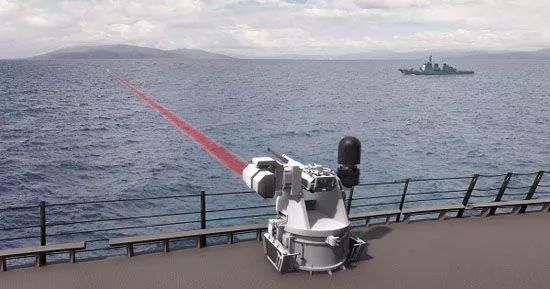
Optical sensors are more vulnerable to laser attacks because they are sensitive to infrared radiation, or to visible light, or both. In addition, electronic systems and sensors themselves are highly vulnerable to thermal and electromagnetic noises produced by lasers and are unable to function normally. Laser weapons on the battlefield attack optical sensors in a number of ways, inter alia, by “blinding them” with laser beams of appropriate energy, preventing them from detecting or continuing to track detected targets. Or if the sensor is directing the weapon towards the target, blinding it will render it untargeted. In summary, since sensors play an increasingly important role on the battlefield and are vulnerable to laser attacks, they have become the preferred targets for low-energy laser weapons。
2. Application to automatic copying systems
With the development of microelectronics, sensor technologies, computer technologies and modern communication technologies, optical sensors can be used to develop automatic copying systems. Aluminium disks of the electro-mechanical meters are rotated by the rectangular drive generated by the vortex and magnetic field. The conversion of aluminium discs to pulses is possible by the application of optical sensors. For example, local blacking on the rotating light-lighted aluminium disk, which is then fitted with a reflector-photo-jet-received tube, when the aluminium disk is rotated, pulses are generated at the local black-painted area, and the conversion of the spin-off sample of the aluminium disk to the corresponding pulse number can be performed by counting the t0 port at the pv. The use of pvids effectively prevents interference signals from entering micromachines. Combined with other modes of transmission, automatic copying systems can be developed。
3. Use to monitor soot pollution
Optical sensors are a small electronic device that detects the light power changes that it receives and achieves control functions by converting changes in light intensity into changes in telecommunications. Because of the non-contact, responsive, reliable performance characteristics of the optical sensor, it is widely used in industrial automation devices and robots, and we can use the characteristics of the optical sensor to detect soot, so that the strength and weakness of the output signal of the optical sensor can reflect changes in the flue density。
Pv sensors play a vital role in life with their powerful function and a wide range of applications, and they can be seen in our ordinary lives with more attention。