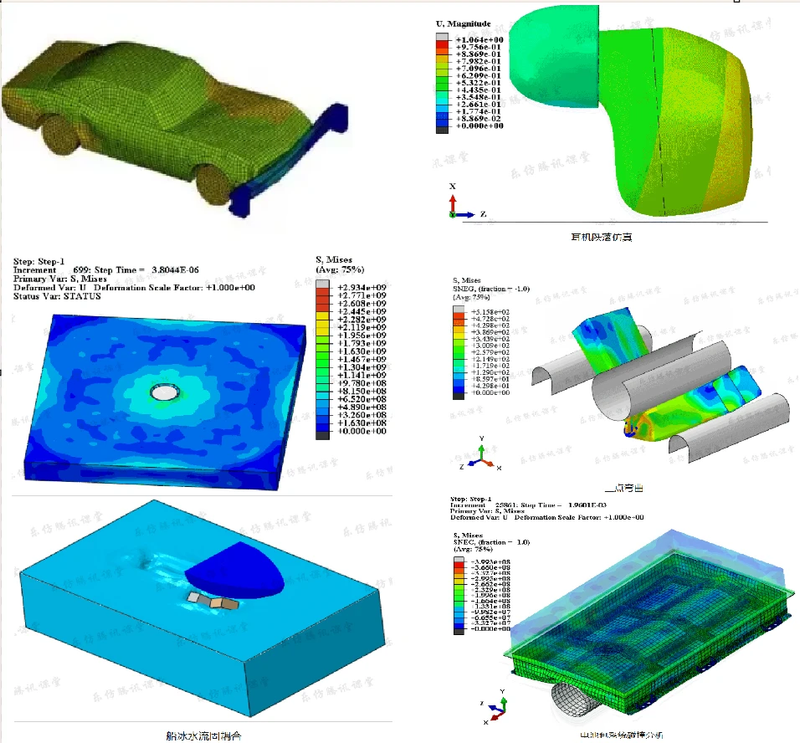
The purpose of this paper is to provide a systematic ansys introductory guide for beginners to help you build a complete knowledge system around core simulation processes, from geometric model processing, grid sorting, solver settings to post-result processing, and combining thermal analysis, transient dynamics, etc. At the same time, a series of high-quality learning resources will be recommended to help you move steadily along the simulation path。
Video courses & model materials & books can be collected by assistant teachers
No rice

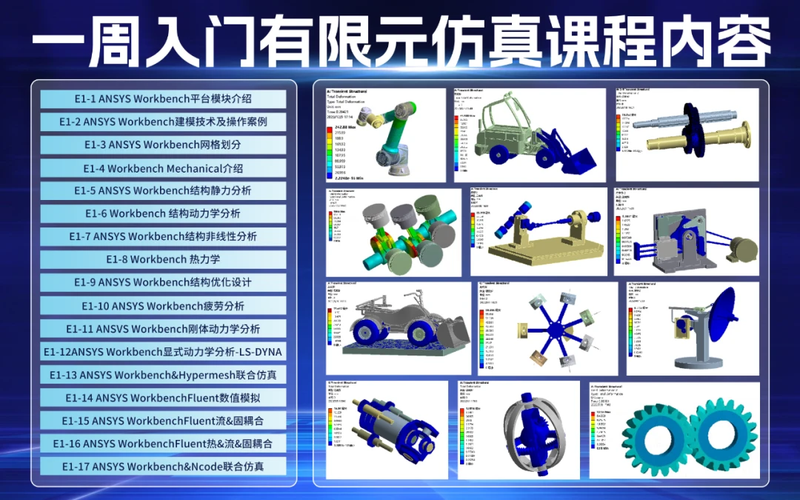
Introduction to core modules: a full process overview
The complete limited meta-analysis follows the " preprocessing - solving - post-processing " path and requires geometry, grid delineation, parameter setting, and interpretation of the results, with direct impact on imitation accuracy and success。
1. 1 geometric modelling
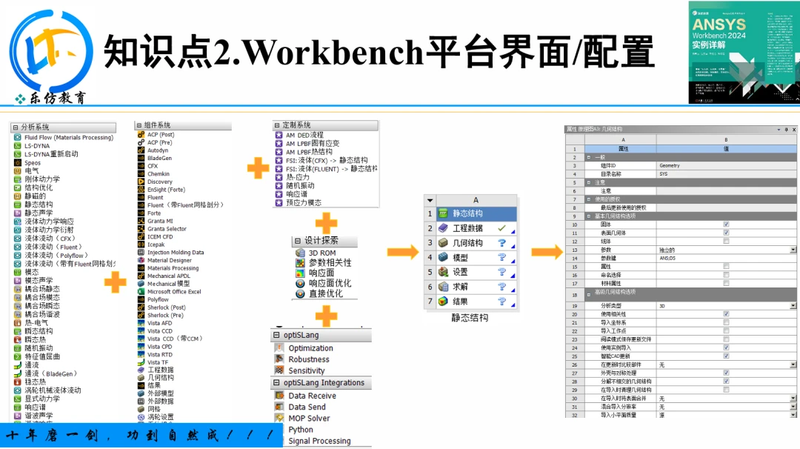
Geometric models are simulation building blocks that need to be imported, simplified and repaired in design modeler (dm) or spaceclaim。
1. 2 grid classification
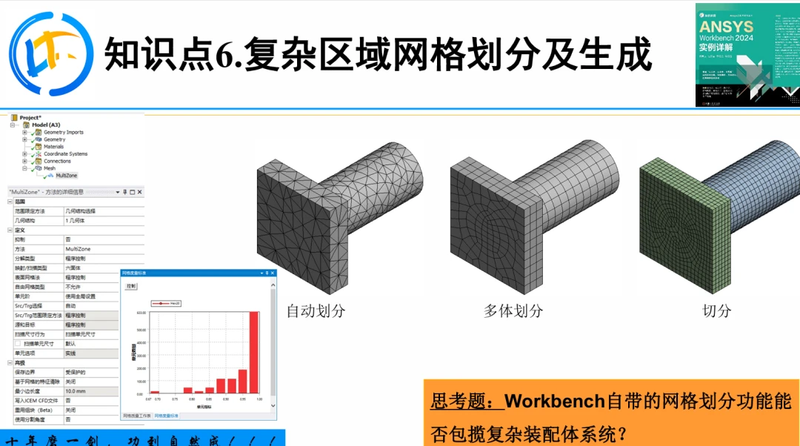
Griding is a bridge between geometric models and mathematical solvency and is one of the core elements of a limited meta-analysis. It combines the continuous geometric fragmentation of limited units (elements) and nodes, thus transforming complex nuanced equations into linear algebra solutions. The quality and density of the grid directly determine the accuracy and costing of the simulation results。
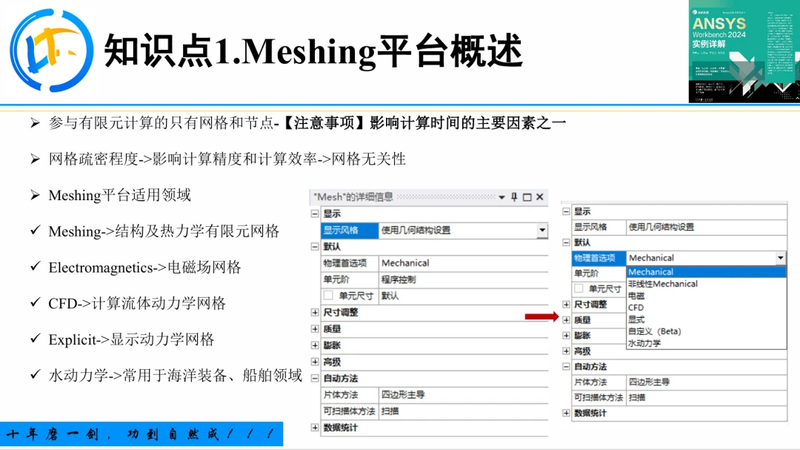
For beginners, it is proposed to start with automatic grid classification, to learn and master the characteristics of local size control and different grid classification methods to respond to more complex simulation needs。
1. 3 material properties and boundary conditions
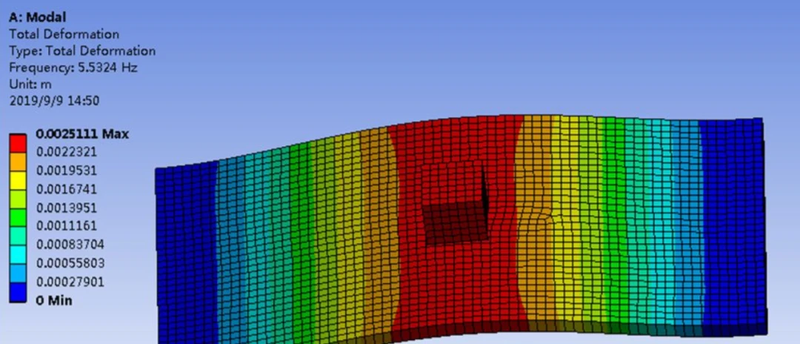
Following the completion of geometric modelling and grid disaggregation, the key next step is to give the model real physical attributes and to define its exposure and constraints under actual conditions. This step is a bridge between virtual models and the real world, whose accuracy directly determines the credibility of the simulation results。
1. 4 solving settings and calculations
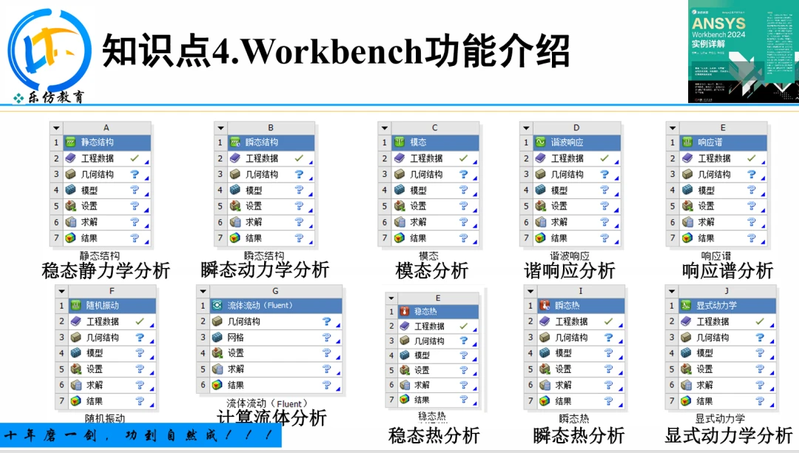
Once all the pre-processing phases have been completed, the resolution phase is in place. The core task of this phase is to configure the solver and start the computation process. While most computing is done automatically by software, users need to make a series of key decisions, such as selecting the appropriate type of analysis, setting the solver parameters, which will directly affect the efficiency of the calculations, the consolidation and the accuracy of the results. A reasonable solvency set-up allows the calculation process to be smooth and fast enough to solve correctly, while an inappropriate set-up can lead to a calculated spread, excessive length of time and even erroneous results. Understanding the meaning of the parameters in the solvency setting and adapting them to specific issues is therefore a necessary skill for a simulation of engineers。
1. 5 post-result processing
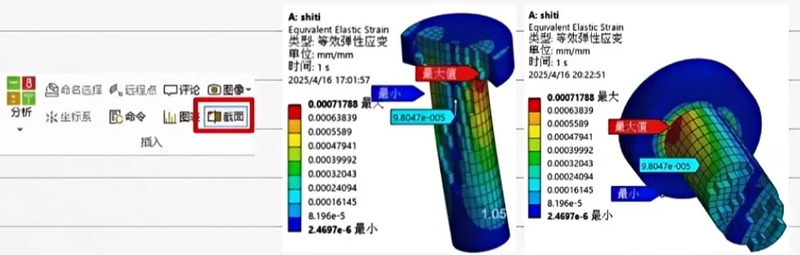
The extraction of valuable information supports engineering decisions。
The mastery of reprocessing techniques is a key step in the transition of simulation engineers from “operating software” to “analyzing solutions”。
The extraction of valuable information supports engineering decisions。
2. 2 amplitude dynamics analysis
Simulation of responses under dynamic payloads takes into account inertia and resistance effects and allows simulation of the true behaviour of structures in dynamic events such as shock, collision, vibration, etc. Engineers can assess dynamic performance, fatigue and safety by predicting the response of the structure under the dynamic load, shift, speed, acceleration, etc。
2. 3 optimizing design modules
Automation for excellence, balancing performance with cost. For beginners, understanding parameterization modelling, defining design variables, state variables and target functions are key to optimising design。
3. Learning resources and progress recommendations
Use these resources to help you get to the door quickly and continuously upgrade your simulation skills in practice。
3. 1 official and community resources
3. 2 recommended books
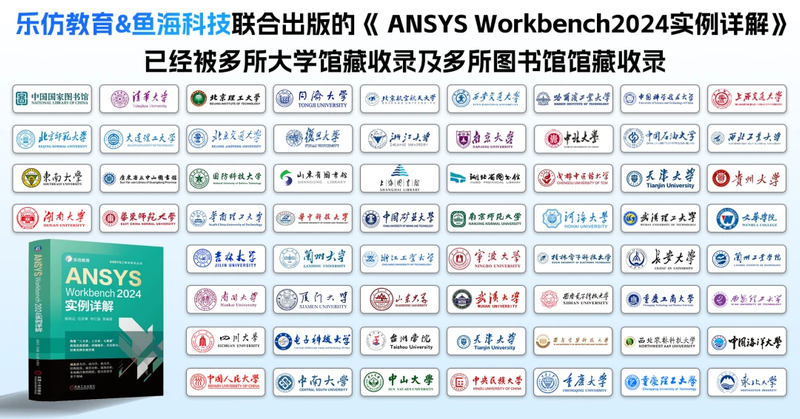
Video courses & model materials & books can be collected by assistant teachers
No rice