


Design of integrated irrigation systems for apple fertilizers and assessment of their economic benefits
Sun ken yong
Integrated water fertilizer technology, as an important innovation in modern agriculture, is important for resource efficiency and the upgrading of agricultural products by combining irrigation with fertilization organics to achieve a precise supply of moisture and nutrients. The technology originated in water scarcity areas such as israel, and gradually spread to the whole world with the modernization of agriculture. In our country, integrated water fertilizer technologies have been widely applied, especially in cash crops and fruit tree cultivation. However, as an important economic fruit-planting area in the country, the apple garden still faces problems of waste of resources and inefficient management of irrigated and fertilized trees, and there is an urgent need to optimize management strategies. The application of hydro-fertilizer integration techniques in apple gardens has not only improved the efficiency of hydro-fertilizer use but has also significantly improved apple production and quality, but due to regional differences, technology diffusion and other constraints, further research and refinement are needed。
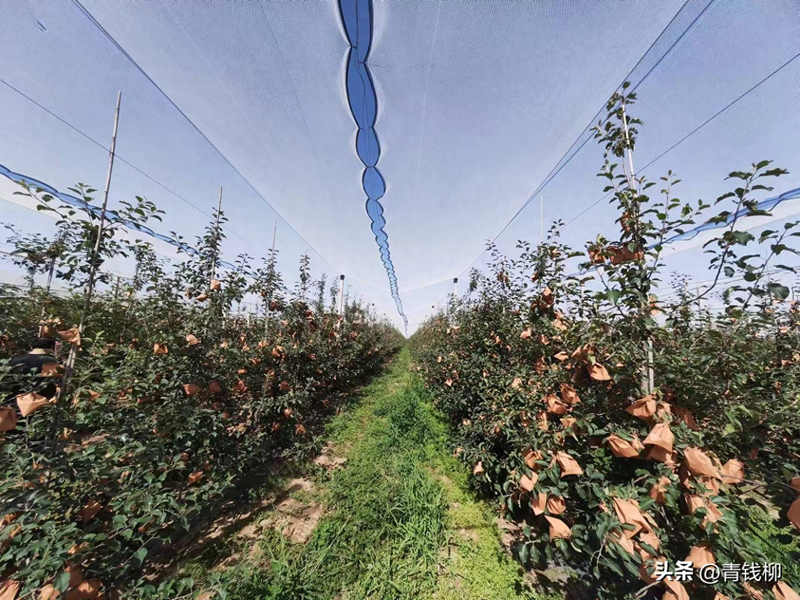
1 design of an integrated irrigation system for apple fertilizers
1. 1 design principles
The principle of efficiency in water conservation requires apple garden water fertilization integration systems to deliver water directly to crop root areas through drip irrigation or micro-jet irrigation techniques, increasing irrigation efficiency to more than 95 per cent, while reducing water waste due to evaporation and deep leakage, monitoring real-time feedback from sensors through soil water content, precisely controlling the amount of irrigation at 30 to 50 metres per hectare, ensuring that growth needs are met while water is conserved. The principle of accuracy requires that the application rate be adjusted according to the apple tree growth cycle, such as long-term nitrogen fertilizer, which accounts for 50 per cent of total fertilizer application, an increase to 40 per cent in the rate of potassium fertilizer during the fruit boom, precision feeding per tree root by means of fertilizing plants in the quints, and a reduction in fertilizer waste, which is reported to be 40 per cent of the total fertilizer application. The environmentally friendly principle seeks to ensure water quality below 0. 5 ntu by filtering and to prevent groundwater pollution by reducing nitrogen loss by 30 per cent per year by a reasonable irrigation frequency, and to reduce the environmental burden of operating systems by using corrosive tubes。
1. 2 main components
Water and water supplies need to be provided with an 0. 02 mm filter of sandstone filters and automatic back-washing devices to ensure the cleanness of surface water or underground water, to be delivered to the park areas at a 50 m-3 flow pump per hour to ensure a balanced supply of water within a 30 m gap. Fertilizer solution and delivery units employ a 1,000-litre soluble tank, capable of treating 20 kg of solid fertilizer or 10 litres of liquid fertilizer at each time, mixed at 1:200% by fertilizers in the dunes and evenly delivered to the irrigation pipe network, with fertilization accuracy controlled at > 5%. The irrigation control system is equipped with an intelligent management terminal, with remote operation to set the length of irrigation, the rate of fertilization and the irrigation area, and the controller is able to collect soil moisture and conductivity data in real time and automatically adjust the irrigation frequency. The soil and plant monitoring system is equipped with 10 wireless soil sensors and 5 leaf evaporation rate monitors with a precision of 2 per cent and 5 per cent, respectively, to provide accurate data support for system operations。
1. 3 key design elements
The design requirements for irrigation vary significantly from one soil type to another, for example, sandy soils with a penetration rate of 50 to 100 mm per hour, irrigation with intermittent water supply and leakproof pipes to reduce fertilizer loss, while clay soils with a penetration rate of only 10 to 20 mm per hour, need to reduce single irrigation to 15 m3 per hectare to prevent water accumulation. The demand for hydro-fertilizers varies from one apple to another, for example, fuji apples need up to 60 m3 per hectare during the expansion of the fruit to 10 kg per week of potassium fat, while gala apples need less water than 40 m3 per hectare, with an additional 2 kg of phosphorus fertilizer to improve the quality of the fruit. The landscape and climate appropriate design needs to be adapted to the actual conditions of the park, such as pressure-added pumps and plug-tip drops in mountain areas with a pressure of 0. 6 mpa at slopes greater than 15°, and an additional 150 m3 capacity of water storage tanks and rainwater harvesting systems in arid areas with annual precipitation of less than 400 mm。
2. Application of apple garden water fertilizer integration
2. 1 impact on apple production
Integrated management of water fertilizers has significantly increased the production of apple gardens, and the nutrients and nutrients that each tree needs in the long term are fully protected through precision water supply and scientific fertilization. In a number of experiments, apple gardens with hydro-fertilizer integration technology increased by 20-30 per cent, from 30 tons/ha to more than 36 tons/ha. At the same time, there has been a significant improvement in the rate of quality fruit, which is around 60% under the traditional irrigation formula. The increase to more than 80 per cent, especially single fruit weight, colour parity and fruit index, is due mainly to a reduction in water coercion due to the precision of drip irrigation, and to the rational application of fertilisation, which optimizes the ratio of nutrients, increases the cooperation of apple trees, and increases the yield of fruits. Especially in high-quality varieties such as fuji apple and galapagos, water-coup integration technologies have led to a 30 per cent increase in the ratio of commercial fruit and fruit, leading to a significant increase in the economic efficiency of parks。
2. 2 impact on fruit quality
Integrated management of hydrofertilizers has had a significant impact on the quality of apples ' fruit, especially on key indicators such as sugar acid ratio and hardness. Following the application of hydrofertilizer integration techniques, the sugaric acid of fuji apples increased from 14:1 under traditional management to 18:1 and the hardness of fruit increased by 15 to 20 per cent, reaching an average of 8. 5 kg/cm2. Precision irrigation and scientific fertilisation provide balanced moisture and nutrients for the fruit, resulting in a significant increase in soluble solid matter content, while acidity is maintained at appropriate levels, thus increasing the taste and taste of apples. In addition, a reasonable formulation of potassium nitrogen phosphorus makes the fruit-coated velvet more colourful, with a tighter structure of fruit, and increased storage tolerance. In particular, at the age of the apples, by controlling the frequency of irrigation and the concentration of fertilizers, it was effective in avoiding the nutritional imbalance between the figs and the fruits, which greatly increased the market competitiveness of the apples。
2. 3 effects on the soil environment
The integrated water fertilizer technology, through scientific regulation of the water and nutrient supply, has significantly improved the soil environment of apple gardens, particularly in terms of soil nutrient content and salinization control. According to the study, the application of hydro-fertilizer integration techniques has resulted in an increase in the effective nitrogen, phosphorus and potassium levels in soils by 20-25 per cent, as well as an increase in soil organic content, which has effectively improved soil fertility. Reasonable irrigation frequency and fertilization concentrations avoid the appearance of loss of nutrients from traditional fertilization methods and reduce soil acidification and compaction risks. In addition, in areas with more salinization, the control of single-irrigated water through drip irrigation techniques, which is only 20-30 metres per hectare, has effectively reduced the accumulation of salt on the surface of the soil and reduced the salinity concentration to 0. 3 per cent, resulting in significant improvements in the root environment。
2. 4 impact on resource efficiency
The integrated water fertilizer technology has significantly improved the resource efficiency of apple gardens, particularly with regard to water resources and fertilizer use. Compared to traditional irrigation methods, integrated water fertilizer technologies have increased water resource efficiency by 30 to 50 per cent, reducing water use per hectare from 5,000 to 3,000 metres, while apple production has continued to grow, fully reflecting water conservation. With regard to the efficiency of fertilizer use, nitrogen loss and phosphorus fertilizer fixation have been reduced through precision fertilization techniques, and fertilizer utilization has increased from 35 to 40 per cent in traditional ways to over 80 per cent, saving more than $1,000 per hectare per year. In addition, the automated control system regulates the frequency and concentration of fertilization according to the demand for apple tree growth, avoiding excessive application and waste under the general application method, while significantly reducing the contamination of agricultural surface sources。
3 economic benefits of an integrated irrigation system for apple manure
3. 1 cost inputs
Cost inputs to integrated irrigation systems for water fertilizers include, inter alia, system construction and maintenance and technology extension and training costs. The cost of building the system varies according to the size and terrain of the apple garden, with initial construction costs ranging from 15,000 to 20,000 yuan per hectare, including the cost of installation of pipes, drip irrigation, fertilizers and smart control systems. In addition, the main collection of maintenance costs for the operation of the system consists of equipment maintenance and replacement, such as drip irrigation, which is required to replace 5 to 10 per cent per year, at a maintenance cost of approximately $500 per hectare. In order to maintain the long-term stability of the system, equipment will also need to be regularly inspected and cleaned up, such as the maintenance of filters on a quarterly basis at a cost of approximately $200 each time. The cost of technology extension and training is an important component of the system's outreach, and normally a one-time training fee of about $5,000 per apple garden is spent mainly on skills development and system use guidance for operators. Despite the high upfront investment, the efficiency gains of the system at the end of its operation are significant, with long-term economic benefits for apple owners。
3. 2 assessment of benefits
The direct economic benefits of integrated irrigation systems for water fertilizers are reflected in increased apple production and quality. Following the application of the system, total apple production grew by an average of 20-30 per cent, with an additional gain of approximately $43,000 per year, calculated at 36 tons per hectare per year and a sale price of $6/kg. In addition, the high-quality fruit rate has increased to more than 80 per cent and the price of commodity fruit has increased by 10 to 20 per cent, further increasing economic returns. Indirect economic gains include water fertilizer, resource savings and reduced labour costs. Through precision irrigation and fertilization, water is saved about 2,000 m3 per hectare per year, water is saved about 1,600 dollars, fertilizer utilization has increased from 40 per cent to 80 per cent, and fertilizer is saved about 1,000 dollars per year. At the same time, the application of the self-mobilization system has significantly reduced the cost of irrigated and fertilized time, with an average annual reduction of about $3,000 per hectare. A comprehensive assessment of the total economic benefits of the integrated hydro-fertilizer system to apple gardens of over $50,000 per year has not only maximized economic benefits but also contributed to sustainable agriculture。
Conclusion
The integrated technology of water fertilisation, through precision water supply and scientific fertilization, has not only improved the yield and quality of apple gardens, but has also improved soil environment and resource efficiency. In particular, the savings of 30 per cent to 50 per cent in water use and the increase in fertilizer utilization to over 80 per cent are now remarkable and have significantly increased the economic efficiency and sustainable development potential of apple gardens。



