A power amplifier means a transistor that works in its magnification area throughout the signal cycle when the input signal is small, with a current channel angle of 180 degrees, applicable to small signals with a low frequency power magnification and static work points at the midpoint of the load line。
Two (or two groups) transistors in the a cl output stage remain in conductivity forever, that is to say, they maintain transmission currents regardless of whether a signal is entered, and equal to the peak of the communication, at which time the communication flows into the load with the maximum signal. When there is no signal, the currents of the two transistor tubes are in circulation in equal quantities, so there is no imbalanced current or voltage on the output centre point, so there is no current input into the speaker. When the signal tends to be positive, the output transistor above the line allows more currents to flow, while the output transistor below reduces the currents in relative terms, and, as the currents begin to be uneven, it flows into the speaker and drives the speaker to sound。
A power amplifier work point is near the centre of the load line. It is not efficient, but its distortions are often low and its design is simplest。
Advantages of a:
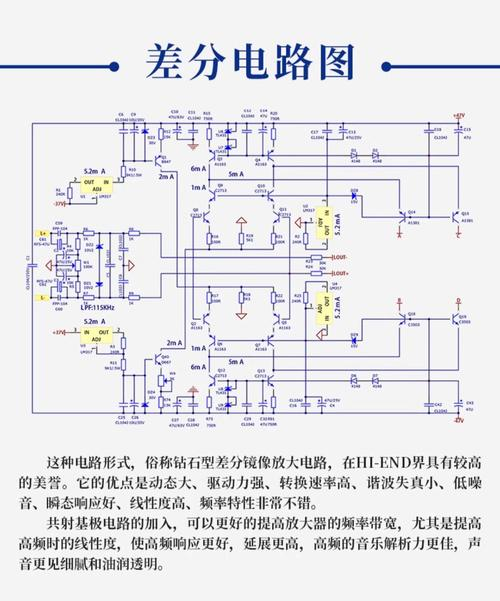
1. The advantages of amplifiers in category a are that non-transactional and switch distortions, and that in the amount of the concoction mass they are mainly occasional. Wires are simple, frequent loans, instantaneous distortions。
2. The sound of the sound is thick, the medium is soft and warm, the high is clear, the level is very sweet. Nor is it necessarily as good a sound as you think。
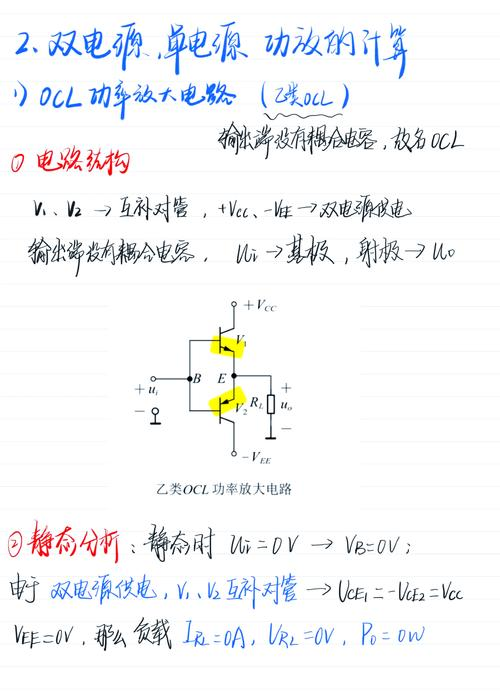
3. Negative current feedback is perfect for non-linear distortions and instantaneous distortions in any design of a power discharge circuits and has the desired magnification effect。
Shortcomings in category a:
Large power amplifiers are not widely used because of persistent high power consumption, inefficiency, heat susceptibility and high heat dispersion requirements. The long-term operation of the device at high temperatures of large currents can give rise to problems of reliability and longevity。
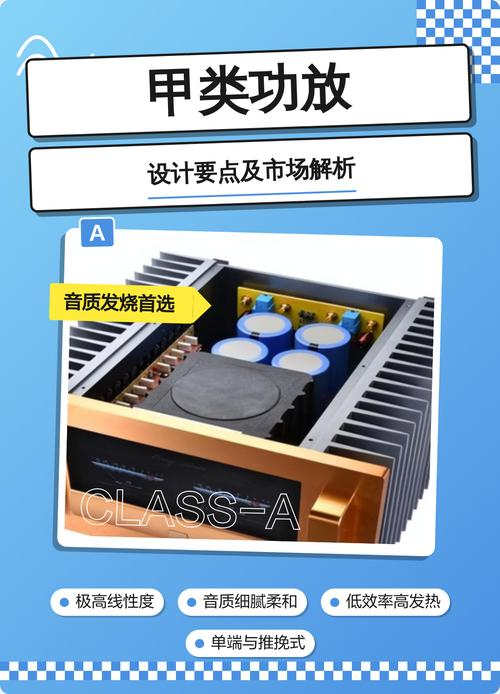
As a result of the high cost of the entire machine, the manufacturers that are known for manufacturing the a-power amplifiers have largely ceased producing the transistor-a-power amplifiers。
Recommended for reading: http://www. Elecfans. Com/video/20180429670131. HTML