The water from the electric hotpot is poisoned? Words fly, but what is the truth? Let's get this straight today。
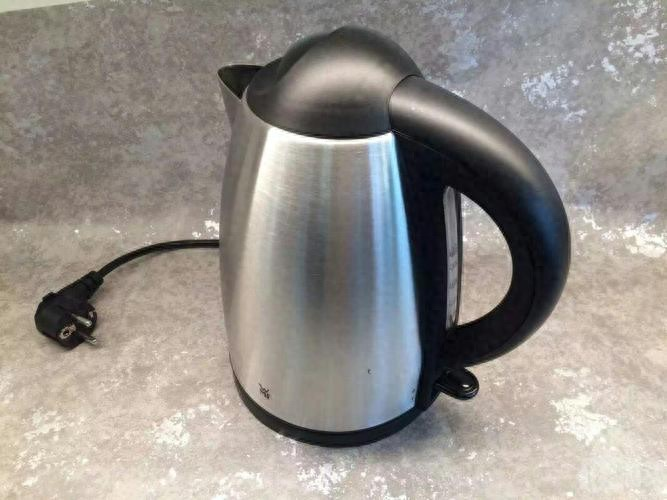
A pot of water. How big is it
The electro-heat kettle is boiled, essentially by the household. Quick, easy, easy, make a cup of tea in the morning, wash milk powder in the evening, all on it。
However, there is an increase in the number of voices on the internet about “the inability to drink water from electric hotpots”, with some saying that the kettle heats heavy metals, others saying that repeated burning of water produces nitrites, and others expressing concern that plastic kettles are carcinogenic。
That sounds scary, but are they all true
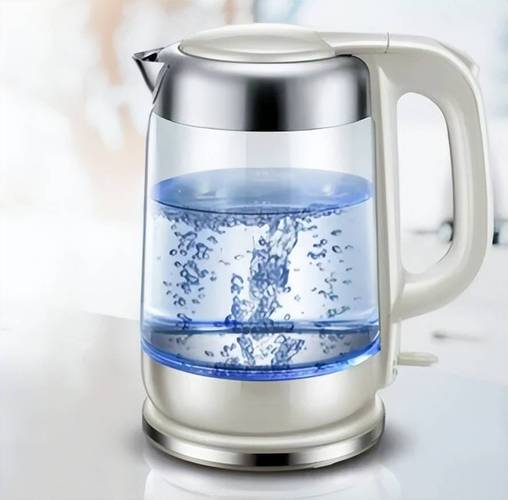
"the repeated burning of water causes cancer"? Don't get scared
"water cannot burn repeatedly, producing nitrite," you must have heard. It is true that nitrite over-ingestion is toxic to humans, but during normal household water combustion, nitrite levels are extremely low and far from causing bodily harm。
Professor fan zhihong, school of food sciences and nutrition engineering, agricultural university of china, has made it clear that repeated burning of water, even with nitrite, is well below national drinking water hygiene standards and is unlikely to reach a toxic dose。
Therefore, the home electric hotpots burn repeatedly, and as long as the water is clean and the kettle is not different, it does not cause cancer。
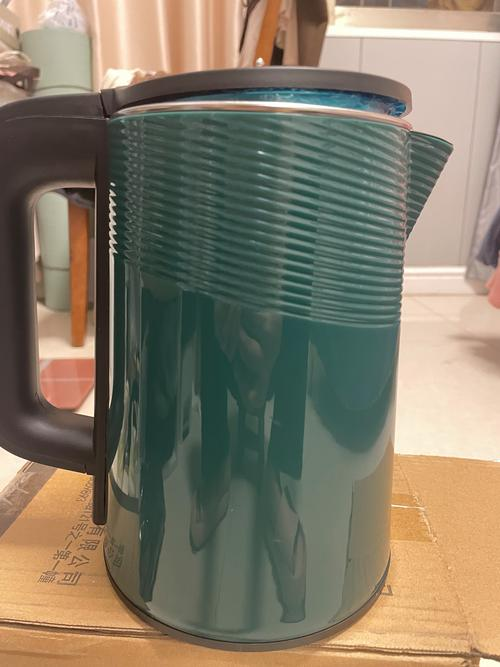
"metallic canteens drink heavy metal"? The material is the key
Some fear that stainless steel electric hotpots will dissect metals such as lead, chromium, nickel, etc。
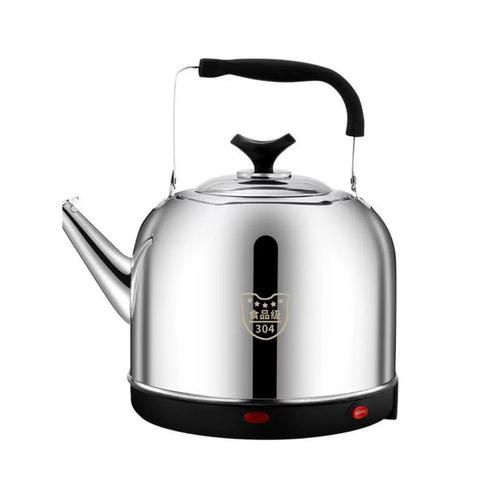
It's not completely unreasonable, but the key is what stainless steel is used. National standards clearly state that the gall inside the electric hot water kettle should use food-grade 304 stainless steel, which is very stable at high temperatures and does not easily dissect harmful substances。
There is a real risk of poor quality products or “three-nil” appliances, which may use poor quality steel or aluminium for internal urchins, which may lead to metallic dialysis problems。
As a result, branding and national certification are accepted at the time of the selection, the pots are regularly checked and others are still worn out。
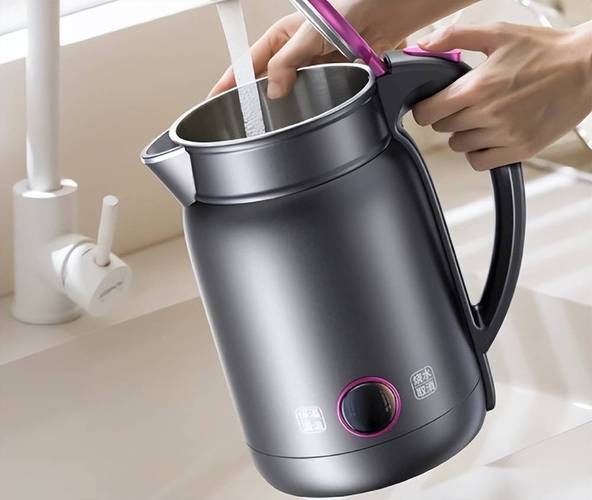
"purple canteen burning water toxic"? These things do have to be careful
The plastic kettle sounds less reliable, especially when it's colored and smelly。
Plastics may indeed release chemical components such as binol a (bpa) at high temperatures. While plastic components of qualified products use high-temperature food-grade materials that are not theoretically hazardous to transport, the risk increases when high-temperature aging and scratching wears。
If your plastic canteen starts to turn yellow, or has a visible plastic smell, don't hesitate to change it。
Recommendation: to the extent possible, select the gallant electric hotpot within 304 stainless steel to avoid the use of full plastic pots。
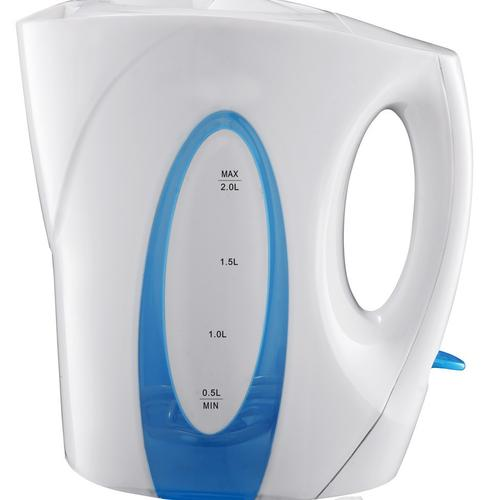
"thousand rolling waters", can you drink it
When it comes to electric hotpots, there are two “talented” slots that cannot be bypassed: thousands of rolling water and overnight water。
The term “rolling water” refers to water that has been heating up over and over again; the term “night water” has burned the rest of it all night。
Studies suggest that nitrite levels in both types of water do increase slightly, but are far from toxic. Ccdc has stated that it is not a problem to drink overnight water as long as the water is sanitary, the containers are clean and stored properly。
Of course, if the water is in the pot for two or three days, even with the smell and the dirt, don't hesitate — fall down, don't feel bad。
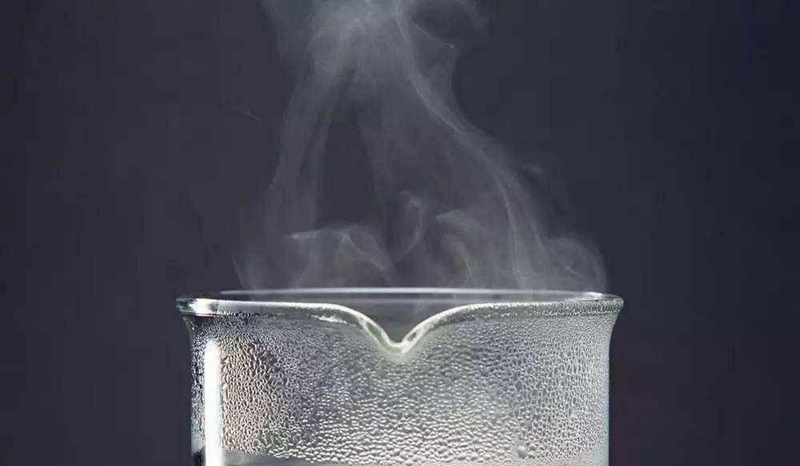
"aqueous like poison"? It's not that bad
In some places the water quality is rigid, and the water can easily accumulate in the electric hot pot. The main components of the water is calcium and magnesium carbonate, which are not harmful to humans。
However, too many piles of water can affect water burning efficiency and can become a “hotbed” for bacteria. It is therefore recommended that the pot be cleaned every once in a week or two and that it be heated with water with white vinegar, so that it is easy to go after a little bubble。
Don't listen to the "creature of water" "crush of water to make people stupid," and that's a scary story with no scientific basis。
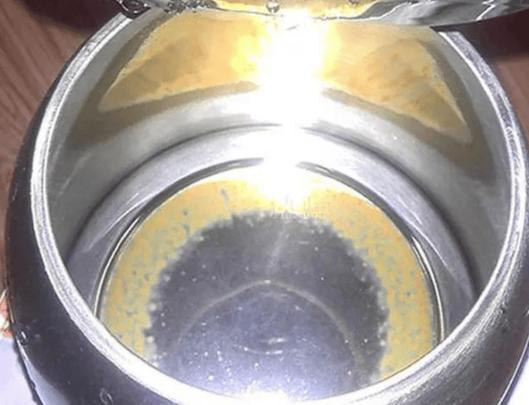
The water's at the top of the entrance. The pot's better
The electro-heat kettle is not in itself terrible; it is feared that we have ignored small details。
For example, some people prefer to cook chinese medicine, milk, eggs with electric hot pots ... It sounds convenient, but these do not recommend imitation。
The electro-heat kettle is recommended only for drinking water, not as an all-power pot。
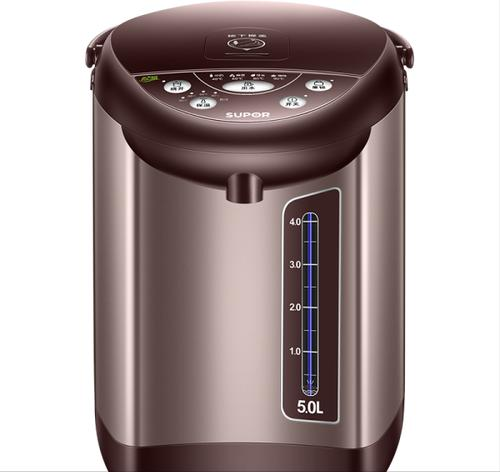
There's a way to pick a pot. Don't look at the outside
Buying a hot kettle, many looked at prices and appearances and ignored the most critical “inner”。
Get the kettle right, remember that:
Materials: choose the urchin of 304 stainless steel and reject "unmarked" unknown material。
Smell: when the new pot is first used, burn water several times to see if it smells different。
Branding: select products produced by formal manufacturers to avoid three products。
Check for certification: see if there are signs such as cc certification (compulsory product certification in china)。
Don't buy the poison pot cheaply, it's you who's hurt。
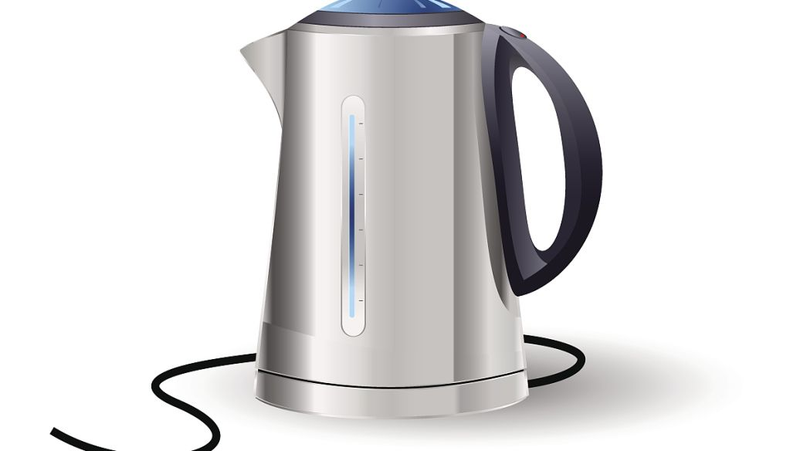
Drinking water is important. Health starts with the pot
Water is something that we can't keep away from every day。
But many people are too casual about the matter of burning water. One with the wrong hot pot, one with the wrong usage, maybe you feel nothing, for a long time, but you may bury a health hazard。
The little thing about drinking water, hiding great wisdom。
So when you see this article, please tell your family: the electro-heat kettle is not inoperable, but it is chosen for the right, used for the right, and understood not as a “one-size pot”。
Summary
Does it have any effect on your body if you drink the water from the electric kettle
The answer is that long-term drinking does not affect health as long as the product is good, materials are safe and used properly。
What really needs attention is selection of quality, regular cleaning and proper use. If your family's still using the old kettle "older than your baby", it's time to change it。
References:
1. General directorate for the supervision of food and drug products. Technical guidelines for the assessment of the safety of food exposure materials and products.
Scientific interpretation of “thousands of rolling water”.
3. China centers for disease control and control. Questions and answers on drinking water safety. Published in 2020.