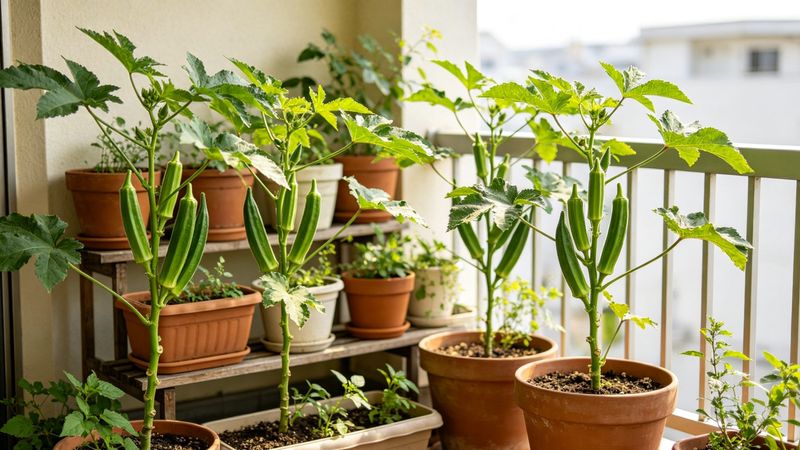
Peas, as a one-year herbivores with food and feed values and a strong nitrogen-fixing capacity, improve soil fertility and are crop-oriented and of high quality。
High productivity and high quality can be achieved either by scaling up daejeon cultivation or by making the balcony attractive, and by mastering a variety of appropriate and precise management techniques。
From the dimensions of variety classification, territorial suitability, planting techniques, pest control, etc., the paper dismantles the entire process of pea cultivation and helps growers to make less of a turn
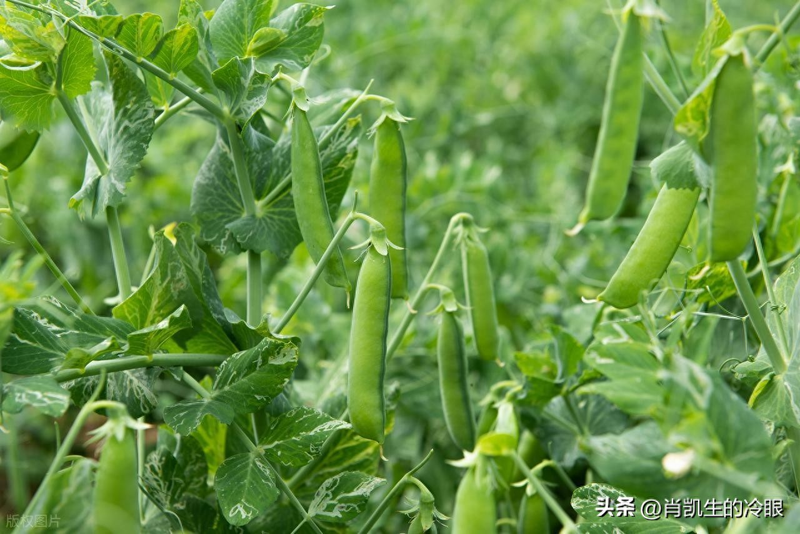
Peas
1. Main categories of peas (by use + pattern)
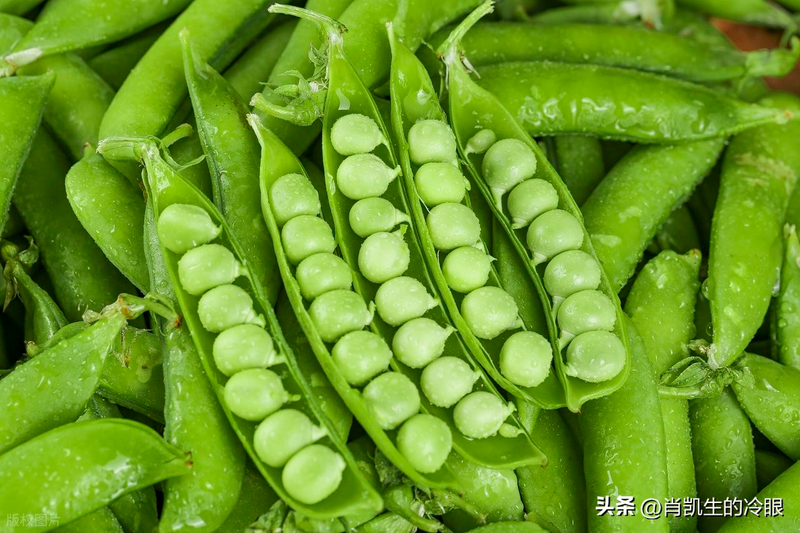
Peas
2. Peas for food (predominantly dry beans, widely used)
Characteristics: bean bean is hard, matured and dryed off grains, full of seed grains, rich in starch and proteins, which can be processed into pea powder, pea face, or used as feed or food reserves. Representative species: gansu “white peas”, inner mongolia “green peas”, qinghai “smug peas”
3. Peas viewing (specially for garden beautification)
Characteristics: small vines, rich in flowers (red, pink, white, purple, etc.), beautiful in shape, suitable for climbing fences, sheds, with a visual value and a small amount of food value (some varieties of beans are fresh). Representative varieties: “papes” in the united kingdom, “dumpy peas” in japan
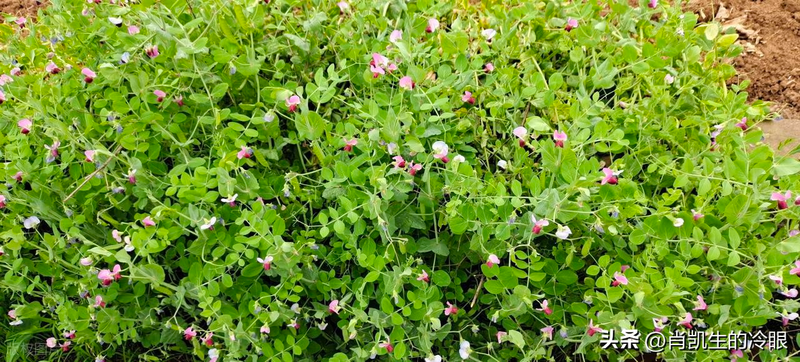
Peas
Ii. Preferential pea varieties throughout china
Peas are resistant to cold and heat, have the highest growth temperature of 15-20°c, and growth of more than 25°c is hampered
North china (beijing, tianjin, hebei, shanxi, etc.) east china (shanghai, jiangsu, zhejiang, anhui, etc.) south-west china (sichuan, guangxi, fujian, taiwan, etc.) north-west china (sichuan, chongqing, yunnan, guizhou, etc.) north-east china (xinjiang, gansu, ningxia, qinghai, etc.)
Core tip: at the heart of pea cultivation is “low-temperature buds, seeding at the right time, chicken-stamping, water control and flood control”, the control temperature (to avoid high temperatures), moisture (to avoid water accumulation) and nutrients (to reduce nitrogen and potassium phosphorus) are three key elements that can be selected by planting pattern, either seedling or live。
(i) plantation preparation and seedlings (live and supported by)
Peas seeds have a high hard-pressure rate and need to be treated prior to sowing to increase the gestation rate: 8-12 hours of immersion with 20-25°c warm water, leached and packaged with wet cloths, sprouts in the 15-20°c environment, wash once a day, and seeding can be done with about two to three days of seeding (beaks can sow directly without seeding)。
Soils and landscapes
The choice of well-drained, loose and fertile sandy soil or border soil, soil ph 6. 0-7. 5; conjunction, pretense avoidance of pulse crops (with a 2-3 year interval), preferably rotation with maize, wheat, vegetables, etc. Beneath-based fertilizer before planting: 2000-3000 kg + calcium per phosphate 30kg + potassium chloride 15kg per acre application, 25-30 cm deep till, drenched up (15-20 cm high) for drainage and flood control。
(ii) key points of field management
The chicken peas, most of which are grown with peas, need to be mounted around 30 cm, with bamboo poles, wires or nylons being used to build support structures at a height of 1. 5 - 2 m, to pull the vines to the frame, and to avoid scrowing leading to poor ventilation and pests. Short peas (some of which are food or sightings) are not mounted and can grow naturally。
Top of the whole
Peas experience high temperature (>25°c) or low temperature (four, pea common pest control (preventive, integrated management)
There are fewer peas and pests, with a focus on the prevention of pollinosis, root decay, aphids and leaf flies, in accordance with the principle of “agriculture first and pharmaceutical support” to ensure product safety:
1. Aphid 2. Leaffly 3. Powder disease 4. Root disease 5. Frost disease v. Key measures to increase pea yields are reasonably implanted: the density of chicken peas is adjusted to the characteristics of the species, with 15 to 22,000 peas per acre and 20 to 25,000 short peas per acre, which ensures a group ventilation and avoids the growth of disease through insulation. Science frame: the chicken peas must be mounted to ensure that the vines grow up straight, increase the cortex, and increase photolytic efficiency by more than 30 per cent compared to the scavenger growth. • timely harvesting: picks with peas (fruits) when they are full of nuts and green with fresh colours (10-15 days after flowering), avoiding later fibrosis of the walls; picks with peas at 15-20 cm long, with three to four consecutive harvests; and harvests with peas when beans become yellow and seeds mature. Artificially assisted pollination: when the shed is grown, due to poor ventilation and low natural pollination rates, the flowers can be used manually with a brush pen, or the bees can be released (1-2 boxes per acre), with an increase in the seating rate and condensation of the berries. Rotation land: peas have a strong nitrogen-fixing capacity and are able to dump straw into the soil in time for harvest, improve soil fertility, provide nutrients for the lower crop and reduce fertilizer use. Technical aspects of different planting patterns (i) large-scale open cultivation (sizing production) (ii) large-shed cultivation (anti-season cultivation) (iii) soilless cultivation (hydration/matrope, high-end cultivation) (iv) family cultivation (platform/garden, interesting cultivation) (vii), analysis of the pros and cons and recommended models of bean cropping
Peas have a strong nitrogen-fixing capacity and are the ideal crop for planting. A reasonable mix can increase land use and economic efficiency, subject to co-existence risks:
1. Mets with corn 2. Mets with potatoes 3. Mets with leafy vegetables (sprouts, spinach, oatmeal) 4. Mets with garlic/onions
It is recalled that the co-production of peas with soybeans, peas, beans and soybeans can lead to a reduction in the number of root tumors in the soil, an imbalance in nutrients, an increase in endemic diseases (e. G., root decay), an interval of two to three years between plantings, or the use of indoctrination (with wild peas as wood) to avoid associated risks。
Summary
At the heart of pea cultivation is the "climate fitness of varieties + accurate management of fertilizers + scientific control of insects and pests":
1. Use-based selection of varieties (fresh selection of dutch beans/sweet peas, processing of peas for food selection, viewing of short-lived species) and selection of suitable species in relation to geographical climate
2. Avoiding high temperatures (more than 25°c) during sowing periods, with field management focusing on drainage and flood control, chicken-laying and less nitrogeny potassium phosphorus fatting
3. Targeted adjustment techniques for different cultivation models (shelter temperature control, soilless cultivation control of nutrients, family planting of short-lived varieties)
4. Crops such as maize, potatoes, garlic, etc., are preferred in inter-cropping to increase land use and risk resistance。
Through scientific management, field peas acres can produce up to 1,500 - 2000 pounds and large sheds or non-earthed acreages up to 2,500 - 3,000 pounds, suitable not only for scale production, but also for family interests, as well as for high-quality crops with economic and ecological benefits。