Concrete is the most popular building material in the world. In fact, it is the second most used material in the world (with the highest water level). Almost every building involved concrete in one way or another and was used to build everything from highways to bridges and skyscrapers to parking lots. Concrete is resilient because it does not rust, rot or burn. Because of its durability, intensity and extremely long life, the use of concrete as a building material is essential for construction. What are the basic characteristics of concrete
The basic characteristics of concrete are fine and rough bones (such as sand and rocks or pebbles), portland cement and water. These three raw materials each perform different chemical functions in the formation of concrete, as portland cement is a water hard cement, which means that its strength comes from chemical reactions to water. When portland cement and water combine, there is a chemical reaction known as hydrate. Through this process, the slurry covers the bones and binds them together, obtains strength during hardening and produces concrete。
In the manufacture of concrete, the builder uses fine bones to increase volume, while crude bones provide the strength required to carry the load. Chemicals, known as additives, can also be added to concrete to make different types of mixtures。
How does concrete work
Before concrete is manufactured, the ratio of the three raw materials must be correct to ensure the strength and robustness of the mixture. The composition of concrete interacts with each other according to the respective percentages added and varies according to the type of concrete manufactured. However, the most common rates are:
♪ 10-15% cement
♪ 60-75% total
♪ 15-20% of water
The concrete mixing process began with the preparation of the portland cement mixture. Portland cement is made of calcium material (usually limestone) and grinds it to powder, then heated and burned it in a rotating device, turning it into a pebble material called clinker, and then grinding the clinker again until it is a shredded powder with cast。
Portland cement is prepared and mixed with bones, water and optional additives (different chemicals or materials that change the density and intensity of concrete). These components are well mixed in order to properly cover the bone with cement. When the materials are mixed, the cement is water-activated, covering the bone particles and obtaining strength during the hardening process known as hydrating。
16 common concrete types
One of the reasons why concrete is used to build so many different structures is its multifunctionality and how it is modelled into any shape or design required. However, there are many different types of concrete, which are used in all different types of structures. The following are 16 types of concrete and their use。
1. Condensation of ordinary strength land
Normal-intensity concrete or “ordinary” concrete is the most common type of concrete and its basic mixture is cement, bone and water. The mixed ratio of ordinary concrete is 1:2 (one cement, two bones, four water), but the amount of water used will depend on the humidity of the position and the required concrete density. General-intensity concrete is usually used on surfaces, family construction projects and buildings that do not require maximum tensile strength。
2. Solid concrete
Ordinary concrete is the simplest form of concrete. It is made of the same mixed proportions as general-intensity concrete, but there are absolutely no bars. It can be used to build structures that do not require strong resistance. Sidewalks and sidewalks are common uses of ordinary concrete。
3. Light concrete
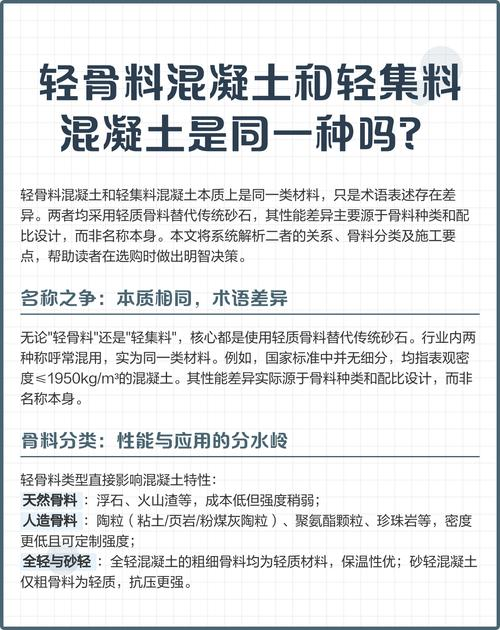
This type of concrete has lower density and higher water content than ordinary concrete. Light concrete is made of light bone material, such as marble, clay or pearl rock. Since the specific bone selection determines the density of concrete, light concrete is defined as any type of concrete with a density below 1920 kg/m3. Light concrete is used to reduce the total “self-esteem” of buildings to help prevent collapse, such as walls or floors。
4. Premix condensation land
Premix concrete is manufactured at the manufacturing plant and is then transported to the construction site using trucks equipped with mixers. It usually contains additives so that the cement does not become hard until it reaches the site and is ready to be poured。
5. Coagulation of polymers land
Polymer concrete is a concrete in which lime and shale-based portland cement is replaced by solidified and hardened polymer adhesives such as polyesters, epoxy mixtures, ethylene esters, acrylic resins or many different types of polymer resins. The target for polymer concrete depends on the type of resin used. For example, epoxy resin adhesives help to reduce contraction during solidification, while acrylic adhesives provide patience and faster condensation times. The polymer plastics are more adhesive than the cement, so that, when mixed in a concrete mixture, the concrete produced has a higher tensile strength than the concrete consisting of portland cement. When polymer adhesives are mixed with water and bone material, chemical reactions occur, leading to a process of solidification more quickly than normal concrete。
6. Glass concrete
When recycled glass is added as bone material or used in fine and rough bones, concrete is referred to as glass concrete, depending on the results required. The glass bone is almost always made of recycled glass, ranging from fine slide powder to gravel border blocks to six inches of glass rock. Glasses can be broken with glass shredders or in block form when mixed with cement, depending on the required appearance. Glass concrete usually has a bright or “lighting” appearance, which makes it the beauty and height of the surface, floor and tiles。
7. Steel and concrete
Steel concrete, also known as steel concrete, is made of steel bars (usually steel bars) to increase the tensile strength of concrete. The overall endurance of concrete is enhanced by combining the resistance of concrete with the increase of the tensile strength of materials. Contractors may encounter the construction of reinforced concrete in large structures that require significant tensile strength, such as high-rise buildings, bridges, dams or any structures that involve a very heavy load。
8. Watery concrete
Drifting concrete is a porous type of concrete that allows water to enter the groundwater below. This type of concrete is used for the construction of roads and pavements designed to treat the accumulation of rainwater and to absorb water at a rate of up to 5 gallons per minute. This type of concrete contains virtually no fine bones, creating additional gaps in water and air. This allows water to be filtered through concrete and into the ground. Drifting concrete helps to prevent flooding, as water that usually flows through rainwater canals is absorbed by the soil。
9. Pre-resilience condensation land
Pre-responsible concrete is concrete that exerts pressure during the production process and combines high tensile strength of steel with high resistance properties of concrete. These initial pressure stresses are caused by steel beams located inside or adjacent to concrete and are intended to offset the stress that will eventually be exerted on concrete during use. As it was formed under stress, pre-resilient concrete structures would be more balanced and less likely to crack when burdened. Bridges, roofs, water tanks and floor beams are usually made from pre-resilient concrete。
10. Prefabricated concrete land
Prefabricated concrete is concrete that is injected into the mould and solidified, usually outside the scene, before being transferred to construction sites. This allows concrete to be manufactured in more controlled environments, such as factories or plants, with more supervision and supervision, which facilitates quality control. The same moulds can be used repeatedly, saving time and money. Prefabricated concrete allows for faster construction, as it shows that it is ready for installation at the construction site without waiting for strength. Prefabricated concrete has also improved time efficiency, as the structures ' walls can be manufactured in-situ when the foundation is created on the ground, thus allowing the building to become operational more quickly。
11. Accumulation land
Aerobic concrete is concrete containing a small bubble that helps to reduce internal pressure on concrete. In the mixing process, gas is added to reduce surface tension and lead to formation of gas vents in the plasma. This type of concrete applies to structures in an environment with freezing conditions, where temperature shifts from below the ice point to above the ice point, resulting in water accumulation. Small pockets provide space for water expansion, thus preventing concrete cracks and resistance to clay, thus allowing structures to last longer over time. Small bubbles account for 5-7 per cent of the concrete mixture and, because adding air to the concrete reduces its density, higher amounts of cement are usually used to compensate for the intensity。
12. High concrete
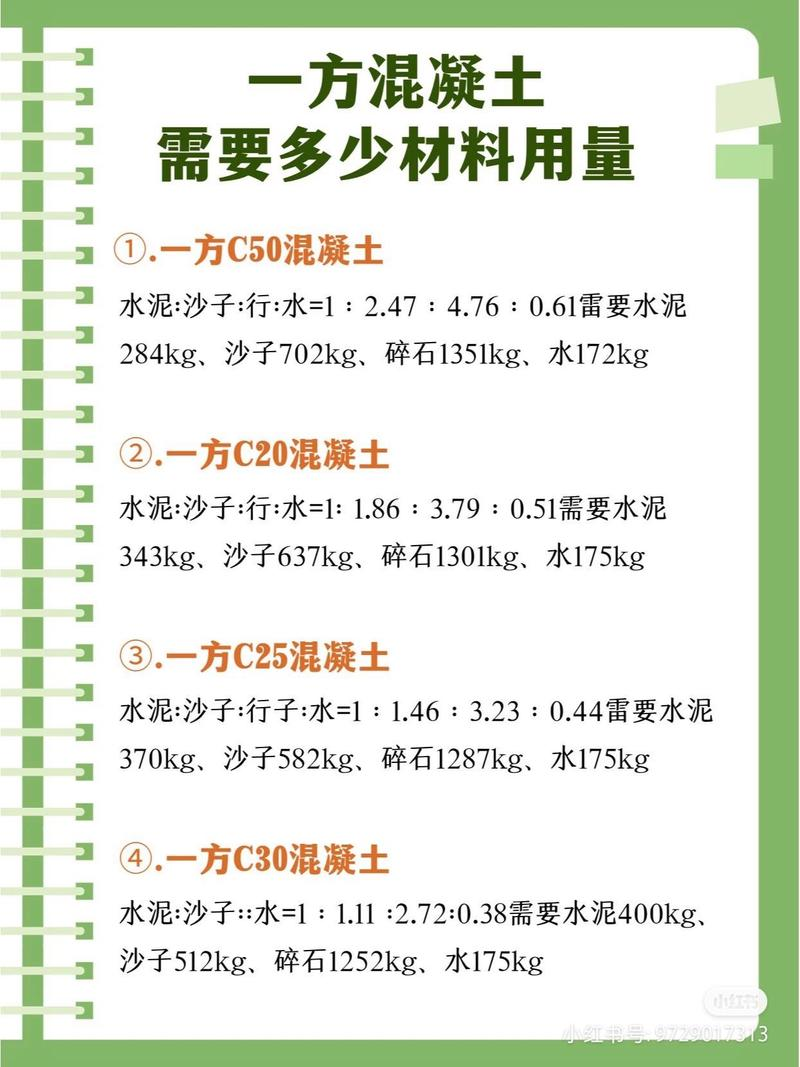
High-intensity concrete is any concrete with a pressure resistance of 6000 pounds/square inch (psi) or higher. It is made of solid and durable bones, with high cement content and low water ash, with the addition of superplastics to improve any processability problems caused by viscous concrete. The main uses of high-intensity concrete are to reduce weight, water and permeability problems and to make structures more corrosive and chemical resistant compared to general-intensity concrete. High-intensity concrete is usually used to build high-compressed upper buildings。
13. Vacuum concrete
Vacuum concrete is a form of concrete that involves the removal of excess water that is not required for the waterization process after the concrete is laid down and before the hardening process begins. The mats are placed on the filtration pads on the cement and spare water is pumped out using vacuum pumps. This technique, known as vacuum dehydration, reduces the water ash ratio of concrete, which increases the intensity and durability of vacuum concrete compared to ordinary concrete. Although high intensity and processability cannot normally be achieved simultaneously in concrete, it also has high processability levels. This is because of the extra water, which makes it easier to fall. Water is no longer needed and is vacuumed to achieve high intensity. Bridge panels and industrial floors are common uses of vacuum concrete。
14. Tarry condensation land
Tarcrete is a form of concrete often used to build roads, parking lots and other types of road. It is a composite material consisting of two main components: bone and liquid asphalt, which are usually combined at the plant and then transported to the stall site, then to the stall and then to the roller. The result is a smooth road。
15. Rapid condensation land
Fast-concrete concrete is a concrete which is hardened faster than normal concrete, usually within one to a few hours, while the usual 48 hours. This is due to the fact that the cement content of fast concrete is higher than that of normal concrete and the additives are added to the mixture in order to accelerate the waterization and sclerosis process. Rapid concrete is pre-mixed and can be used immediately, which is why it is usually used for non-structured concrete work, such as concrete restoration and restoration。
16. Self-contained condensation land
Self-concrete or self-condensed concrete is a concrete with three key characteristics: a high capacity to fill so that it can move easily throughout the template at the time of bedding and through self-resortment; a high capacity to pass around any restricted space and barrier, such as steel bars; and an anti-dissolvation or maintenance of the same state after transport, placement and placement. These qualities allow concrete to be condensed very closely in the mould without any further support or vibration, making it an ideal option for construction involving less labour and faster placement time. The mobility of this concrete is due to the fact that it is made of more fine bones, usually sand, which, together with additives such as adhesives and superplastics, ensures that the grains are evenly dispersed. In addition to the commonly used components of cement, fine bones and rough bones and water, these additives are mixed in concrete mixers to form this type of concrete。