Secondary school core of maths: formulae, theorems and apps
Foreword: architecture and learning logic
The junior high school mathematical formula is not an isolated memory point, but an interrelated logical system. The key to mastering the dilemma formula lies in the understanding of its extrapolation process, the conditions of application and the intrinsic link. This summary is based on the "algebra-geometric-functional-statistical" framework, which provides an in-depth analysis of the essence, error-prone and integrated application scenarios of each formula, with the aim of building a complete knowledge network and enhancing problem resolution capabilities。
Part i: algebra algorithms and constant variants (deep extension)
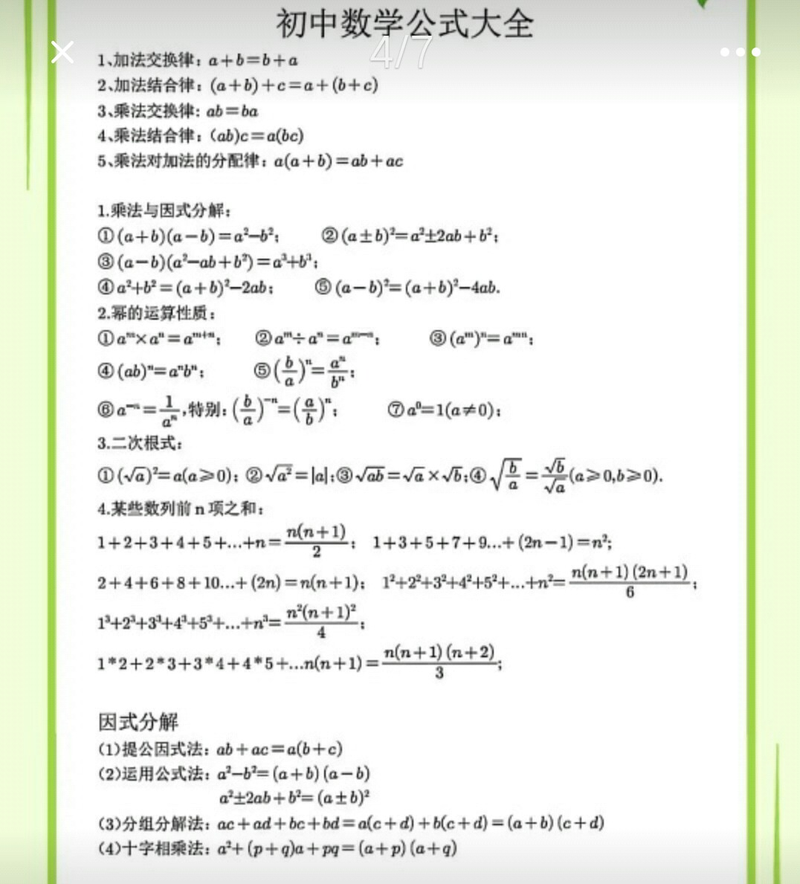
1. 1 integer multiplication and factor breakdown formulae group
1. Deep understanding of the full square formula
2. Extension recognition of square formulae
3. Combining of the system with the method of decomposition
1. 2 semi- and secondary core operations
1. Common denominator for split operations
2. Double non-negative and condensed root form
1. 3 equation (group) and altruistic (group) solver formulas
1. Full extrapolation of the one-dollar binary equation rooting formula (understanding helps memory)
2. The properties of the heterogeneity and the number of axes of the decomposition
Part ii: theorems and formulas for the geometry of the plane (systemic memory)
2. 1 triangular full equivalence and similar determination systems
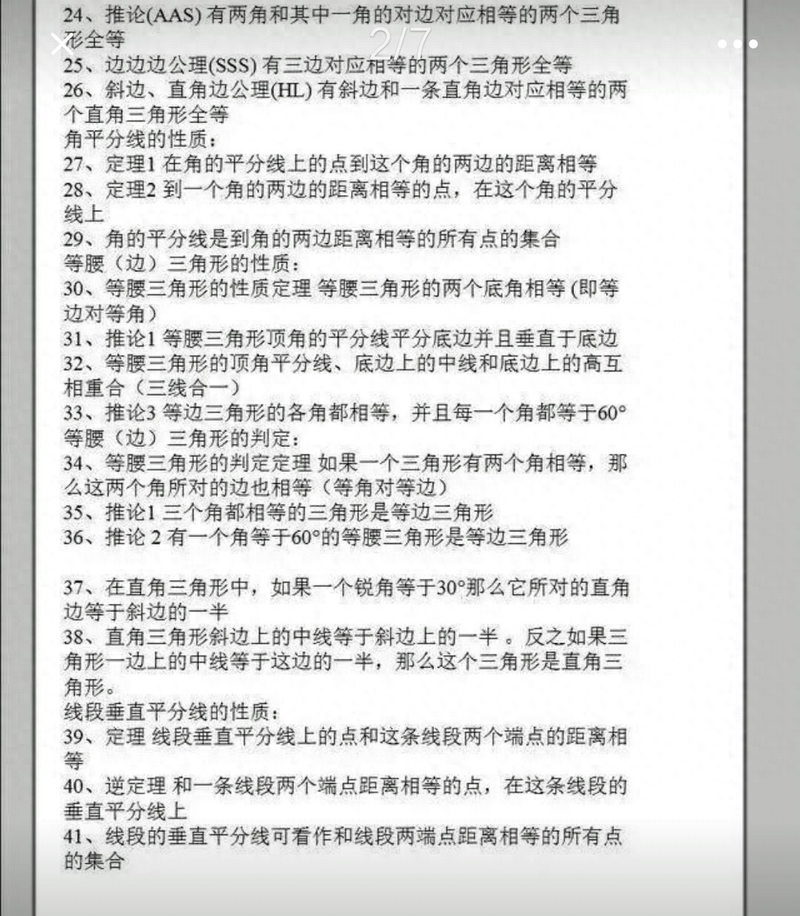
1. Full triangle (sss, sas, asa, aas, hl)
2. Determination and nature of similar triangles (aa, sas, sss)
2. 2 triangular "heart" and important theorem
Theorems and their reverses
Triangular “fours”
2. 3 quadrilateral determination network
2. 4 relevant theories of circles group
1. Theories and inferences
Round angles and round-centre theorems
3. Thread properties and determination
Cubic theorem (conjunction, cutting line, unification of cutting line theorem)
2. 5 geometric graphic area and volume formula (space perception)
1. Fan and bow
2. Side spread of cylinders, cones, domes figure
Part iii: functions and images (numbers combined)
3. 1 one-time function y = kx + b
3. 2 secondary function y = ax2 + bx + c (most important)
1. Interoperating three expressions
2. Relationship of images to coefficients a, b, c
3. Application of best value questions
3. 3 inverse function y = k/x
Part iv: probability and statistics (data analysis)
4. 1 calculation and selection of statistics
4. 2 probability calculation models
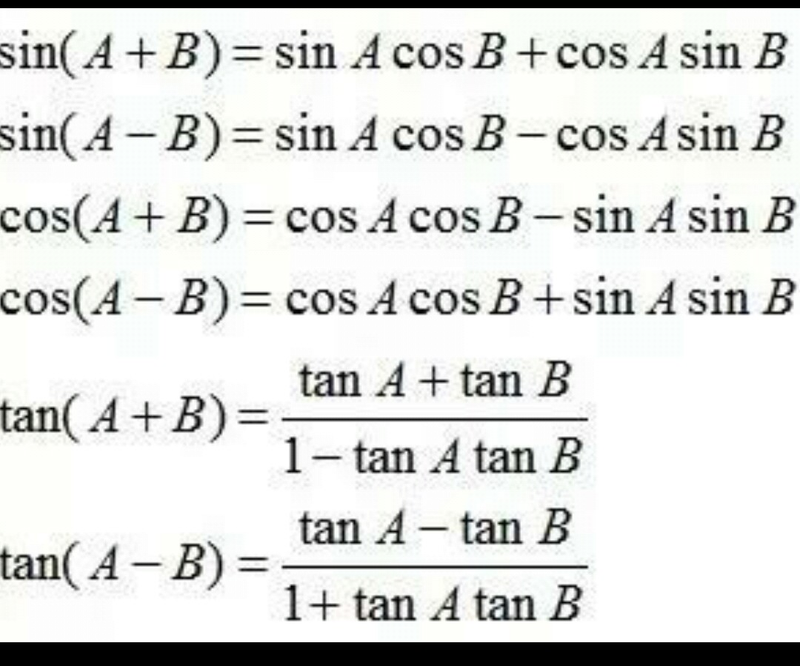
Part v: triangular function (tangular triangle)
A comprehensive application and error-prone overview of the hardship formula
The formula is confused: the square and the square; the "heart" of the triangle (inner, outside); and the symbol of the sum of weda theorem. Conditional omissions: preconditions are ignored when using formulae (e. G. A00; a/sina = 2r in a triangle). Numerical combination failed: function questions are not mapped and geometry questions are not linked to coordinates or algebras. Lack of discussion of classifications: equations/illnesses with absolute values; contours triangles that do not indicate which sides are equal; action point issues. Calculating carelessness: a split equation to multiply the drop in the denominator; the variable is forgotten when the differential coefficient is 1; the migration is unchanged。
Learning strategy recommendations:
Insulation understanding: personal extrapolation of the core formula (e. G. Root formula, top coordinate formula). Networking: creates a thought map, which connects the formulas of the different chapters (e. G., a two-point schematic formula, a line length on a secondary image). Deliberate exercise: special training on error-prone points. Summary: establish a personal formulae-problem-problem-fault-problem control table。
Through these systematic summaries and analyses, more than 4,000 words of detail have been internalized into their own knowledge structure so that they can quickly and accurately mobilize the formulas and theorem in the face of the integration of mathematics at the lower secondary level, so that they can be integrated and integrated。