Misty search
- through the grey genre
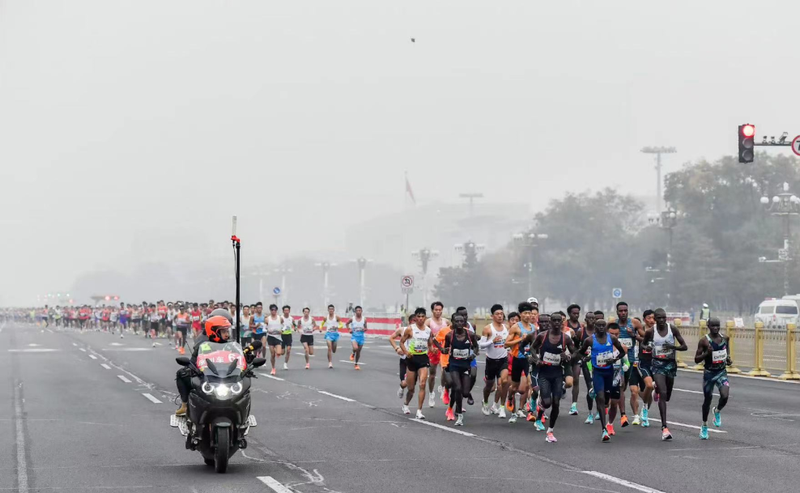
In response to regional pollution, from 30 october to 2 november, beijing witnessed an ongoing medium-level pollution process and initiated the orange warning of heavy air pollution, the first such warning for the first time this autumn winter, as well as the first such warning following the publication of the beijing city air heavy pollution emergency plan。
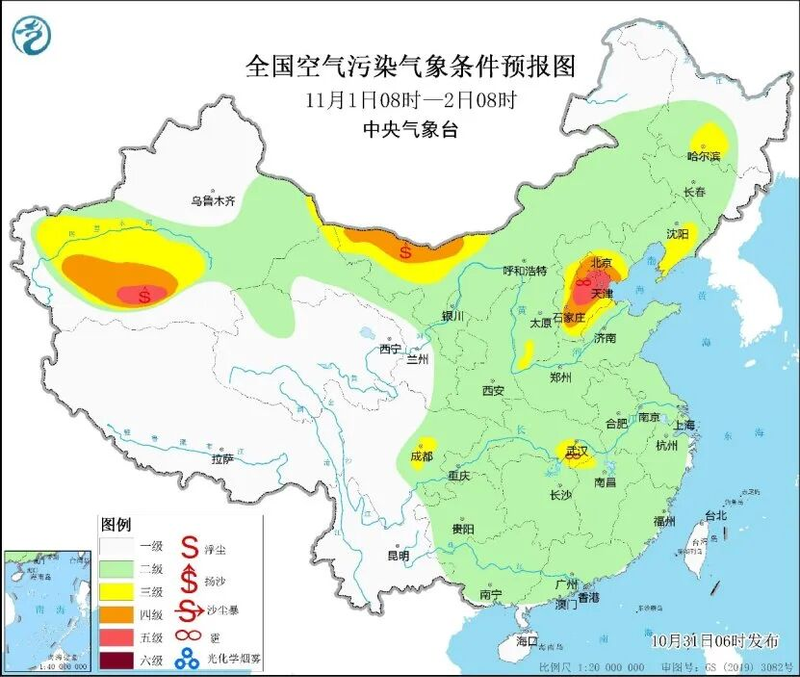
Map source central weather network
In the early hours of the morning to midday on 30 october, the surface north-east wind improved the spread, with medium and severe contamination of pm2. 5 in beijing dropping to 2-3 levels of good-light contamination. In the evening, beijing was re-activated to a low-pressure front, the northern wind was turned to the east, with the effect of a return flow of pollution, and pm2. 5 concentrations rose again。
From 31 october to 2 november, the ground was subject to a continuous low-pressure system, with a sustained rise in the mid-level temperature, strong counter-temperature from night to morning, near saturation in relative humidity, persistent southern wind and adverse conditions of diffusion, with air quality reaching a level of 4 medium pollution。
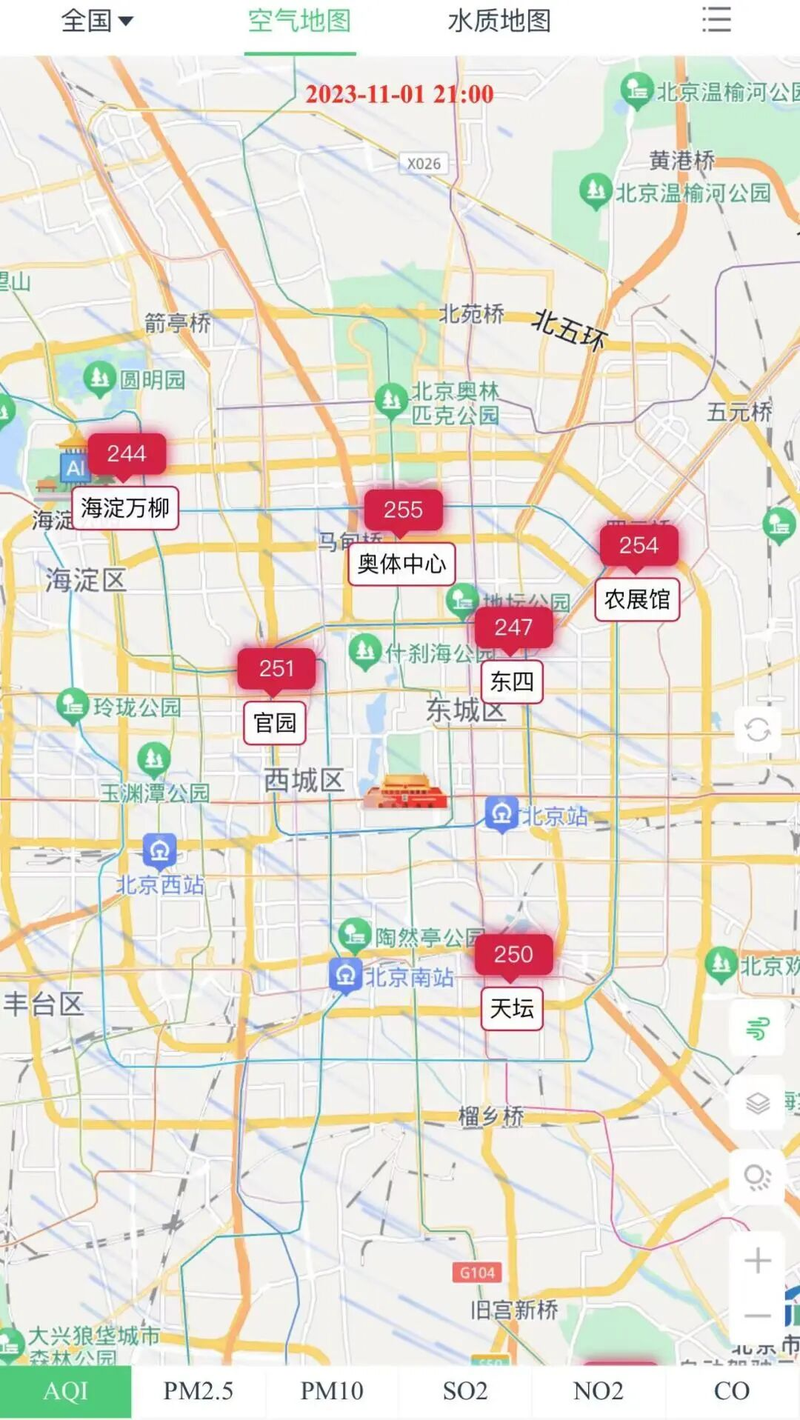
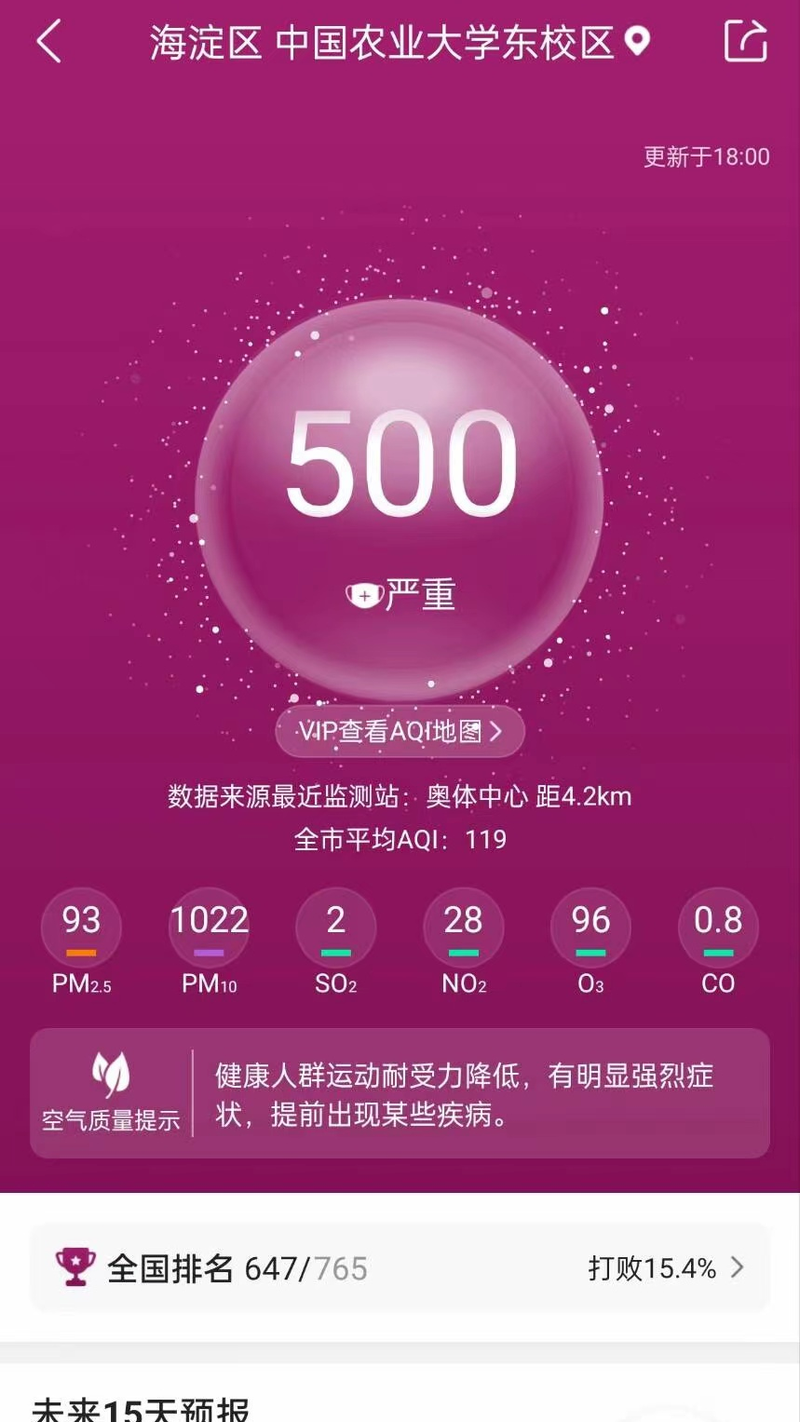
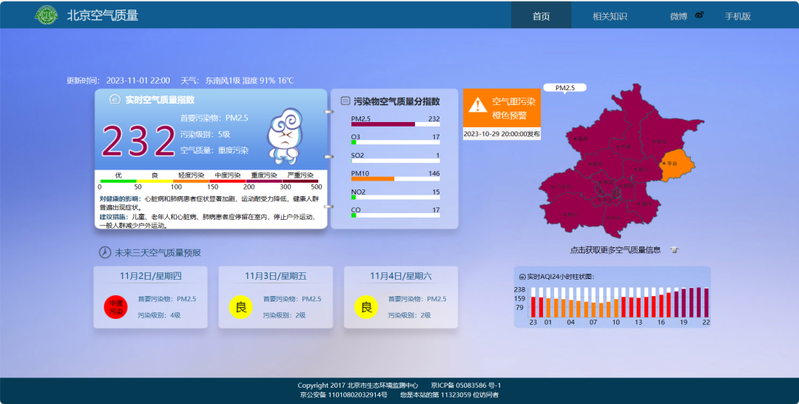
Qqq group, cau meteorological lovers association, source
Every fall and winter festival, the “mog” is frequently on the internet and is an environmental problem that has to be faced by the residents of the kyushu region。
Let's talk about the dark dry stuff。

The haze is a general expression of the excess content of various suspended particles in the atmosphere and a generic description of the fog and haze. When both phenomena occur in the air on that day, they lead to a decrease in visibility. But the fog and the haze are very different. The fog is an aerosol system consisting of large amounts of small droplets or crystals suspended in near-ground air. Autumn winters are characterized by low air temperatures, low saturated water vapours, easier to saturate and condensed (or condensed) into water droplets (ice crystals) and the resulting misty weather. When the relative humidity of the air is not saturated, particles in the air, such as dust, sulphuric acid, nitrate and organic hydrocarbons, can also mix the atmosphere, which is called haze (or ash). The small particles in the haze (pm2. 5) combined with the fog caused the sky to become asymmetric at short notice and were the main cause of cloudy weather pollution. Pm2. 5 is also referred to as pulmonary granules that have direct access to human pulmonary bubbles and even to the blood system, leading directly to diseases such as cardiovascular disease. Pm2. 5 is larger than the surface area and usually concentrates on various heavy metal elements and organic pollutants, most of which are carcinogens and genetically toxic mutagenics, which are highly hazardous。
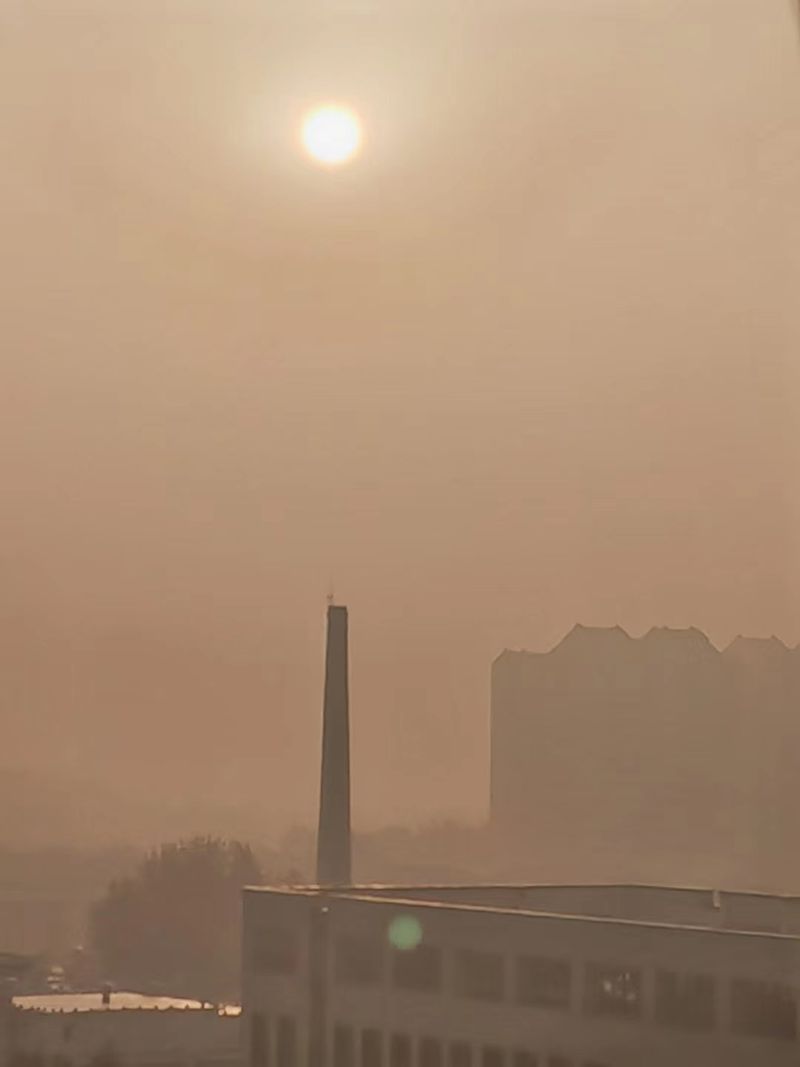
Fog weather formation
The main reason for the haze is human emissions, although its occurrence is inextricably linked to specific terrain and weather conditions. The surrounding area is in the semi-enclosed terrain on the eastern side of taipei and on the southern side of yan hill, on the western side of the taipei mountains on the north-south side, on the north side of the yan mountains on the east-west side, on the eastern side of the bay and on the southern side of the north china plain. The terrain is high in the west and north, and it is flat in the south and east。
This particular terrain has resulted in the west-west of kyoto, weak cold air in the north, low intensity of cold air being blocked by mountain ranges, and long-distance pollution from the south of beijing, which leads to air pollution。
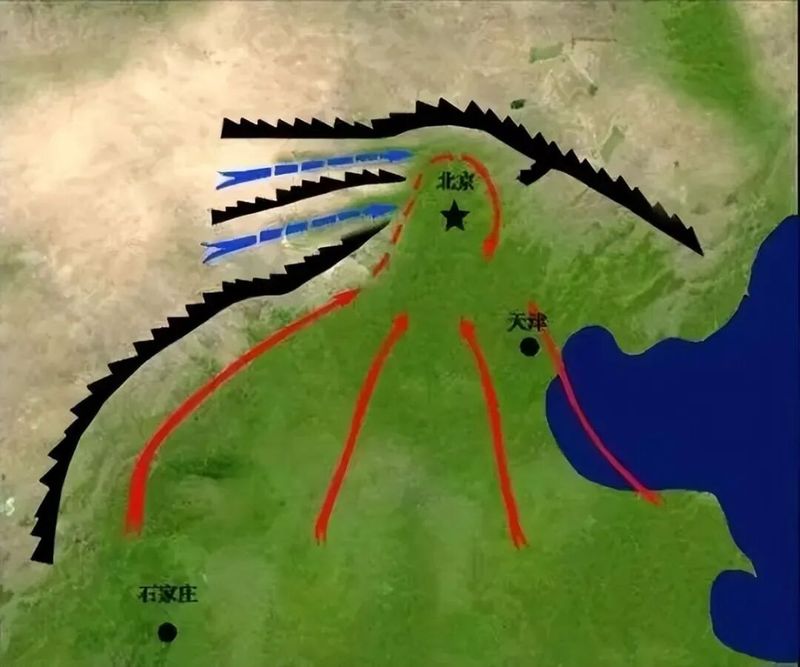
Figure source china weather
The above-mentioned terrain causes the worst mist and haze to be found in the southern part of beijing and slightly light in the northern part. The southern part of beijing was affected by the irradiation line of the pre-tahwan terrain, which formed a heavy contamination belt with the southern central region of hebei。
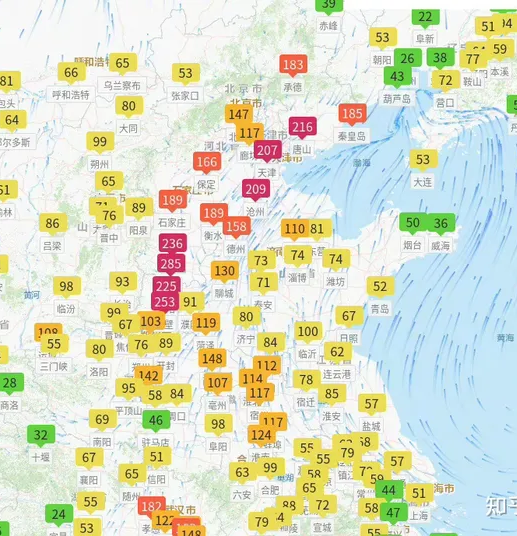
The source is user-like
With regard to meteorological conditions, the beijing region is “post-pressure ridge” and the atmosphere remains calm, with a clear return to the middle layer and a marked cooling of radiation from the ground at night, resulting in “continental reverse temperatures”。
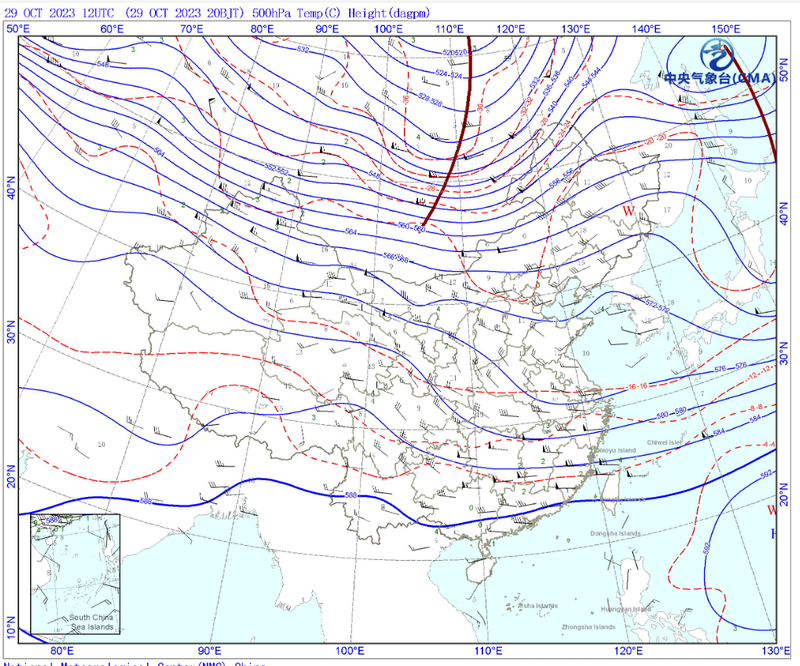
Map source central weather network
Inverse temperatures are often found in lower gases. As a result of the emergence of the inverse layer, the cooling and heating of the lower layer makes the atmosphere “up and down”, which is very stable and is an absolute stable layer that weakens and inhibits the flow of the upper and lower atmosphere. In particular, the low-altitude invertebrates, such as a “cap” that makes it difficult to spread up through the atmosphere, which reduces the quality and visibility of the air, are referred to as “blocking layers” and become an accomplice to air pollution. Once the vertebrate is formed, the vertical spread of pollutants is strongly discouraged. The haze was further polluted。
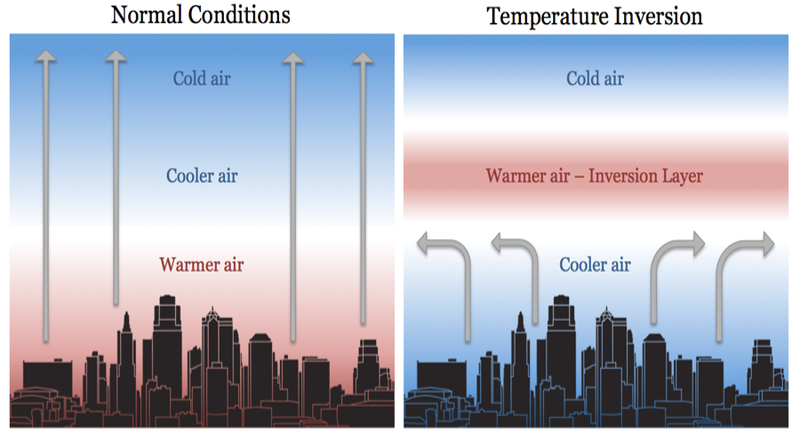
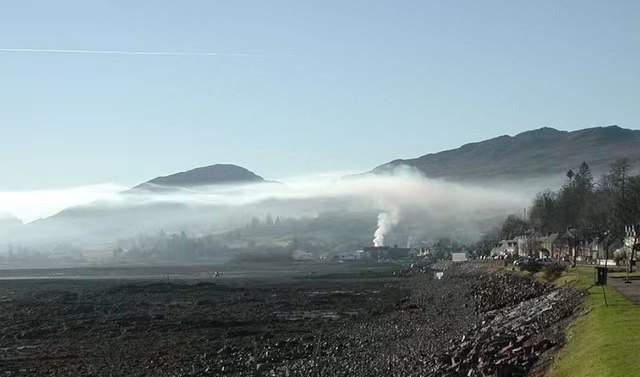
Dispersion of pollutants at counter-temperature
The haze lasted a long time, and as the cold air moved southward on the night of 2-3 november, the fog and haze would disappear. This time, however, the cold air may be held hostage to the sand and dust of the mongolian plateau, and there will be a certain probability that sand and dust will throw away the fog。
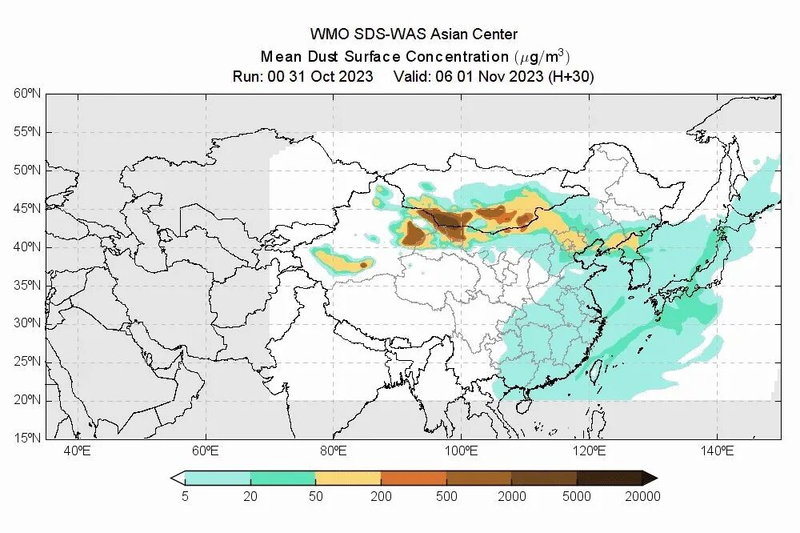
Weatherman shinhin
Haze warning level
The haze warning signals are of three levels, iii level (higher), ii level (serious), i level (especially severe), marked with yellow, orange and red in english。
I. Yellow warning
Standard
It is expected that one of the following conditions or facts may be met and likely to continue within the next 24 hours:
(1) a haze with visibility of less than 3,000 m and relative humidity of less than 80%。
(2) visibility < 3,000 m and relative humidity > 80%, pm2. 5 > 115 Μg/m3 and < 150 Μg/m3。
(3) visibility < 5000 m, pm2. 5 > 150 Μg/m3 and equal to 250 Μg/m3。
Defense guidelines
1. Local people's governments, departments and units are responsible for preparing for haze protection
2. Measures taken by sewage units to control the production of polluting processes and reduce pollutant emissions
3. Stopping outdoor physical education in kindergartens and schools
4. Reduction of outdoor activities and outdoor operating hours to avoid morning exercise; reduction of window openings, in particular to avoid early and late window openings; and retention of the elderly, children and vulnerable groups with respiratory diseases, and cessation of outdoor exercise
5. It would be preferable to travel with masks and as far as possible by public transport in order to reduce the number of vehicles travelling
6. Upon return, the lips, nose, face and bare skin shall be washed。
Ii. Orange warning
Standard
It is expected that one of the following conditions or facts may be met and likely to continue within the next 24 hours:
(1) hazes with a visibility of less than 2,000 m and a relative humidity of less than 80%。
(2) visibility < 2,000 m and relative humidity > 80%, pm2. 5 > 150 Μg/m3 and < 250 Μg/m3。
(3) visibility < 5000 m, pm2. 5 > 250 Μg/m3 and < = 500 Μg/m3。
Defense guidelines
1. People's governments, departments and units at local levels are responsible for the prevention of haze
2. Measures taken by sewage units to control the production of polluting processes and reduce pollutant emissions
Cessation of outdoor sports; cessation of outdoor activities in kindergartens and primary and secondary schools
4. Avoid outdoor activity and close indoor doors and windows until early warning is lifted; children, the elderly and vulnerable should remain indoors
5. Minimize energy consumption, such as air conditioning, and reduce the speed with which vehicles are operated by drivers when they stop
6. To reduce the number of vehicles travelling by using public transport when travelling, by wearing masks on their departures, and to return to wash their lips, nose, face and bare skin in a timely manner。
Iii. Red warning
Standard
It is expected that one of the following conditions or facts may be met and likely to continue within the next 24 hours:
(1) a haze with visibility of less than 1,000 m and relative humidity of less than 80%。
(2) visibility < 1000 m and relative humidity > 80%, pm2. 5 > 250 Μg/m3 and < 500 Μg/m3。
(3) visibility is < 5000 m and pm2. 5 concentrations > 500 Μg/m3。
Defense guidelines
1. Local people's governments, departments and units at all levels are responsible for the haze response
2. Measures taken by sewage units to control the production of polluting processes and reduce pollutant emissions
Cessation of outdoor sports; cessation of outdoor activities in kindergartens and primary and secondary schools
4. Stop outdoor activities and close indoor doors and windows until the warning is lifted; children, the elderly and vulnerable remain indoors
5. Minimize energy consumption such as air conditioning, reduce the number of day-to-day refuellings of motor vehicles by drivers, stop the fires when parking and reduce the frequency of vehicle in-situ inactivity
6. Travel with masks to minimize the use of public transport to reduce the number of cars travelling; return to immediately wash the lips, nose, face and bare skin。
The governance of the beijing mist
Although haze remains a lingering problem in beijing, the concentration of air pollutants in beijing is declining significantly as the government increases its ecological governance。
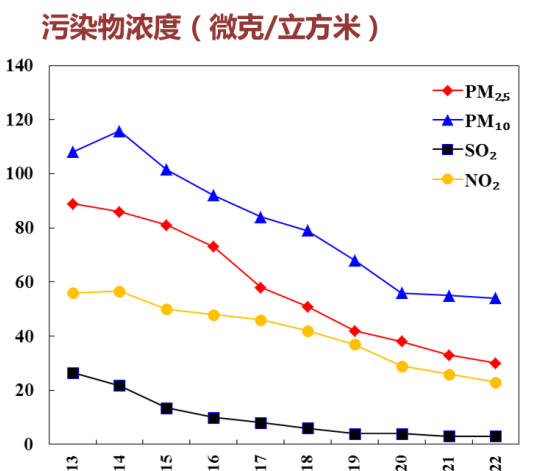
Trends in pollutant concentrations in beijing since 2013
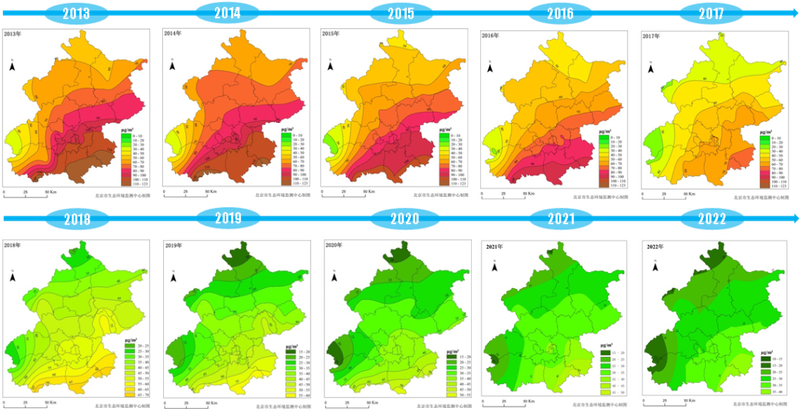
Changes in annual average pm2. 5 spatial distribution, 2013-2022
Togen beijing city people's government website
Since 2013, the city of beijing has been deeply committed to the philosophy of xi jinping's ecological civilization and to the important message of xi jinping's general secretary to the beijing series. It has continued to combat atmospheric pollution with extra-conventional measures and efforts. It has also carried out “one microgram” operations in a comprehensive manner and with scientific treatment. In the decade of the new era, the city of beijing has given unprecedented importance to the protection of the environment, and the quality of the environment has improved at an unprecedented rate, and pollution prevention and control efforts have been more robust than ever before. From the “blue sky invisibility, stars invisibility” to the “blue sky cloud, stars flashing”, beijing's blue sky has become one of the most popular things. Xi jinping's eco-civilization philosophy has taken root in the land of kyohua and has produced the most vivid results。