


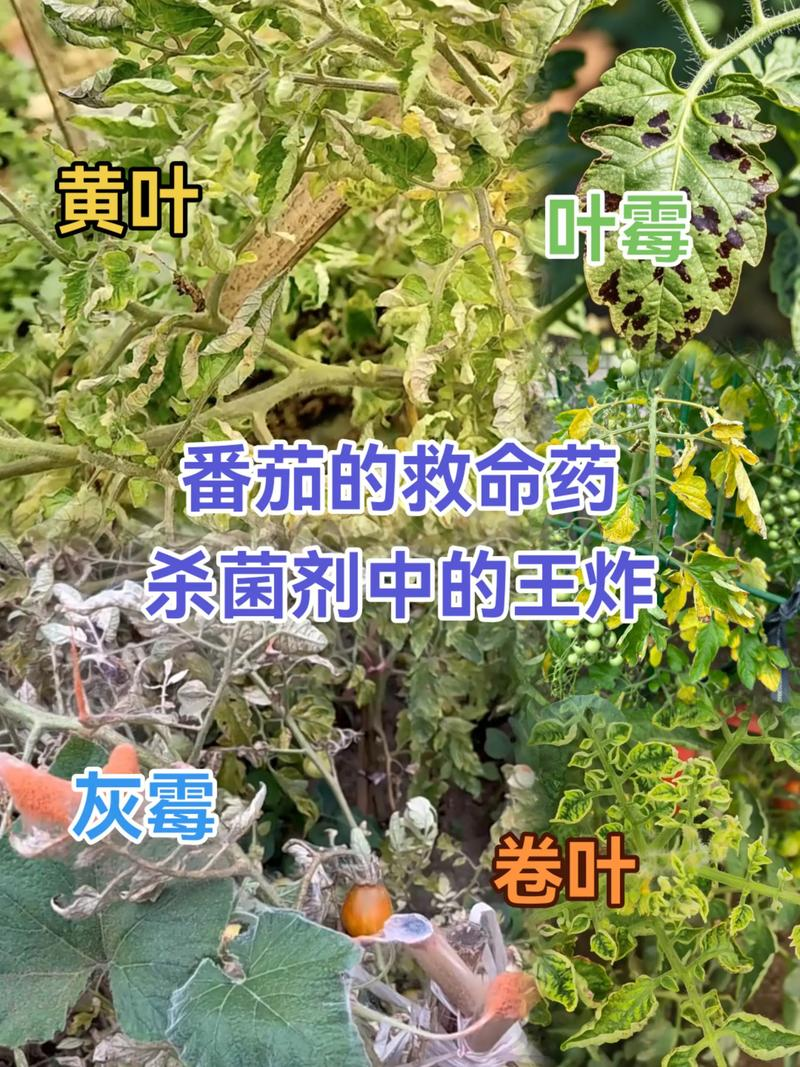
Tomatoes, a nutritious and tasted vegetable, are widely cultivated globally. The techniques for tomato cultivation and pest prevention measures are described below. Plantation technology 1. The selection of tomato varieties suitable for local climatic and soil conditions is key to successful cultivation. Good tomato varieties should be disease-resistant, resilient, productive and taste-friendly. 2. The sowing temperature of tomatoes should be above 15°c and seeds should be disinfected and sprung before sowing. When sowing, seeds are spread over the watered soil surface, covering a thin layer of soil and then a thin sheet of film to maintain soil moisture and temperature. 3. At the nursery stage, sufficient sunlight and appropriate temperatures are ensured. When tomato seedlings produce four to five leaves, they can be transferred to larger basins or fields. 4. For transplantation, a place with sufficient sunlight, fertile soil and good drainage should be chosen. The transplant is followed by water and a thin layer of soil. 5. After transplantation, fertilization and water should be regularly watered and soil moist. In the process of growing, tomatoes require a large amount of nutrition and should therefore be fertilized periodically to meet their growth needs. When tomatoes begin to grow, they should be mounted in time to guide their growth upwards. In order to maintain a ventilated and luminous system, the branches should be regularly trimmed. 7. Harvesting and storage should take place as soon as tomato fruits mature. Refrigerated or refrigerated treatment after harvest is possible to extend the storage time for tomatoes. 1. Prevention of diseases and pests. Agriculture is responsible for the selection of disease-resistant varieties, the use of disease-free seeds, the rational rotation of work, the strengthening of field management and the improvement of plant resistance. Biological control uses natural enemies and biological pesticides to combat pests and diseases. For example, insects are hunted by natural enemies, such as wedges and grasshoppers, and biological pesticides, such as agricultural antibiotics, are used to combat disease. Physical control uses physical methods such as high-temperature, low-temperature and radiation to treat seeds and soils and to eliminate pathogens and pests. For example, the soil or seeds are projected with ultraviolet lamps to kill pathogens and pests. Where necessary, chemical pesticides can be used to combat pests and diseases. However, care should be taken to select low-toxic and low-residual pesticides and use them strictly in accordance with the instructions of use to avoid environmental and human health effects. Common pests and control methods 1. Early disease (early bright) is one of the most common diseases of tomatoes. It mainly affects the leaves and fruits, leading to spots, carcasses and bad deaths. Prevention and treatment methods include the selection of resistant varieties, the strengthening of field management, regular inspection and removal of leaves and fruit, and the use of microbicides for prevention at the onset of the disease. 2. Late blight is also one of the main diseases of tomatoes. It mainly affects leaves and fruits, resulting in water stains, decay and death. The approach is similar to that of early disease, including the selection of resistant varieties, the strengthening of field management, the regular inspection and removal of leaves and fruit, and the use of microbicides for the prevention and treatment of diseases at an early stage. 3. Viral disases virus disease is a common tomato disease caused by viruses. It leads to slow growth of plants, foliage malformations and fruit malformations. The prevention and treatment methods include the selection of resistant varieties, the strengthening of field management, the avoidance of association with eggplant crops, regular screening and the removal of strains, and the use of antiviral agents for prevention and treatment where necessary. 4. The common pests of tomatoes include aphids, white lice and twit flies. These pests draw on tomato juice, which leads to slow growth of plants, leaf curls, and reduced fruit production. Prevention methods include the use of yellow-board booby traps or chemical agents. 5. The problem of tomato growth is due to inappropriate or poorly managed environmental conditions. For example, lack of water, lack of fertilizer, insufficient light, excessive temperatures or low temperatures can lead to abnormal tomato growth. Prevention and treatment methods include improved planting environments and management measures, such as rational watering, fertilization, light and temperature management. In general, when planting tomatoes, appropriate varieties and growing environments should be selected, field management should be strengthened, pests and pests should be regularly examined and appropriate measures taken to ensure the healthy growth and high quality of tomatoes. 6. Nutritional deficiencies and excess tomato growth require various nutrients, such as nitrogen, phosphorus, potassium, calcium, magnesium, etc. In the absence of the necessary nutrients in the soil, tomato growth is affected. For example, lack of nitrogen can lead to yellowing of leaves and lack of potassium can lead to stunting of fruit. Conversely, overnutrition can also lead to poisoning or other adverse effects. Therefore, fertilization should be reasonable in the light of tomato growth needs and soil conditions. 7. Cold and frozen tomatoes may be affected by cold or cold weather during their growth. In order to prevent these effects, a number of measures can be taken, such as covering membranes, smoke, water, etc. In winter tomatoes should be grown by choosing cold-resistant varieties and taking appropriate temperature measures. Soil pollution and irrational agricultural operations and the use of chemical substances can lead to soil pollution and salination. It affects the growth and quality of tomatoes. In order to prevent these problems, non-polluting fertilizers and pesticides should be selected, water should be properly poured, the soil should be avoided and soil conditions should be regularly checked. Summarizing tomato cultivation requires a combination of factors including species selection, planting environment, field management, pest control, etc. In order to ensure the healthy growth and high quality of tomato production, appropriate varieties and planting environments should be selected, field management strengthened, pests and pests regularly checked and appropriate measures taken to combat them. At the same time, attention should be paid to rational fertilization and watering, avoiding problems such as soil pollution and salinization. Scientific planting techniques and management measures can effectively improve the production and quality of tomatoes and provide safe and healthy food to consumers。



