Figure 2-2 procurement processes
(ii) meaning of procurement
There is no standard definition of procurement, because the objectives and requirements for the purchase of goods or services by enterprises differ. In practice, however, the basic understanding of the concept of procurement can be divided into the following areas。
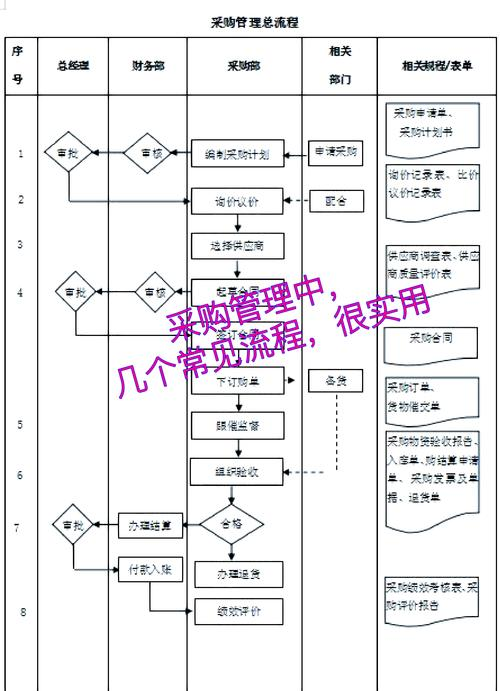
1. Procurement process for obtaining resources from the resource market
Resources include material information (such as raw materials, equipment, tools, etc.) and non-material information (such as software, technology, information, etc.). Suppliers that can provide these resources form a market for resources. It is through procurement that an enterprise obtains these resources from the resource market, so that the basic function of procurement is to help the enterprise acquire the resources it needs from the resource market。
Procurement is a complex commercial activity
Not only are the procurement by enterprises diverse, quantitative and market-wide, but the requirements for procurement activities are particularly stringent. This requires an in-depth study of the variety, demand and pattern of demand of enterprises as a whole, not only an analytical study of the large number of suppliers in the country and abroad, but also an in-depth study of the various aspects of the procurement process, as well as scientific work, so that the task of procurement can be carried out in such a way as to ensure the timely and appropriate supply of the materials required for the production of enterprises。
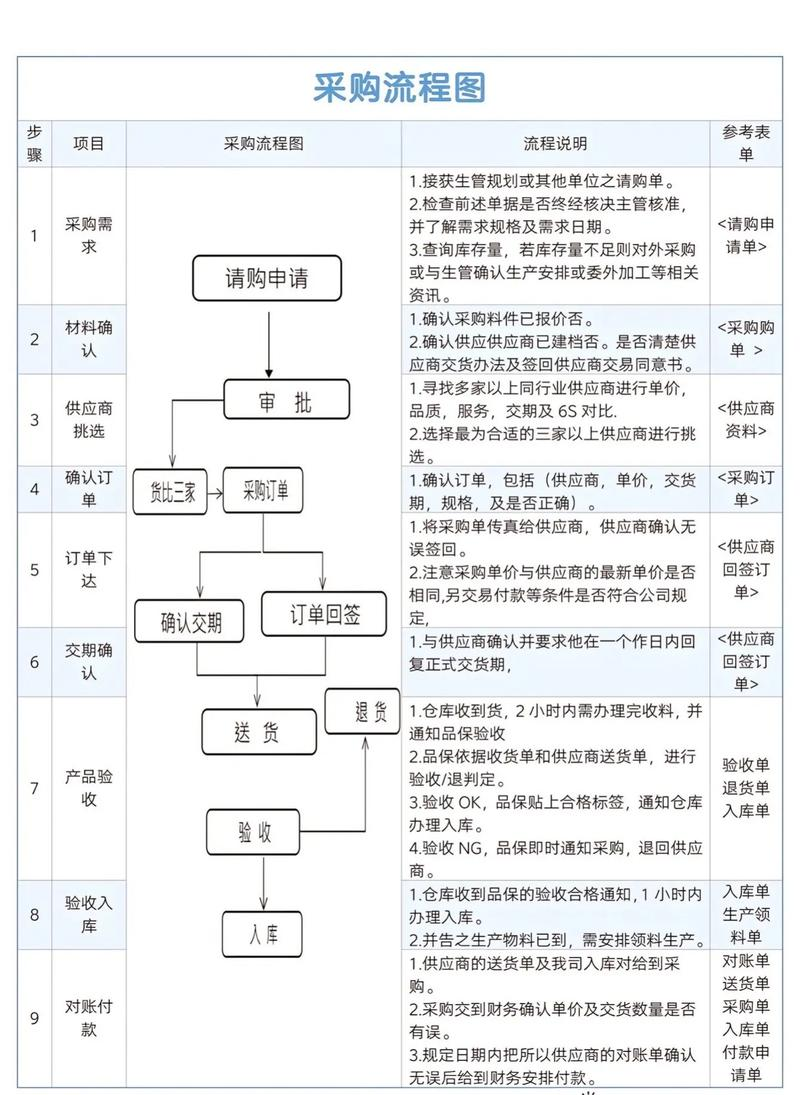
Procurement is both a business flow process and a logistics process
Procurement is the process of transferring resources from suppliers to customers in the resource market. In the process, one is to transfer ownership of resources from suppliers to customers; the other is to transfer material entities of resources from suppliers to customers. The former is a business flow process, while the latter is a logistics process. The procurement process is an integral combination of the two processes。
4. Procurement has a "profit leverage" effect
The reason for the importance of procurement in enterprise management is, first and foremost, the “profit leverage” effect of procurement. It is this effect that has led senior managers of enterprises to seek ways and means to “squeeze” more profits for the business, and this is why the procurement sector has become increasingly valued by senior managers of these micro-economic times。
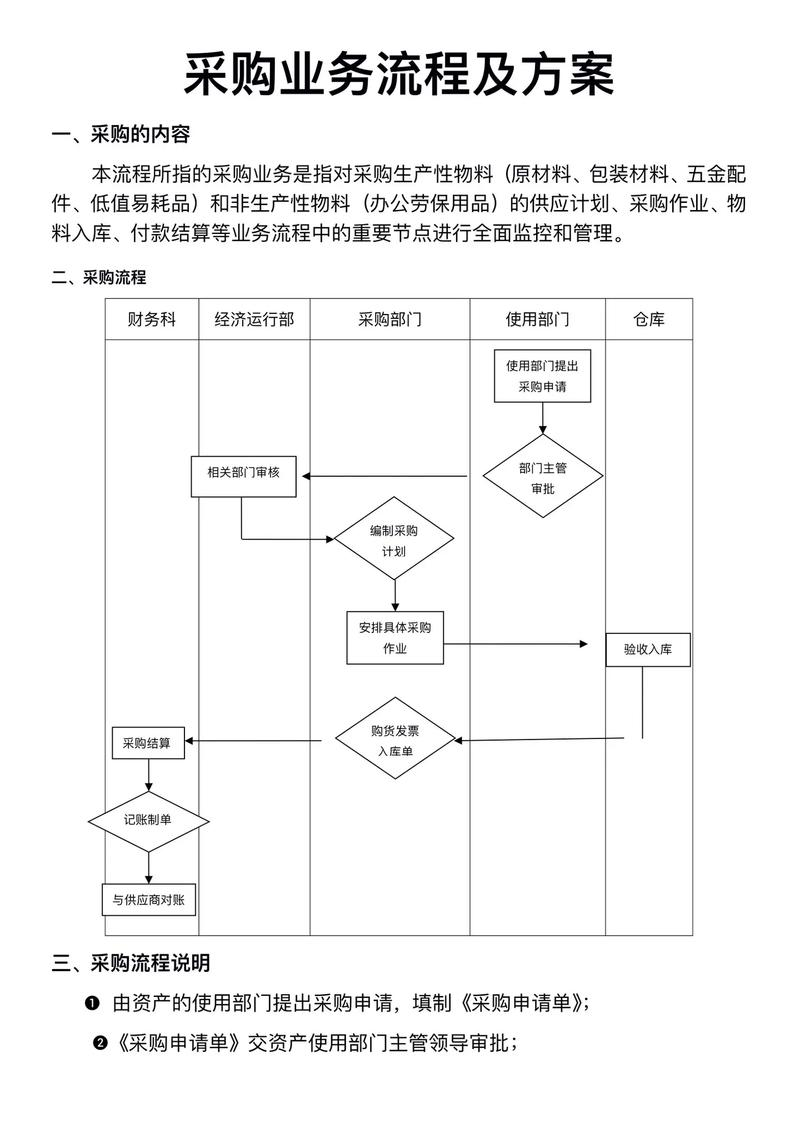
Knowledge links: examples of profit leverage effects
Assuming that 50 per cent of an enterprise spends 10 per cent of its pre-tax profits on the purchase of raw materials, for every $100,000 it earns, it will make a profit of $10,000, and of that $100,000, it will spend $50,000 on purchases. We assume that the procurement department, after trying to reduce its procurement costs by 2 per cent, will increase its profits by $1,000, and if it were to earn this profit by increasing sales by $1,000, it would have to increase sales by 10 per cent, i. E., by $10,000。
Procurement can indirectly improve enterprise competitiveness