Introduction: the luxurious fashion of time travel - the millennia of the uniform
As an important symbol of the long-standing culture of the chinese nation, han clothes carry a rich historical memory and cultural background. From the prism of the qin han period to the splendor of clarity, every piece of history has left a deep mark on the evolution of the han uniform. This paper will take you through the millennia, with the transformations and aesthetics of fine-sweet clothes, and the great depth of chinese clothing。
I. The qinhan period: laying the foundations, being simple and dignified
Qin dynasty specialty
The qin dynasty (221 b. C. To 206) was china's first unified empire, with a uniform style of dress. In the name of “dark clothes”, emphasis was placed on practicality and a sense of dignity. Men wear large cuffs, women wear skirts, and the colours are dark, demonstrating the seriousness and seriousness of the country。
The han dynasty has evolved
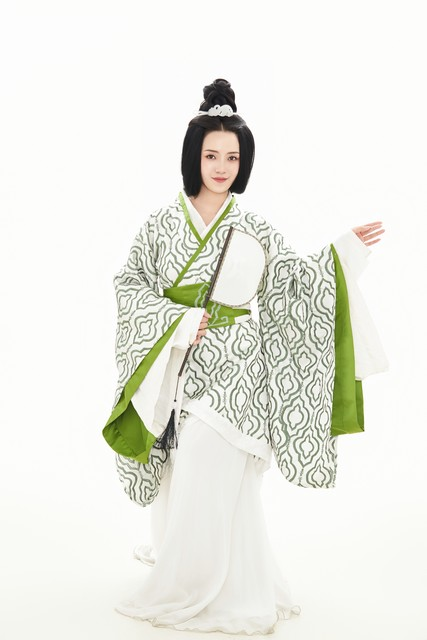
The han dynasty (206-220 b. C.) gradually enriched its styles and colours on the basis of the qin system. The central feature of the uniform is the "right-handing" — the left-handing of the right — and the beauty of the manner. In pursuit of “grace and comfort”, it is purposive, colourful and integrated into the philosophy of “one human being”。
Aesthetic characteristics
During the qinhan period, the qin han clothes focused on the “higher atmosphere”, and the lines were smooth and smooth, and the colours were steady, showing the weight and inner strength of chinese culture. A growing sense of hierarchy and detail has laid a solid foundation for the subsequent development of the chinese uniforms。
Ii. Wei jinh-nang: freedom and identity
Diversification of clothing
Wei jin-dpo (220-589) was a golden period of diversity in chinese dress styles. The nobles seek to “disguise” and the spirit of freedom of “one human being”. A variety of styles have emerged, such as robes, tulips and skirts, emphasizing “floating” and “sweet”。
Aesthetic pursuit
During this period, emphasis was placed on “the beauty of nature”, and clothing lines were more fluid and colourful. The sergeants prefer to use such elements as bands and capes to show their personality and freedom。
Iii. The end of the queen: the host of proliferation and beautiful
Don's costume innovation
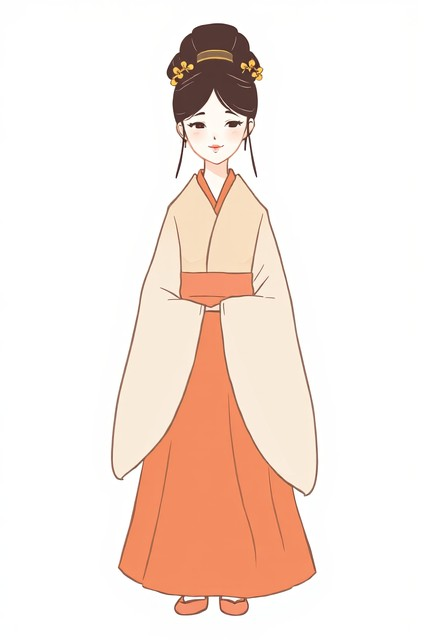
Tang dynasty (618-907) was the height of china's ancient garments, which had reached unprecedented heights in form and decoration. Men wear round robes, while women wear long skirts, colours and patterns。
Don's aesthetics
Tang dynasty emphasized “sweetness” and “difficultness”, and decorative techniques such as silver and silver threads, embroidery and beads prevailed. Lines are fluid and numerous, reflecting a culture of open and inclusive and pluralistic integration。
Cultural impact
The style of tang's dress not only affects china, but is also broadcast on neighbouring countries such as korea and japan, making it an important part of east asian culture。
Iv. Song chung period: simplicity and elegance, value content
Zhong
Song dynasty (960-1279) emphasized "ecos" and the dress tended to be simple and generous. There are men who wear straight skirts, robes, and women who wear straight skirts, colours that are elegant and stress in-house maintenance。
Change of won-dpan
The moyen dynasty (1271-1368) is ruled by the mongolian ethnic group and its clothing integrates mongolian elements. Men often wear broad robes, while women have features such as “colours” with heavy colours。
Aesthetic characteristics
The chinese uniforms of the song yuan era seek “the beauty of inner strength”, which is simple and colourful, emphasizing taste and meaning。
V. The deliberary time: relevant, beautiful
Ming dynasty
The han clothes of the ming dynasty (1368-1644) flourished once again, with the appearance of classics such as "deep clothes" and "roads". The official uniform is hierarchical and ceremonial, colourful, embroidered and displaying a culture of protocol。
Change in qing dynasty
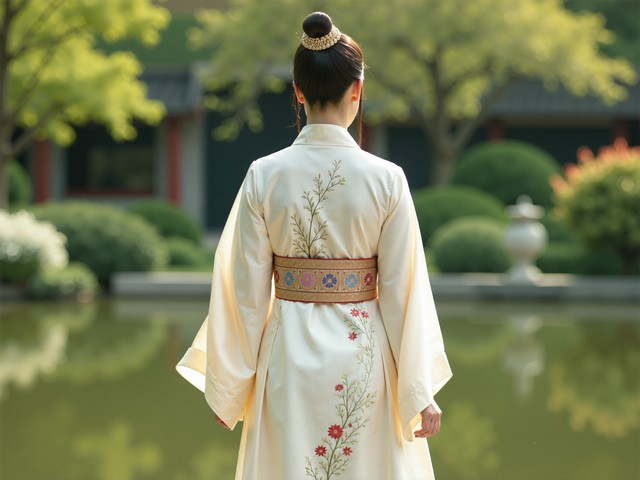
Qing dynasty (1644-1912) was ruled by manchuria, and the official uniform was gradually replaced by a “flag robe”, but the traditional chinese uniform elements were retained by the civil society. The robe integrates the han and the manchurian elements, and the line is close to each other and displays female grace。
Apparel aesthetics
Ming qinghui pursues “sweetness” and is purified and elaborate, reflecting the rigour of the feudal and hierarchical system。
Vi. Modern renaissance and legacy
In recent years, the hanhua culture has been revitalized among the younger generation and has become an important vehicle for cultural identity and fashion expression. A variety of han clothes fairs and han clothes festivals are being held to promote the transmission and innovative development of han chinese culture。
Concluding remarks: cultural heritage through the millennium
As a symbol of the culture of the chinese nation, the chinese uniforms have evolved over thousands of years, from the high esteem of the qinhan to the brightness of the qin han, each period has shown different aesthetic aspirations. It is not only a garment, but also a spiritual symbol and a vector of chinese culture. In the future, the han clothes will be rejuvenated in tradition and innovation, renewing a wonderful chapter belonging to the chinese nation。
# historic clothing #