I. Specific background
The earth and the universe area is a core component of the primary science curriculum, with the task of teaching to guide students into the initial formation of a cosmological vision and to build awareness of the earth's system. However, it is often difficult in teaching practice because of conflicts between the nature of knowledge in this field and the cognitive characteristics of students. In the case of earth, the moon and the sun, for example, students need to learn macro-level knowledge of the law of the operation of celestial bodies, which involves vast spatial and temporal scales, well beyond the range of student experience, while static text description or plane illustrations in teaching materials provide basic information but do not create dynamic spatial and temporal images. As a result, students often learn about this field in mechanical memory without building systematic awareness; when applying observations to scientific reasoning, it is often difficult to bridge the gap between images and abstract thinking. In the long run, not only will it affect the internalization of knowledge, but it will also weaken students' interest in learning and run counter to the expectation that “youths will be inspired by curiosity, imagination, desire and the development of groups of young people with the potential of scientists willing to devote themselves to scientific research”。
Learning dilemmas reveal two salient problems in the teaching of science: the lack of effective ways to link abstract knowledge to life experience; and the failure to provide students with a think-tank for observing scientific reasoning from phenomena. How to translate learning objectives into practical activities in which students are interested and able to participate, based on real circumstances, and establish a path of reasoning from the phenomenon to the essence, effectively bridging the gap between abstract knowledge and concrete experience is a key issue that needs to be addressed urgently。
Ii. Teaching objectives
Literacy orientation is the core pursuit of the 2022 version of the compulsory education curriculum. Combining the objectives of the earth, the moon and the sun module with core nutrients can be presented at the following levels。
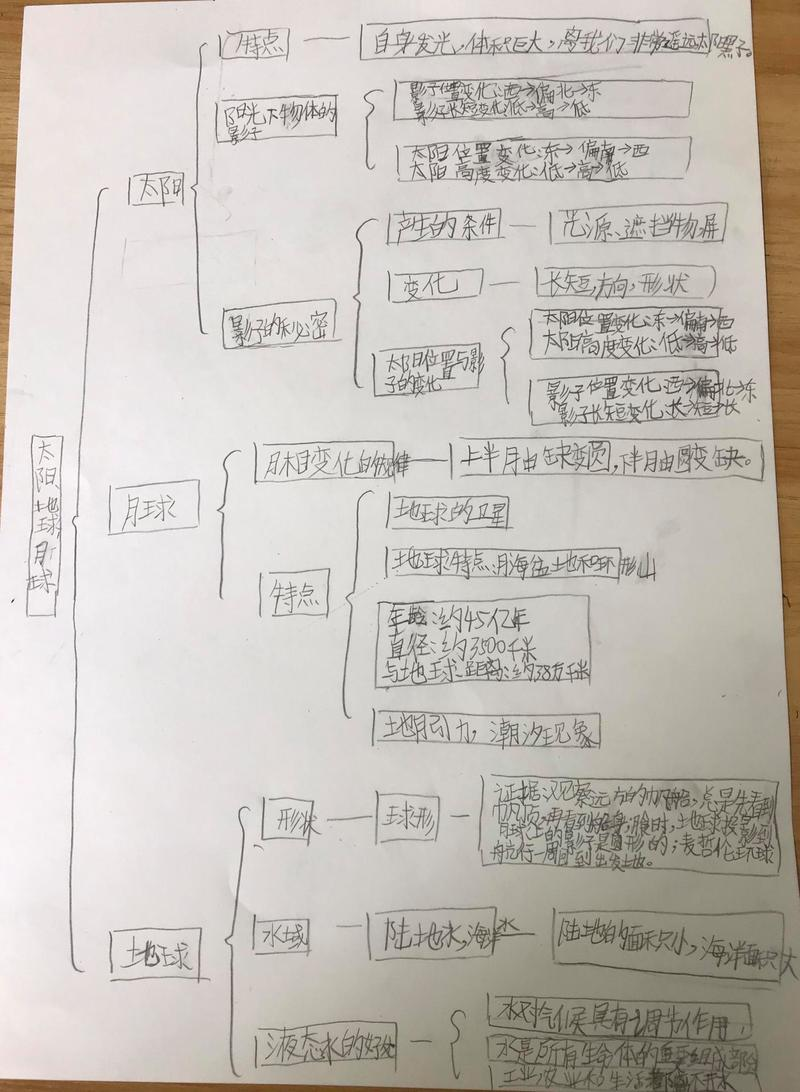
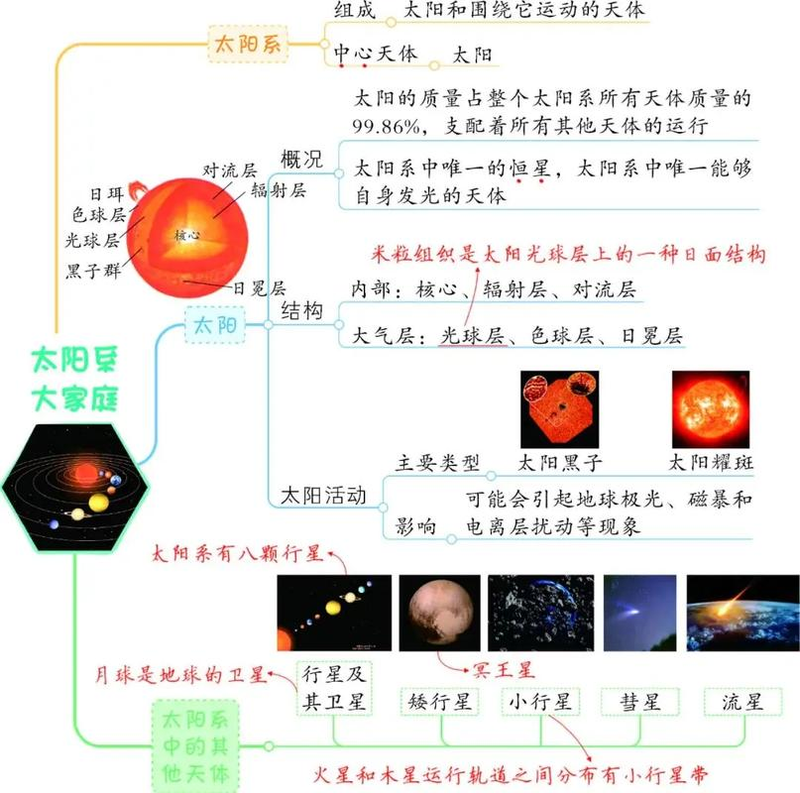
(i) primary knowledge level: detection and accurate description of the patterns of changes in the moon and the twilight, understanding of the scientific principles behind them; mastery of the relative dynamics of the earth, the moon and the sun, which can be expressed in scientific terms; ability to combine knowledge acquired with astronomical phenomena in life and to justify astronomical phenomena; and initial construction of the scientific perception of celestial bodies。
(ii) critical capability levels: in-person observation and documentation to improve scientific observation and modelling capabilities; analysis and reasoning of observation data to improve scientific introspection and judgement; interpretation of celestial phenomena with home-made models and the ability to migrate and apply solutions to new problems, acquire scientific methods and improve scientific literacy in scientific concepts, scientific thinking and practice。
(iii) the correct values and essential integrity level: to stimulate curiosity and a desire to explore the secrets of the universe; to develop a scientific attitude that is evidence-based, logical and realistic; to develop a sense of responsibility for the protection of the earth's environment; and to create a correct vision of the universe, with a preliminary reflection on the relationship between man and nature, man and the universe。
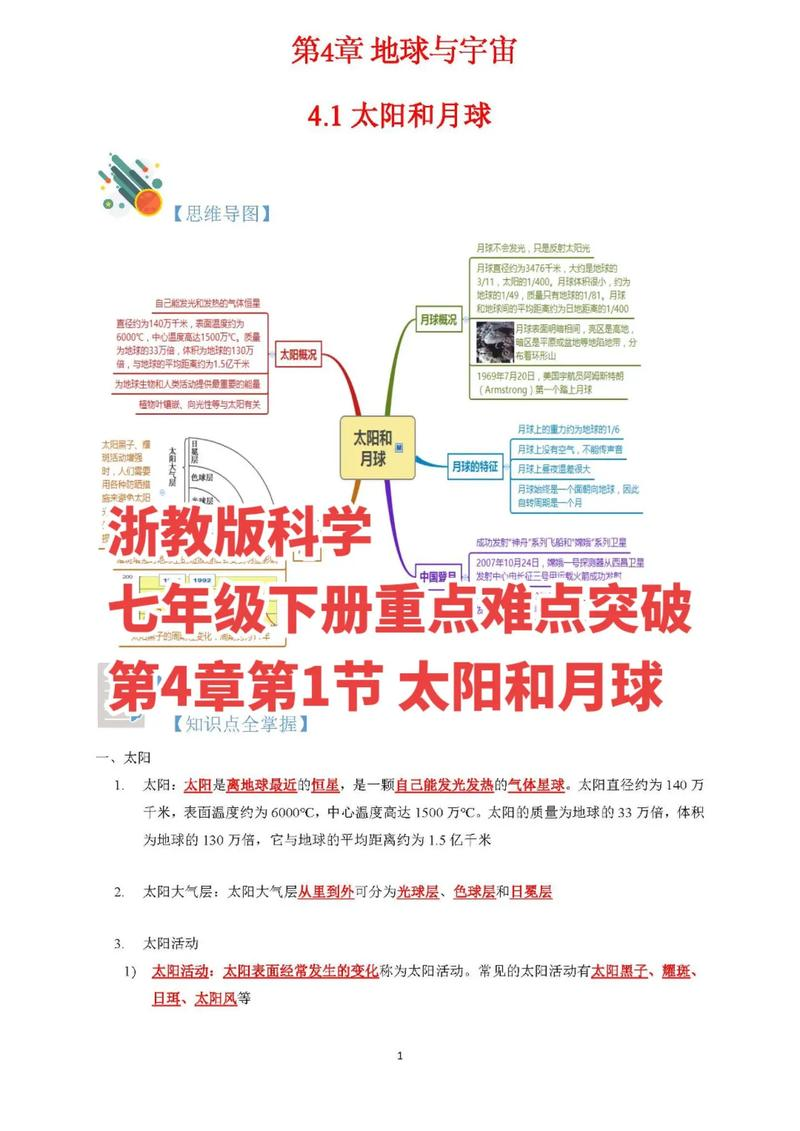
In addition, the teaching objectives of this module reflect two features: the emphasis on “doing secondary school, using secondary school, creating secondary school”, i. E. That the goal can be achieved only if the students are personally involved in a variety of practices; and the adherence to be visible and assessable, with concrete results, to make learning results visible。
Iii. Pedagogical design innovations
The teaching design of this module is holistic and systematic. On the basis of the observation mission, which is based on the diversity of circumstances, students are expected to experience the process of “scientific observation - reasoning - expanding practice”. Its innovations are found mainly in three areas。
(i) mission and situational embedding: breaking the teaching challenge. In traditional teaching, astronomeric knowledge is often conceptualized, and the module is designed to embed astronomical knowledge systems into diverse contexts of life, resolution and culture, so that observation missions are closely linked to real scenes, making it less cognitive, giving learning activities more practical and cultural content, and responding effectively to the dual requirements of the curriculum standards for “exploring practice” and “scientific thinking”。
(ii) system-level incremental construction: the thought ladder for consistency and rationality. A step-by-step learning path through a systematic and holistic approach to understanding rational thinking: at the scientific observation level, teachers carefully designed the form and focus of their observations to guide students to discover the patterns behind the phenomenon; at the level of reasoning, they helped them to move beyond visual perceptions through modeling, simulation, extrapolation of results, consolidation of evidence and scientific interpretation; and at the level of practical outreach, closer to life and knowledge migration. This system-level evolution not only avoids the fragmentation of teaching, but also ensures that thinking training advances in tandem with knowledge accumulation and provides strong support for the development of students ' higher-level thinking。
(iii) multi-tool empowerment: developing teaching resources to meet different needs. The development and integration of teaching tools such as tiered learning sheets, dynamic models, digital resources for new technologies, etc., based on the need to observe the advancement of the mission, provide a complete support system。
Iv. Pedagogical implementation
Based on the theme of the module, the learning content of the module is consolidated and converted into two observational main tasks, namely, “cyclical patterns of change in the month” and “wympic changes and timing tools”, followed by the creation of a multi-dimensional context along two main lines, respectively, that drive a gradual learning path and lead students to active participation and autonomy in learning。
(i) internalization of life-type situations in observation missions
The presentation of photos of the mid-autumn jubilee momentum led to the mission: “the school is holding summer and night fairs, so help determine the best time and give reasons.” the student group discussion resulted in a programme to accomplish the mission。
Scientific observation: disaggregation into specific tasks based on programmes discussed by students: record the moon-phase shape, time of appearance and location for a week in and around the mid-autumn festival, and draw the " month-phase change map " 。
Arguments: guide students to model the moon around the earth using flashlights (the sun), ping-pong (the moon) and instrument earth. The student grouping operation adjusts the light source to the position of the two balls to observe the light effect at different angles. The students are guided to speculate on the relative position of the “full moon”, the moon and the day, and to sum up the pattern, which is then validated through simulation experiments。
(a) practice outreach: timely capture of questions raised by students at the seminar: “why is 15 months of full monthly agricultural calendars only 15 august recognized as the holiday of reward?” as an outreach exercise. Students have access to information to analyse the importance of the 15th of august in terms of cultural background, agricultural production, etc. Each group shares the meanings of discovering it as a symbol of “reunification”。
(ii) embedding of a critical situation into an observation mission
The lunar surface video of the lunar car in the classroom led students to the question: “why does the circumpolar mountain look different at different times?” this is the point of exploration。
Scientific observation: once again, students watch the video, watch carefully the changes in the light at different angles of the ring mountain and try to describe the difference in the light。
Argumentation: set the mission: please design an experiment to measure or extrapolate the position of the moon and the sun. Each group receives a small lamp (in lieu of the sun), a foam sheet (incarcerated with a circular mountain) and a ping-pong ball (on behalf of the moon). Students regulate light angles, observe changes in ring shadows and record data, and predict the relative position of the moon and the sun at a given time based on experimental results。
Practice outreach: broadcast news about the trans-satellium bridge and asked, “why is the moonback an unknown field for humans?” students look at the relationship between the rotation of the moon and the public and how this mode of movement leads to a constant back to earth. The team sent representatives to share the findings。
(iii) embedding cultural contexts in observation missions
A graphic display of classic poems such as the gulang moon led to the task of: “why do the ancients discuss and shape solutions to this problem when they describe the moon as it often corresponds to the dark days?”。
Scientific observation: according to the programme discussed, students observe the first 1 to 30 months of the agricultural calendar in the following month, recording the characteristics of the new and full months。
Arguments: summarizing observational records and speculating on the conditions under which the new and full moon was formed. In conjunction with the words “the first month of the month, the 15th moon” in the aerobic anthem, students are guided by the three-ball model (simulation of the sun, the ping-pong for the moon, the earth for the earth) of the location of the new and full moon, which validates and summarizes speculation。
Practice outreach: students use hardboards, colour pens, etc. To produce a “monthly wheel”, which is then displayed. The student groups cooperate in investigating the role of the chasm in agricultural production and living practices and summarize the results。
The teaching process has been integrated with the primary task of unit observation, designing a variety of real situations and continuous practical activities that students can understand, while at the same time developing a variety of teaching tools to provide a thinker for students to perform observation tasks。
(daiko, author, bintasi street elementary school, peizawa, taiwon city, shanxi province)
People's education, no. 15-16 of 2025