Snowy weather is not usually closed at high speed. The following is a detailed answer to this question:
Impact of snow weather on high-speed movement
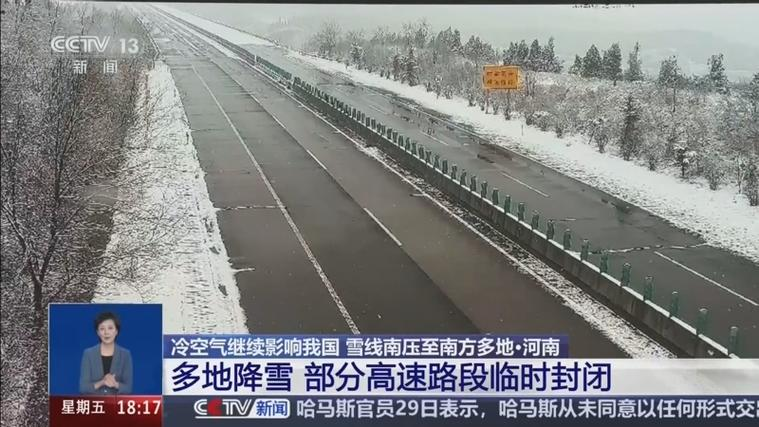
In general, small snow weather does not lead to highway closures. This is because small snowfalls are small and usually do not cause heavy snow or ice accumulation on the road and do not seriously affect the driver's vision. As a result, in light of the snow, the highways are still able to maintain normal traffic。
Conditions for high-speed closures
Although small snow weather does not lead to high-speed closures, under certain conditions, highways are closed under transport regulations. These include, inter alia:

Heavy rains and snowstorms cause large areas of water and ice: highways are closed when large areas of water or ice accumulate on highways and vehicles are unable to travel normally。
Large fog weather has low visibility: on the highway, the highway is closed if it results in visibility of less than 50 metres and the fog area is more than 3 kilometres long or 30 metres long。
Snow or ice freezes to a certain extent: highways are similarly closed when snow is up to 0. 5 cm or ice is frozen after snow and the length of the road is more than 1 kilometre。
Conclusion
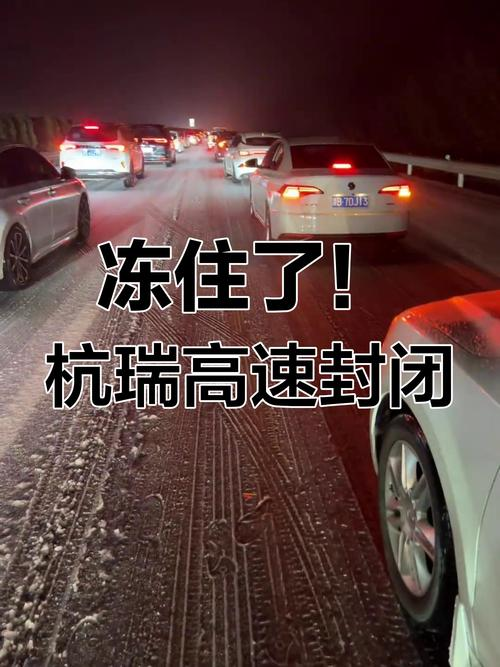
In summary, small snow weather does not usually lead to highway closures, as snowfall and impact are not sufficient to trigger road closures. However, highways may also be closed in exceptional circumstances, such as when snow is accompanied by other severe weather conditions (e. G. Fog, severe cooling, etc.) or when it causes severe snow or ice conditions on the road. It is therefore recommended that drivers pay timely attention to weather forecasts and highway traffic before travelling to ensure safe travel。