Reporter, yang, intern, ja suk-hye
The department of agriculture and rural affairs of shandong province has recently issued circulars encouraging the development of rural pit pond fisheries, actively exploring green development paths that are coordinated between rural pit pond governance and fisheries production, and working to make rural pit ponds a reservoir for rural civilization and industrial development。
Among other things, a combination of town and jinan uses rural pit ponds to develop useful exploration of fishery production, and studies five models suitable for promotion in shandong province, such as pond eco-culture, pond engineering cycling, canopy farming, comprehensive fish farming and recreational fisheries, for use in the management of ponds。
Main thrust model for rural pit pond management and fisheries integration in shandong province points
I. Pond bioculture model
Rural pit ponds have been transformed into standardized farm ponds, with the option of eco-culture models. Main technical elements:
1. Pond conditions: pond size is appropriate for 3 acres to 10 acres; pond depth is 2. 5 m to 3 m, with a constant water depth of 1. 5 m to 2 m; water quality meets the requirements of fishery water quality standards (gb 11607)。
2. Cultivable species: large quantities of freshwater fish and high-value farming species。
3. Water quality regulation: strict control of surface source pollution. Water quality is regulated by microbiological formulations, aquatic plant floats, etc。
Production equipment: equipment such as aerobics, decoys, generators, etc。

Day-to-day management: field patrols, detection of exceptional and timely measures; adherence to the “four-decided” baiting method; preparation of livestock, medicines, sales records; and attention to safe production。
Ii. Engined current resources transfer
The pond engineering cycle water farming model, also known as the cycling micro-flow ecological farming model within the pond, is an intensive farming model. Main technical elements:
1. Conditions for pit ponds: an area of more than 20 acres, a depth of 2 metres and a constant water level of not less than 1. 5 metres; water quality meets the requirements of fishery water quality (gb 11607)。
2. Size of flow tanks: the area of flow tanks is 2 to 3 per cent of the total area of pit ponds。
3. Trunk construction: 5 m wide, 25 m - 30 m long, 2 m - 2. 5 m deep, 1 m push zone at the front end of the stream and 3 m at the end。
4. Cleaning area construction: construction of a suitable area of shallow and deep water zone and installation of flow walls and pumping equipment for circulation of water bodies in clean water zones. The appropriate amount of filtration fish, such as filtration, filamental fish, and beakages, such as river beaks, may be suitable for shrimp, crabs, and scallops. Water-sinking, pyrophoric and floating plants, which account for between 20 and 30 per cent of the total area of clean water, are grown and require the timely removal of excess or dead aquatic plants. Strict control of surface source pollution。
Nutrient varieties: selection of preferred varieties of higher economic value。
6. Production equipment: equipment such as water-pushing equipment, aerobics, decontamination facilities, fish-capturing facilities, generators, water-quality monitoring systems, etc., the power of each equipment should be matched。
Day-to-day management: intruding ponds, cleaning of sewage in farming systems in a timely manner, and detection of exceptional and timely measures; adherence to the “four-decided” baiting method; preparation of farming, medication, sales records; regular maintenance of equipment; and care for safe production。
Iii. Cylinder farming patterns
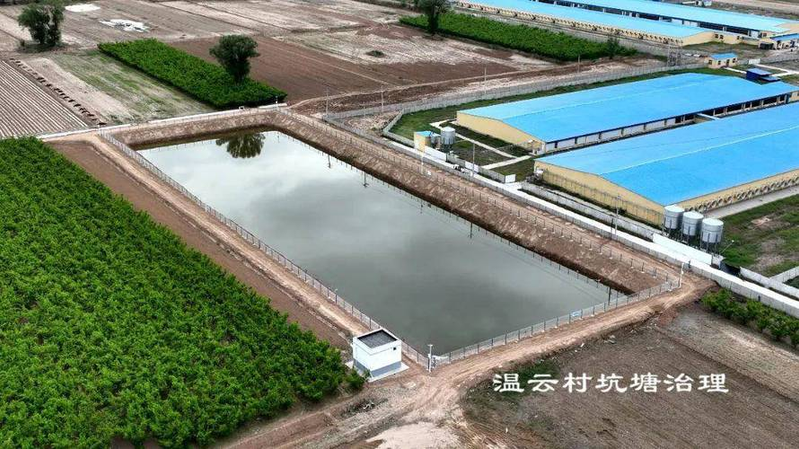
Cylinder farming is a form of intensive farming, with the construction of cylinder farming facilities either in ponds or using idle land around ponds, where the pits are a water-quality purification area, and the ecological purification of the farm tailings. Main technical elements:
1. Conditions for pit ponds: the size of the pits is 20 acres or more, the depth of water above 2 metres is desirable and the level of water is not less than 1. 5 metres per year. Five acres to eight acres of pit ponds with one cylinder。
Cylinder construction: 6 metres in diameter - 10 metres in diameter, 1. 5 metres in height - 2 metres in height, bottom funnel shape, installation of excreta separation devices and connection to sewage discharge pipes. Land-based cylinders are installed into the ground approximately 40 centimetres ~ 60 centimetres, and water-based cylinders float into water and lay surface operating platforms。
Water quality: water quality in pit ponds, which meets the requirements of fishery water quality standards (gb 11607); strict control of surface-source pollution; water intakes in pit ponds are located in deep-water areas at the far end of the cylinders, and stop nets and sand filtering facilities are built。
4. Wastewater management: pocket ponds as clarinet-planted tailwater purification areas can regulate water quality by planting cash crops such as lurch, setting up aquatic plant beds, applying microbiological formulations, leaching, and aqueous aquatic animals。
5. Segregation of excreta in cylinders, separated by excreta separation devices, entering the scrabble collection drums or fermentation ponds, producing fertilizers by fermentation and returning to the pits or surrounding crops。
6. Nutrient varieties: selection of the best-named varieties of higher economic value。
7. Production equipment: equipment such as drainage systems, thrusting equipment, aerobics, excreta separation collection facilities, generators, water quality monitoring systems, etc., the power of each equipment should be matched。
Day-to-day management: intruding ponds to clean up the sewage in farming systems in a timely manner and to detect exceptional and timely measures; adherence to the “four-decided” baiting method; preparation of farming, pharmaceutical use, marketing records; regular management of aquatic organisms and maintenance of equipment in pit ponds; attention to safe production。
Iv. Integrated fish farming patterns
The integrated fish farming model is the prevailing pattern of use in rural pits, where the cultivation of fish shrimp and the planting of lily are ecologically complementary. Main technical elements:
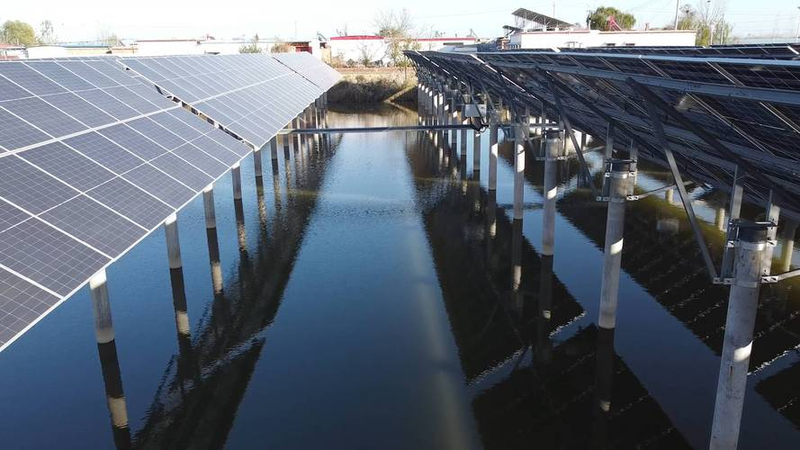
1. Conditions of pit ponds: the size of the pond may vary from site to site, with good water availability, clean water quality, easy drainage and irrigation, and a constant water depth of 1 m to 1. 5 m. Digging fish-shrimps and growing loops at a distance of 1 metre to the foot of the field, which is 4 to 6 metres wide and 1. 2 to 1. 5 metres deep; and setting up escape protection facilities, installation of filtration nets in the water vent and installation of escape nets in the drainage vent。
2. Appropriate varieties: zirconium, ooze, crustfish and crayfish (crayfish) can be farmed with appropriate combinations of zirconium and summer flowers。
3. Cultivation management: seedling breeding should choose to take place at the end of the lubrication plant and the gestation of the seedling, the number of which is determined by management conditions. (c) strengthen summer management to prevent oxygen deficiency in fish and shrimp; and pay attention to safe production。
V. The recreational fishing model
Building on the dominance of rural suburban areas, the potential of local cultural brigades is being tapped, recreational fisheries are being developed, industrial chains are being extended and rural revitalization is being assisted. Main technical elements:
1. Conditions of pit ponds: environmentally sound, accessible, non-polluting sources around them, depth of pits 2. 5 to 3 metres, constant water depth 1. 5 to 2 metres。
2. Access to drainage facilities: full facilities to ensure that drought is filled and water is drained。
3. Production equipment: equipped with generators, aerobics, decoys, etc。
4. Accompanying: rational support for facilities such as recreational fishing, fish-seeing and fish culture。
5. Integrated management: establishment of well-established regulatory bodies, development, implementation and not limited to safe production, waste disposal, biosafety, etc。