In recent years, there has been a rise in enthusiasm for the construction of vegetable sheds everywhere. However, the fact that parts of the shed are often built in a manner that does not take into account local natural conditions or the suitability for the growth of a particular vegetable has led to a number of problems, affecting the production and quality of the vegetables and greatly undermining their usefulness。
So, what can we grow and what can we build。
Shandong
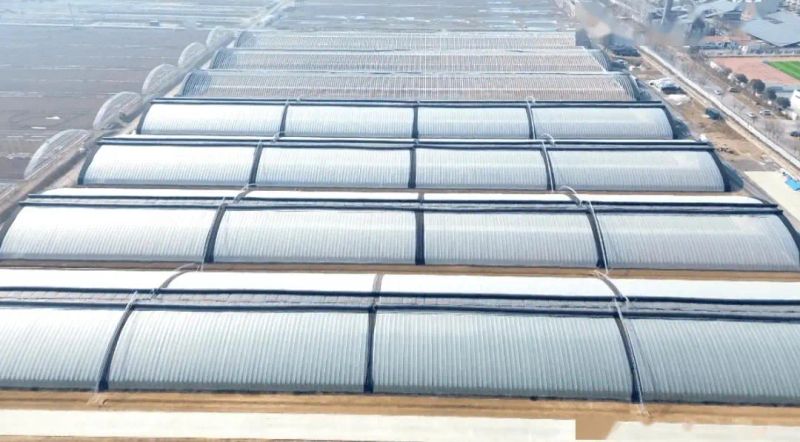
The 9th generation greenhouses in shandong, and especially the winter-heating solar greenhouses, represented by lifelight, represent advanced technology in chinese facilities agriculture, and have brought together a number of innovative designs, such as temperature preservation, heat storage and intelligent management. The following are detailed in terms of structural characteristics, strengths and limitations:
I. Core features of the greenhouse shed of the ninth generation
Structure design
Super-earth wall structure: wall heights of 9 metres, base width of 14 metres and top width of 4 metres, application of multi-layer crushing wall technology to significantly increase heat retention capacity and maintenance of temperature inside sheds during winter without additional heating。
High crossing optimization: the ratio between the height and the span of the shed is adjusted to 1:1. 5 ~1:2, with a longer and tilted backside to reduce heat dispersion and adapt to the winter climate in and around the shan east (e. G. Hebei, shanxi)。
The whole steel frame is free of pillars: welded skeletons with thermal zinc-plating steel pipe, increased weather resistance (over 15 tons) and open interior space to mechanization。
Smart support technology
Some of the high-end integrated material networking systems achieve 6-8 times the annual production of tomatoes in traditional greenhouses through sensors to control temperature, light, water, fat, e. G. Lacey wisdom。
Cover materials are selected using ultra-white minus antiglass (91. 5 per cent per cent per day or two long-lived membranes, which are covered by the thermotron and the automatic roller。
Ii. Visible advantages
1. Extreme temperature protection
A combination of earth walls and thick cover with night temperatures of 3-5°c higher than normal greenhouses, resistant to extreme temperatures of 15°c and suitable for fruit and eggplant cultivation in winter。
2. High productivity and economic efficiency
The annual output can be more than six times that of the traditional shed (e. G., 80 kg/m2) and the return on investment is short, with some cases returning in the current year。
3. Broad adaptation
The design combines drainage and windproofing, with a sub-surface structure for deep groundwater tables, and shallow water areas lower wall heights and adapt to different geological conditions。
Iii. Main shortcomings
1. High costs and land occupation
The construction of the earth wall is valued at approximately $60/m2 (the total price of the 100-metre-long standard shed is around $80,000) and the wall covers a 20-30 per cent reduction in net area under cultivation。
2. Ecological and policy constraints
The earth wall has damaged the farming layer, which the state has restricted to new construction; the brick wall substitution option is more expensive (approximately $80/m2)。
3. Technology dependence
Intelligent versions require professional maintenance and are difficult to replicate in remote areas; traditional earthwall greenhouses rely on experience management and are less automated。
Hebei
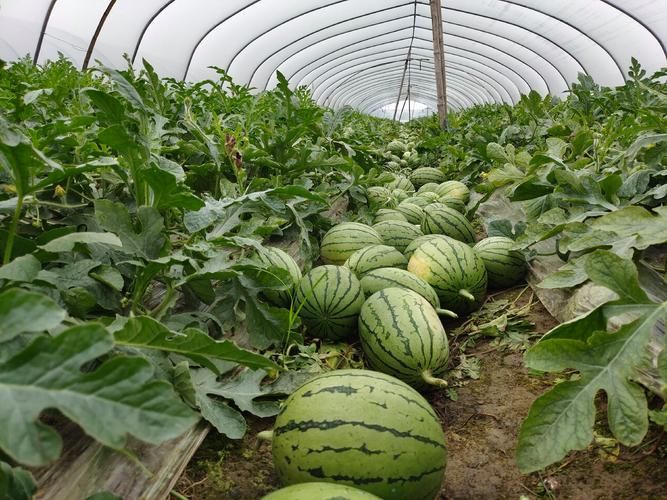
The area of zhongqing is the main vegetable production area at hebei facility. Compared to the solar greenhouses, the plastic sheds are less invested, land use is high and production risks are low, making them an important type of facility in the region。
1. “cube cube” bamboo structure sheds
Born in qingzhou, the type of shed that supports local guacamole production for more than 30 years has been introduced and promoted throughout the province and beyond。
The area of a single building is approximately 5 acres, supported by poles in the north and the south, with pillars in the shed, anchors on the east and west sides of the shed connected to the wires, which together form a network structure of anchors, wires and arch poles, poles, poles, plastic sheeting, etc。
At a cost of less than $10,000 per acre and with a useful life of more than 10 years, the main type of shed that is being cultivated by farmers is still found in the quyuzhou district and its techno-radiated area。
"cube cube" outside the masonry
However, with the development of modern agriculture, especially the emergence of new players, such as cooperatives, parks and others, it is difficult to mechanize and automate management because of the number of pillars and the low space available to me。
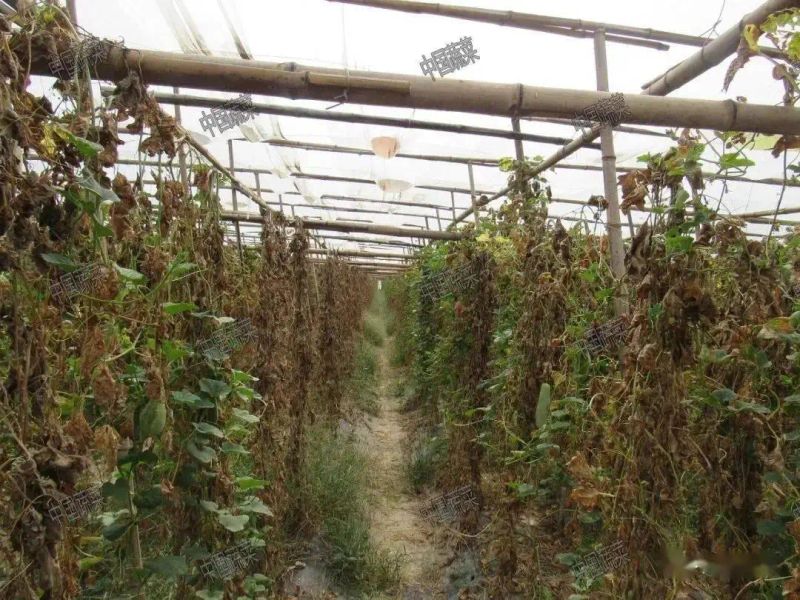
There are more poles inside the “cube” masonry
2. Structured structures
This type of shed is based on the “cube-cube” of bamboo and wood sheds, which are upgraded to a steel frame structure, removing columns and ridges and increasing space. It spans 6. 0 to 6. 5 metres, 6 to 9 chains, 50 to 60 metres。
The construction cost of 60,000 to 80,000 yuan per acre is easy to mechanize, suitable for sightseeing, variety display and high-end melon production。
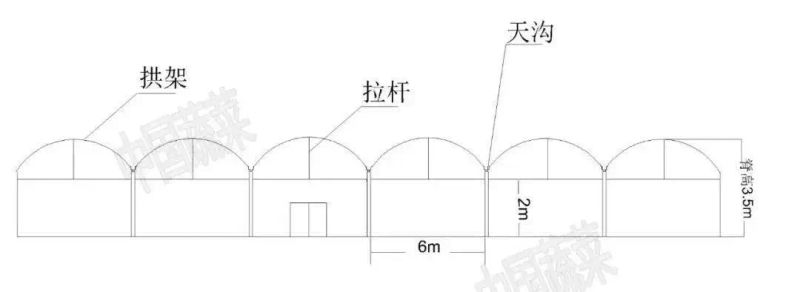
Map of the structure of the steel frame
3 steel shelf temperature-preserving sheds
The length is 17 to 21 metres, 60 to 90 metres, and the ridge is 3. 8 metres high, with two row pillars in the middle, and the temperature is secured to cover the roller。
Construction costs range from 60,000 to 70,000 yuan per acre, and the interior space is large, allowing mechanization, with increased temperature protection, increased temperature protection and longer spring and autumn delays。
Outside the thermostat
Inside the thermostat
Four, double arc of steel
It is 20 metres outside, 18 metres inside, 5. 8 metres high on the outer ridge, 4. 75 metres high on the inner ridge and 60-90 metres long. Double arches, extra-heaviness is covered with drape machines。
The cost of construction per acre is approximately 150,000 yuan, suitable for mechanization and suitable for early and late spring production, which is further extended by increased temperature protection。
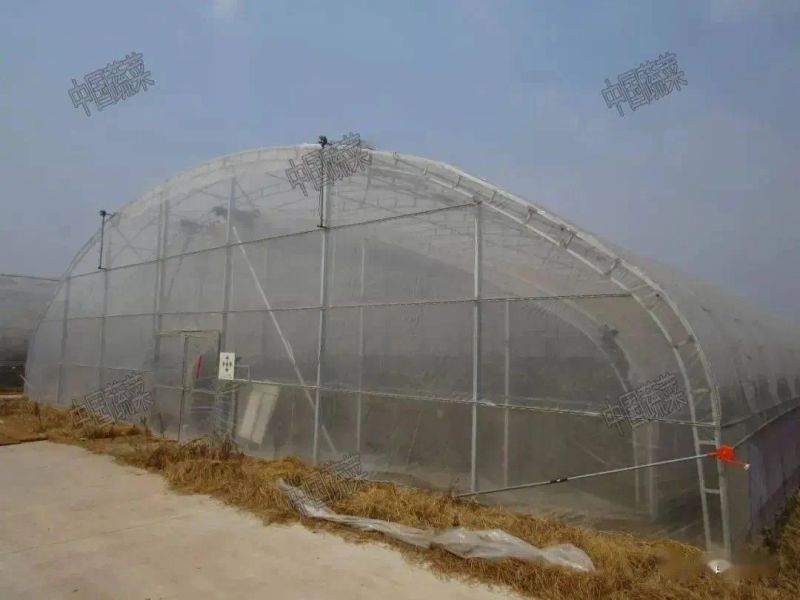
Two arches of steel, two-caps, two-film-preservative shed
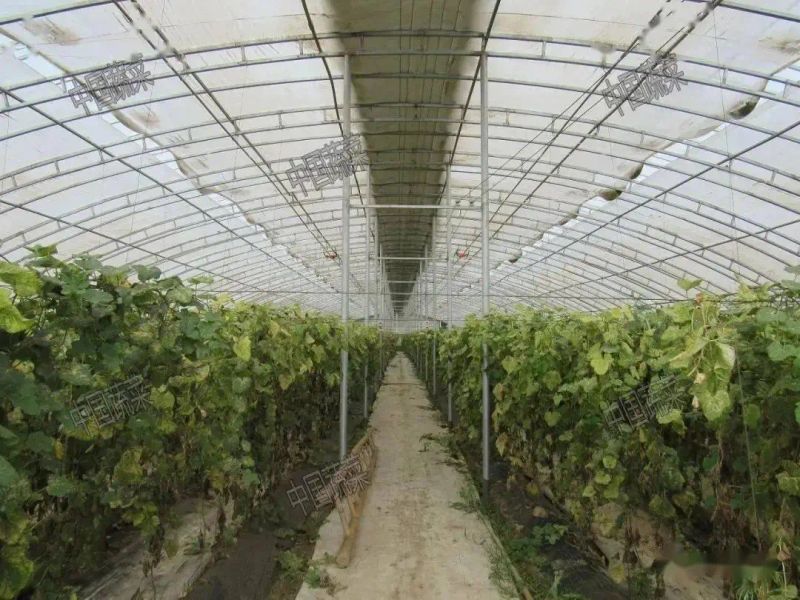
Two arches inside the hot tub
What about the temperature protection of different types of sheds
Four structures were determined to have higher average, maximum and minimum daily temperatures in early spring, february, and early autumn and winter (15 october to 15 november) than the outside world, with the greatest temperature increase in the double-cap two-capped temperature-conservation sheds of steel, followed by steel-conservation sheds, steel-coated structures and “cube” bamboo structures。
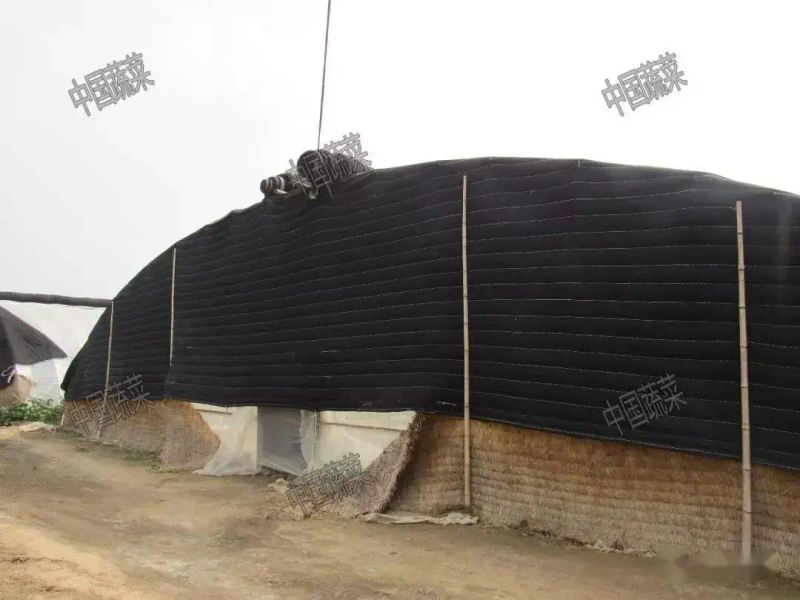
During the period from 15 october to 15 november, the average daily temperature of the two hot sheds was significantly higher than that of the “cube-cube” bamboo structures and steel-mounted structures, which increased from late october to mid-november, when the average daily temperature varied by about 10°c。
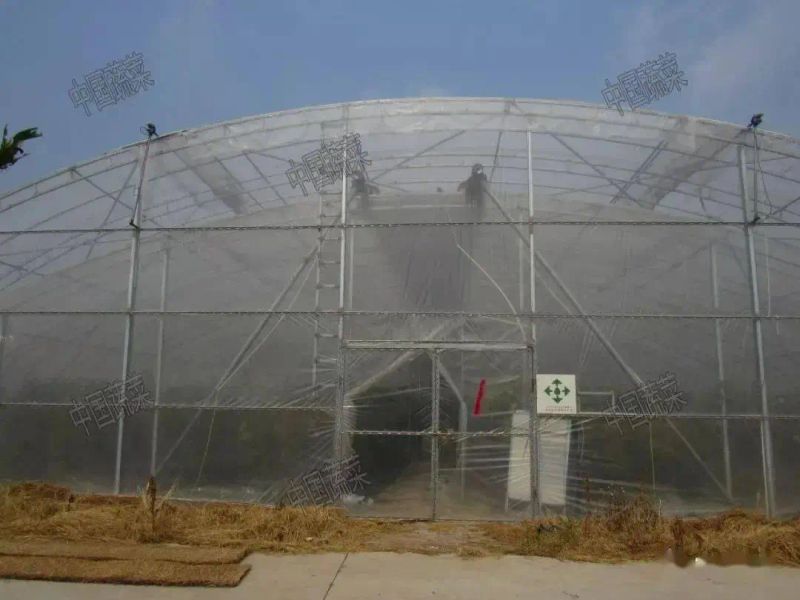
What production patterns are suitable for different types of huts
One, a big pickle
It is suitable for a “cube-cube” masonry and a chain of steel。
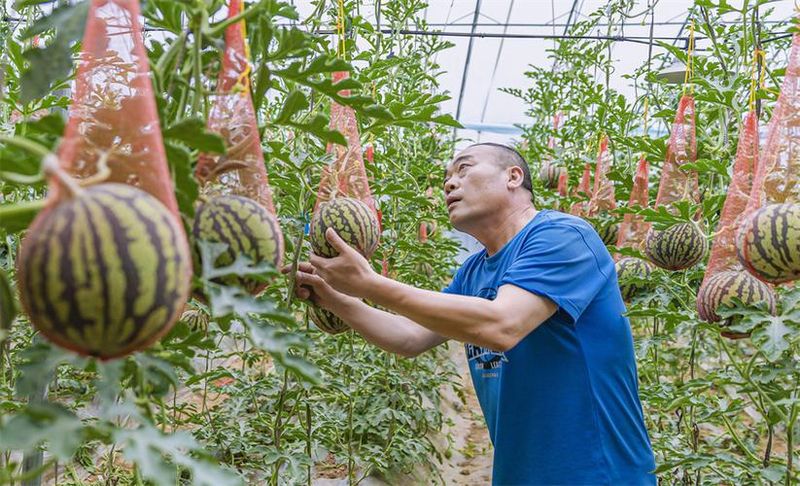
The choice may be made for melons of thin skin or watermelon, which are chosen mainly for species such as croissants, boyang 61 and boyang 9. A line distance of 1 metre and 30 centimetres, with approximately 2,000 plants per acre. Take the whole chicken branch. After the first harvest, one of the plants was divided between them and it continued to be kept on the chickens and grandchildren。
Watermelon can be used for watermelon varieties such as honey and ink, and for mackerel。
2. Early spring pickles - autumn pickles
All four types of shed are applicable. Premature springs can be used to select melons, cucumbers, tomatoes, etc., and to pull when prices are low between july and august。
In autumn, cucumbers, tomatoes, beans, etc. Were selected, cucumbers and cucumbers were broadcast in early august, and tomato seedlings were planted at intervals of two to three real leaves。
3
Suitable for two hot sheds. On the basis of the two pickles, together with the early spring pickles — the autumn pickles — and on the basis of which the hot sheds are used to protect the warmth, the winter and early springs are accompanied by a pick of spinach, aroma, artemisinin, aromatic vegetables, etc., which are broadcast live in early december and are collected in due course during the reproductive period and market conditions。
Four, early spring pickles
All four types of shed are applicable. In the early spring seasons, fruit and vegetables are arranged for the production of leaves, the choice of heat-resistant varieties for the hot seasons and the selection of cold-resistant varieties for the cold seasons, including lettuce, cabbage, cabbage, spinach, cuisine, artemisinin and sesame。