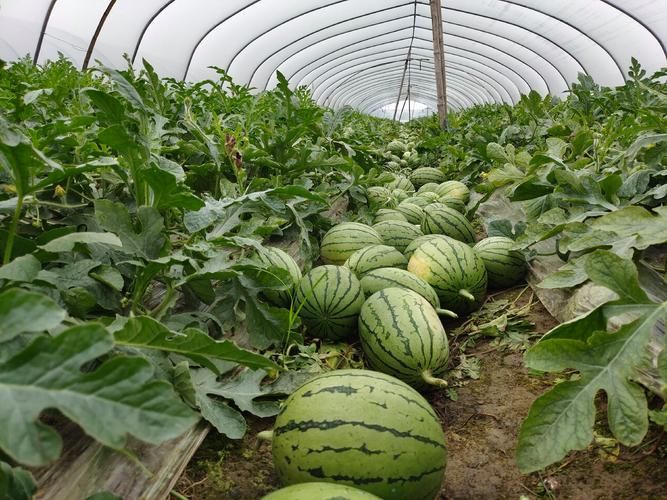
Watermelons are cultivated in the sheds, which are grown once before the planting takes place, with foot-floor fattening, 2-3 tons per acre of decomposed farmers and 100 kg of compound fattening, and then they are then ploughed to level the fertilizer with the earth, and the sheds are built and selected to move in the afternoon. The main technical measures are:
(i) deplantation in due course: some 20 to 30 days after marriage, the seedling grows to one centrifugal of the three leaves。
(ii) prevention of spontaneous rooting: the interface should be approximately 1 cm above the ground level at the time of planting, covered by a membrane。
(iii) appropriate thinning: strewn roots are strong, absorbent and growing, and should be properly rared at a distance of 2 m x 1 m, and 300 to 350 acres。
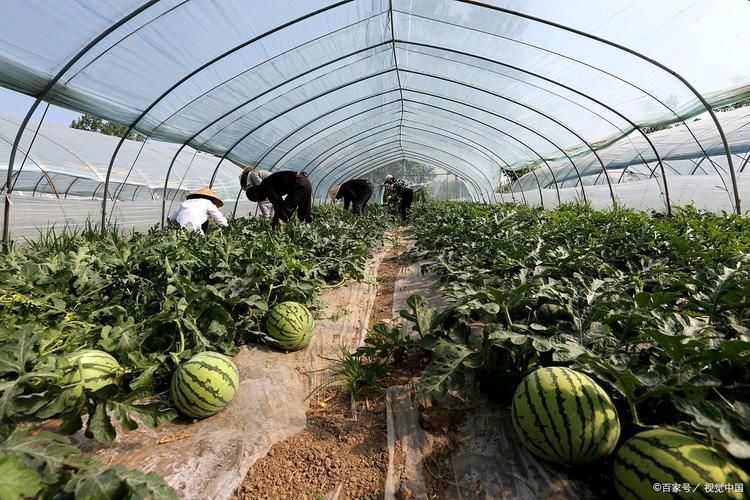
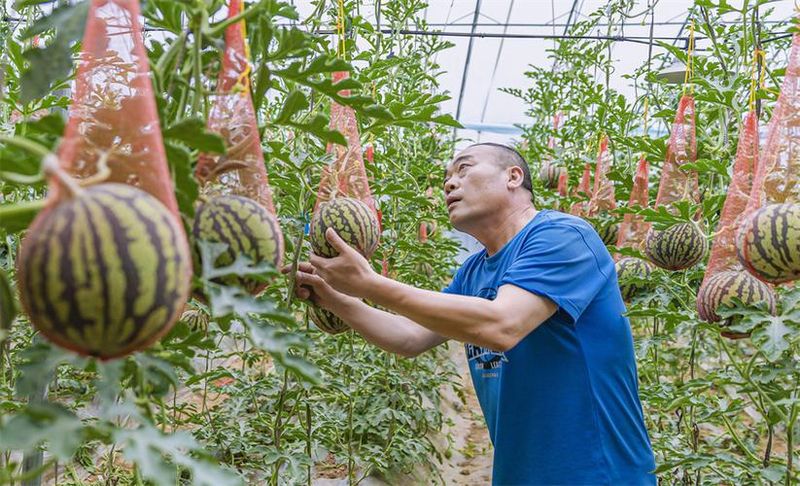
(iv) rational whole branches: the whole of the three craniums shall be singled out in a timely manner of up to eight knots, and the second or third normally developed melons shall be selected for one or two of each of them for artificially assisted pollination。
(v) pre-cipient control of growth: acupunctured seedlings, based on the application of foot bottom fertilisation, are to be followed up with flexibility on the basis of the strength of the plant, and the first fertilisation is to be carried out after the extension of the chicken and 30 kg of compound fertilizers。
(vi) hydraulic management: as the soil in the shed is very wet and the leaves are long, care should be taken to reduce the water in the prior period, the melons should be logistically watered, and the water should be controlled as it matures, in order to colour the fruit and increase the sugar content of the fruit and to accelerate the maturity of the fruit。
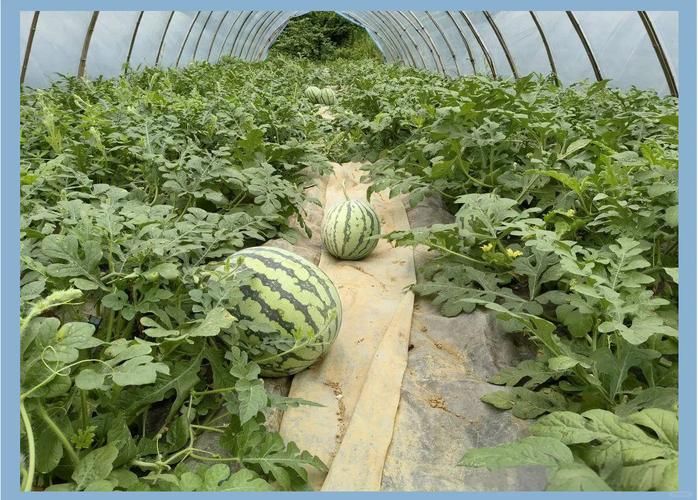
(vii) man-aided pollination: the production of watermelons is carried out by hand-aided pollination, usually at 10 a. M., with the selection of large males, the display of giraffes, light touch on the head of the female column, so that the pollen is evenly laid on the head of the column, such as in the event of cold temperatures or poor weather, when the male is removed the previous afternoon, placed in a closed container, room temperature is maintained at 25 °c, pollination is done after the morning and the date of the flower is marked after pollination in order to collect the melon in time。
(viii) patient control: bridging prevents aging watermelons from occurring, but it cannot be ignored in terms of strangulation and rotational length in order to prevent associated hazards and other diseases. Therefore, watermelons still need to be treated in an integrated agricultural manner without neglecting the role of pesticide control。