Q:
What's brucellosis
A:
Brucellosis (hereinafter referred to as brucellosis) is an infectious disease caused by brucellosis that seriously endangers the health of the population and the development of livestock. It is a category b infectious disease under the law of the people's republic of china on the prevention and control of infectious diseases, which is known by the general public as plaza and lazy. Humans are susceptible to most of the bacteria in the bucus. We now include epidemiology in category b infectious disease. Epidemic livestock are the main source of infection among humans, infected by exposure to sick animals and their products or their contaminants。
The province of gansu is one of the five major pastoral provinces in the country, and it is one of the provinces in which the prevalence of disease has been more severe in history, with outbreaks and epidemics occurring to varying degrees in 86 counties (cities) and districts throughout the province。
Q:
What's the resistance
A:
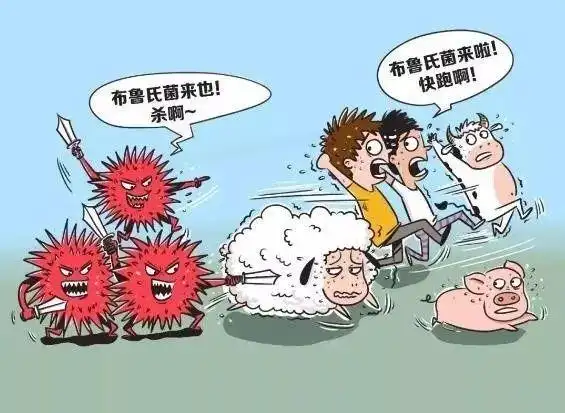
Bustella is sensitive to wet heat, ultraviolet and various rays, as well as commonly used disinfectants, antibiotics, chemicals, 3 per cent of bleaching powder and lysol water can be killed for several minutes; but it is strong in the natural environment and has greater resistance to low temperatures and drying, and it can survive long periods of time in milk and dairy products, fur, frozen meat, water and clothing。
Q:
What are the sources of the disease
A:
More than 60 animals are known to serve as host for the storage of brucellosis. Sheep, cattle and pigs are the most common sources of infection. Among them, sheep are the main source of human disease. In addition to sick sheep, cattle and pigs, other sick animals can also be a source of human disease, but generally give rise to only individual cases. People don't spread between people。
Q:
How did it spread
A:
Three main modes of transmission are direct contact, digestive tracts and respiratory tracts。
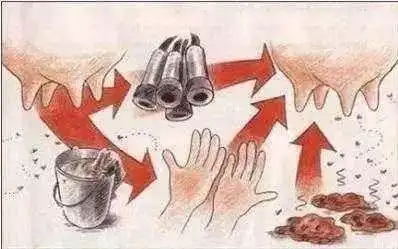
Direct exposure: direct exposure to diseased animals or their excreta, or lack of protection during breeding, milking, hair cutting, slaughtering and processing of skins, fur, meat, etc., can be infected by minor skin injuries or eye membranes。
2. Diffusion through digestive tracts: mainly through the consumption of food, water or raw milk contaminated with brucellosis, as well as unsophisticated meat, internal organs, etc. Some people prefer to drink raw milk, eat raw dairy products and have no distinction between raw meat and cooking, which can cause infection. In recent years there have been frequent outbreaks of disease caused by the consumption of raw goat milk。
3. Respiratory transport: commonly inhaled foam, dust contaminated with brucellosis. Leather processors, ring-cleaning and bulacter laboratory operators are vulnerable to infection through this route。
Q:
What are the clinical symptoms
A:
Bustella can infringe on the human body's mesh inner cortex system and cause multi-system organ damage. Insulated periods typically range from one to three weeks, with an average of two weeks, with some cases having longer insulated periods. Acute cases are characterized by heat, inactivity, excessive sweat, muscle joint pain and hepatic, spleen and lymphoma swollenness. The prevalence of chronic cases is manifested in joint damage, chronic fever, etc。

Q:
How's the procedure and the prognosis
A:
The duration of the disease varies, with a high rate of 3 to 12 months, and most patients receive timely medical treatment and regular treatment, generally with good prognosis. If the patient is not treated in a timely manner, he/she is vulnerable to acute transition to chronic and recurring conditions。
Q:
How to prevent disease
A:
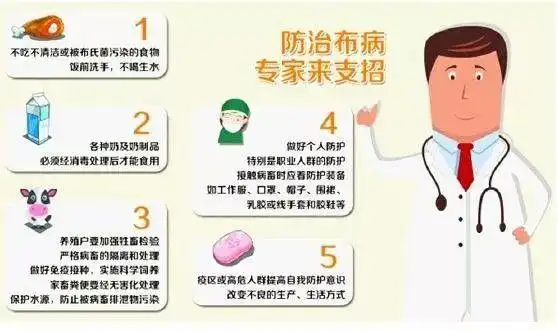
1. Farmers are required to perform scientific breeding and to regulate slaughter. The farm area is to be separated from the living area, the livestock ring is to be disinfected on a regular basis, its cleaning is to be wet, personal protection is to be provided and aerosols are to be prevented。
2. Quarantine is required for the purchase of livestock, immunization is required for the raising of livestock, strict control of the movement of sick animals and avoidance of the mixing of sick and uninfected livestock. Direct hand-to-hand contact with the pathogen and stillbirths of the sick animals is strictly prohibited, after which the animals shall be sterilized or burned, etc., and buried deep in the pits and the animals must be killed and treated in a timely manner。
3. For the general population, exposure to livestock, such as cattle and sheep, is minimized, and the meat of cattle and sheep must be cooked and cooked, especially when eating roasted meat, and the case boards, knives, etc. Are kept separate during home processing. Bulbella survives long periods of milk and dairy products and furs, but is not hot enough to be killed at high temperatures, so fresh milk is “cooked” before drinking。
4. Prevention of brucellosis among occupational groups
(1) increased awareness of self-protection and personal protection among occupational groups
1 awareness of hazards and personal protection。
The occupational groups must be fully aware of the dangers of disease, actively learn about disease prevention and treatment, and wear personal protective devices such as work clothes, rubber gloves, aprons, hats, masks and rubber boots in their daily work, as well as personal protection. Occupational groups such as those engaged in the production of vaccines and diagnostics and research in the prevention and treatment of diseases must wear one-time body protective clothing, footwear, n95 masks, emulsive gloves, one-time hats and, if necessary, glasses。
2 regulates operations and develops good habits。
The correct selection and regulation of the use of personal protective gear by occupational groups ensures the safety and effectiveness of occupational protection. In the workplace, the disposal of diseased animal excreta and abortion, dead animals and their meat, internal organs and furs, and work waste is done in a manner that ensures that all pollutants are not contagious. At the end of the work, the workplace and equipment, as well as personal disinfection, are prepared。
(2) implementation of protective measures by employers
Employers are actively involved in organizing occupational health training and raising the awareness of occupational groups about occupational diseases. The occupational sexually transmitted diseases population is provided with the working environment and conditions and the necessary protective supplies in accordance with national occupational health standards and requirements, ensuring the implementation of occupational sexually transmitted diseases protection measures. Occupational health checks for workers exposed to occupational diseases must be organized before, during and after work, in accordance with the regulations。
(3) the services and the regulatory authorities shall coordinate the implementation of preventive and control measures to reduce infection rates
The department for the prevention and control of occupational sexually transmitted diseases is actively involved in the dissemination of information on occupational sexually transmitted diseases. Occupational health education and the provision of efficient and accessible diagnostic services for occupational sexually transmitted diseases, with early intervention and detection in order to reduce the rate of infection among the working population。
Livestock, market supervision and control of occupational diseases are carried out from the source, at such points as the transport of livestock products, slaughter and quarantine, and immunization。
Health supervision departments are required to ensure that enterprises provide regular workplaces for workers and the necessary personal protective materials to reduce the incidence of disease。