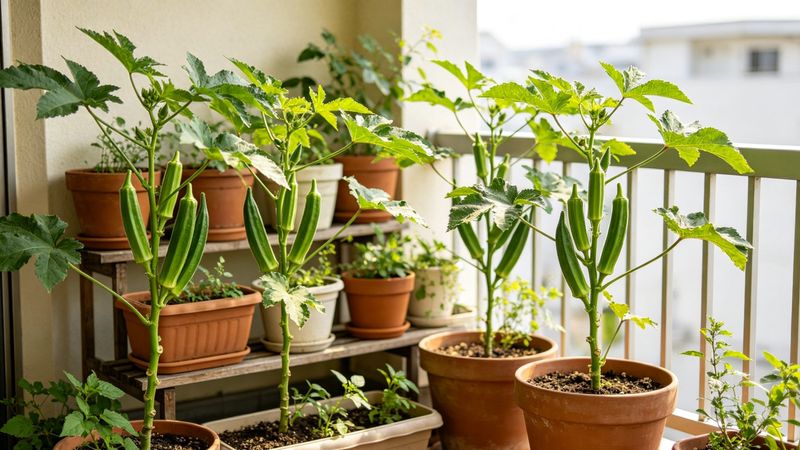
Agricultural cultivation refers to methods and techniques used in crop cultivation. As science and technology continue to improve and demand for agricultural production changes, agricultural cultivation patterns continue to evolve and innovate. This paper will present several common farming patterns, their characteristics and their use。
I. Traditional forms of farming
Traditional agricultural practices rely mainly on natural conditions and manpower, and are dominated by manual practices. This method of cultivation has historically dominated and has simple, direct and low-cost characteristics。
1. Artisanal farming
Artisanal farming is one of the most basic forms of farming. Farmers use simple agricultural tools, such as hoes, sickles, etc., to farm, sow, weed and harvest their land. This applies to small-scale, scattered agricultural land。
Natural irrigation
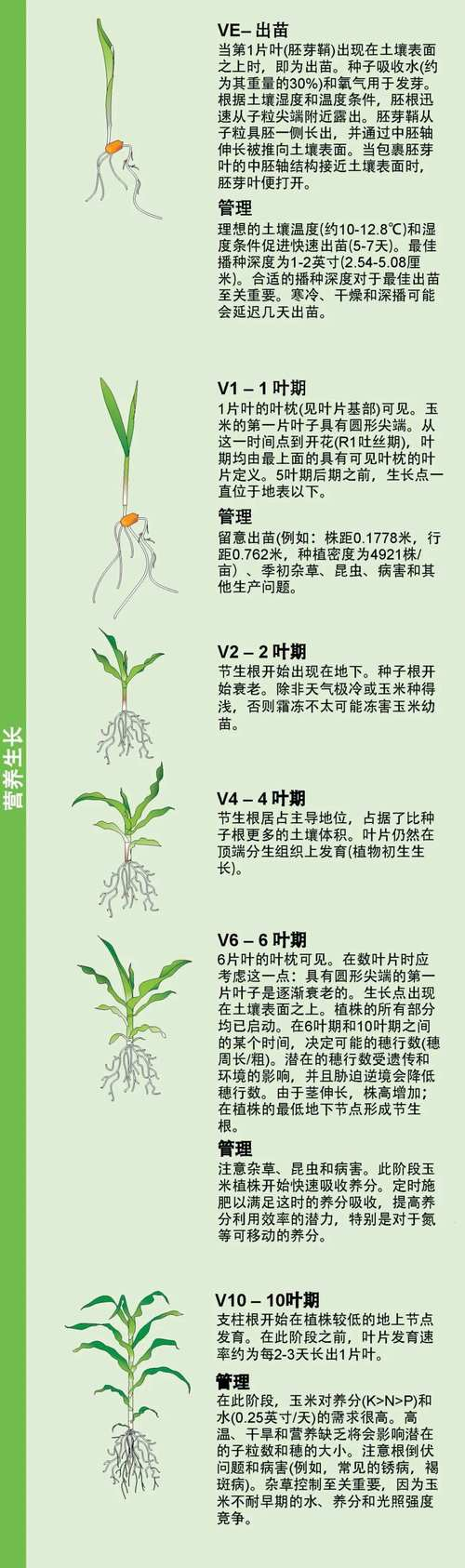
Traditional forms of agricultural cultivation usually use natural irrigation, such as rain and river irrigation. This approach does not require additional energy inputs, but is constrained by natural conditions and the effects of irrigation are unstable。
Ii. Modern forms of farming
With the development of science and technology, modern farming patterns have gradually replaced traditional methods and become the mainstream of agricultural production. Modern farming practices are efficient, environmentally friendly and sustainable。
Mechanized farming
Mechanized farming is one of the important symbols of modern agriculture. The use of mechanical equipment, such as tractors and harvesters, can significantly increase the efficiency of agricultural production and reduce human input. Mechanized farming applies to large-scale, intensive agricultural land。
2. Water-saving irrigation
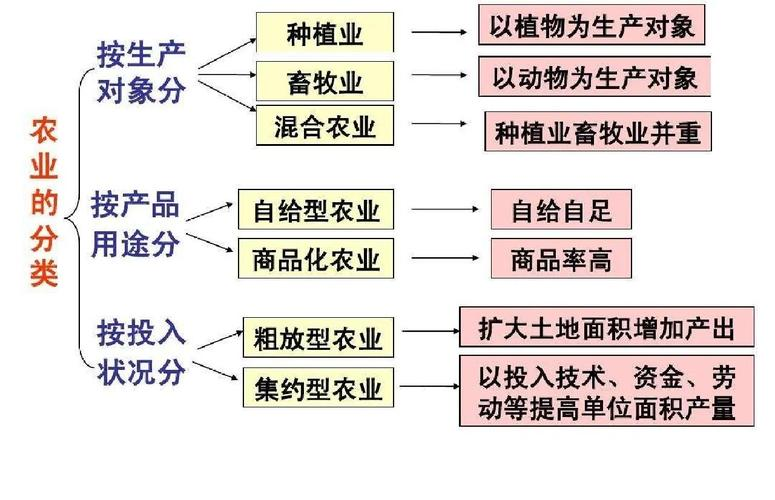
Water-saving irrigation is one of the important technologies in modern agriculture. The use of water-saving irrigation such as drip irrigation and spraying can effectively reduce water waste and increase irrigation efficiency. Water-saving irrigation is particularly relevant in areas where water resources are scarce。
3. Facilities agriculture
Facilities agriculture is a method of growing through the construction of greenhouses, sheds, etc., to provide suitable growth environments for crops to produce throughout the year. Facilities agriculture can break geographical and seasonal constraints and improve crop yields and quality。
Bioagriculture
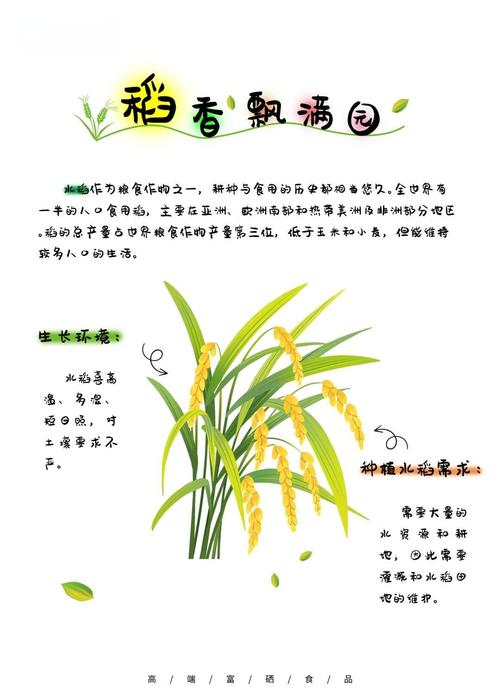
Bioagriculture is a form of cultivation that uses biotechnology to improve crop varieties and improve resistance to disease and insects. New varieties of excellence can be developed through technological means such as genetic engineering and tissue culture, which can improve crop adaptability and productivity。
5. Smart agriculture
Smart agriculture is the method of planting, using modern information technology tools, for intelligent management and control of agricultural production processes. Real-time monitoring and regulation of the agricultural production environment can be achieved through technological means such as physical networking, big data and artificial intelligence to improve the accuracy and efficiency of agricultural production。
The evolution of farming patterns is a reflection of the continued growth and progress of agricultural production. From traditional to modern agriculture, growing methods continue to be innovative and improved, providing more efficient, environmentally friendly and sustainable solutions to agricultural production. In the future, as science and technology continue to progress and apply, farming patterns will continue to meet new challenges and opportunities。