The public subject of the written examination for the state civil service is the administrative professional profession test and the commentatorial test, of which the administrative professional professional professional test is the objective test and the subjective test is the full 100th。
In order to help you prepare your candidates for the examination, the gansu public education centre has prepared the 2026 national civil service examinations to determine the legal criteria: labour disputes and their handling are expected to help you。
In the civil service examinations, labour disputes are one of the more important points of reference in the labour law, mainly in the form of cognitive tests, and we will follow up on the points of reference for labour disputes。
Scope of labour disputes
Labour disputes are those between employers and workers in the people's republic of china:
1. Disputes arising out of the confirmation of labour relations;
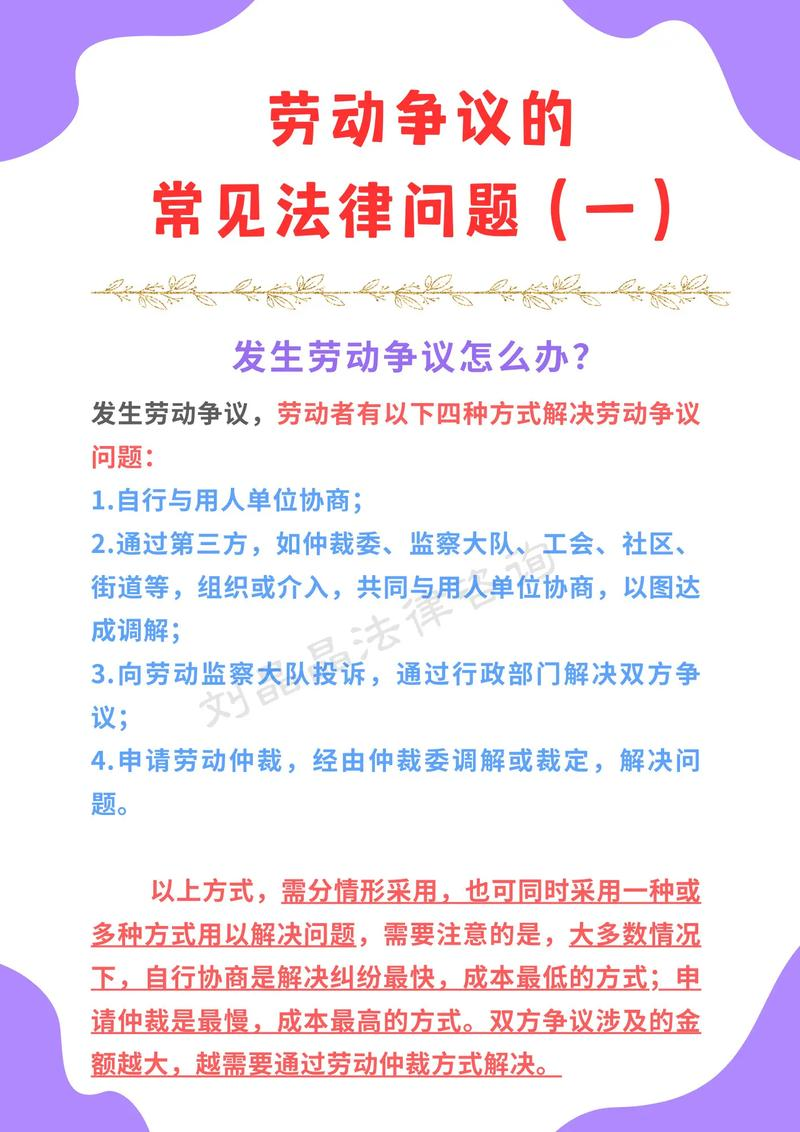
2. Disputes arising from the conclusion, performance, modification, termination or termination of labour contracts;
3. Disputes arising from delisting, dismissal and resignation, separation from service;
4. Disputes arising from working hours, rest periods, social insurance, benefits, training and labour protection;
5. Disputes arising out of remuneration for work, medical expenses for work injury, financial compensation or compensation;
6. Other labour disputes under laws and regulations。
In doing so, attention must be paid to the fact that individual or domestic employment is a labour relationship, regulated by the civil code. Labour disputes refer to labour-related disputes between workers and employers arising from labour relations, and it is easy to determine whether a good subject is a labour dispute or not。
Ii. Procedure for handling labour disputes
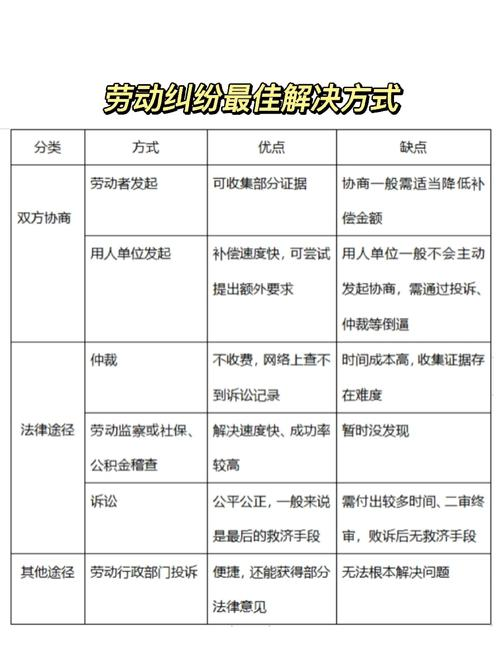
1. Consultations. After a labour dispute has arisen, the parties may voluntarily settle the dispute by negotiation。
2. Mediation. In the event of a labour dispute, the parties who are unwilling or unable to negotiate may conciliate with the labour disputes conciliation commission of their own office. Neither consultation nor mediation is an obligatory procedure for resolving labour disputes。
Arbitration. Failure to conciliate can be done by applying to the labour disputes arbitration commission (lac) or directly by applying to the labour disputes arbitration commission (lac). It is important to note here that arbitration by the labour disputes arbitration commission is an obligatory procedure for the settlement of labour disputes and that cases not dealt with by the labour disputes arbitration board are inadmissible by the people's court, i. E. “pre-arbitration”。
4. If the arbitral award is contested, proceedings may be brought before the people's court。
There is a need to focus on pre-arbitration in examinations。
What are the following (multiple selection) formulations of the settlement of labour disputes?
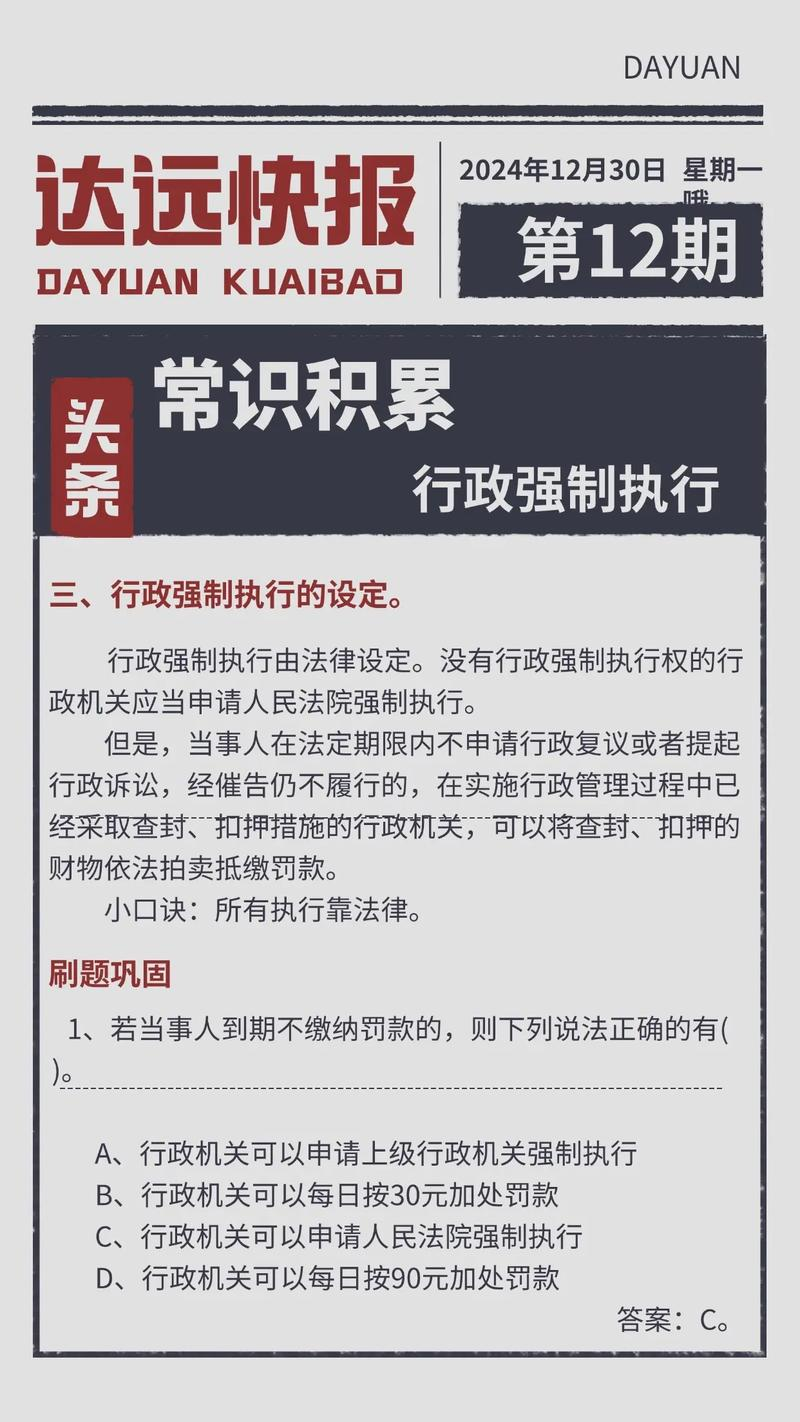
A. Labour disputes must be settled through mediation before labour arbitration
B. Labour disputes must be settled by mutual agreement
C. Award of arbitration in labour disputes is final
D. Labour arbitration must take place before the parties can file a complaint
Abc. Analysis: consultation and mediation follow the principle of voluntarism, and can be arbitrated without negotiation or conciliation, which is not a mandatory procedure for the settlement of labour disputes. The ab option is therefore wrong; in labour disputes, there is no question of a final decision against the worker, and if an arbitral award is contested by law, it can be brought before the people's court. Therefore, option c is wrong; in cases not dealt with by the labour disputes arbitration board, the people's court is inadmissible, so the labour disputes arbitration board's arbitration is an obligatory procedure for resolving labour disputes, so option d is correct. The correct answer to this question is abc。