


Title: jiangsu published ten typical cases of intellectual property in 2025

Triple path to combat abused protection innovation
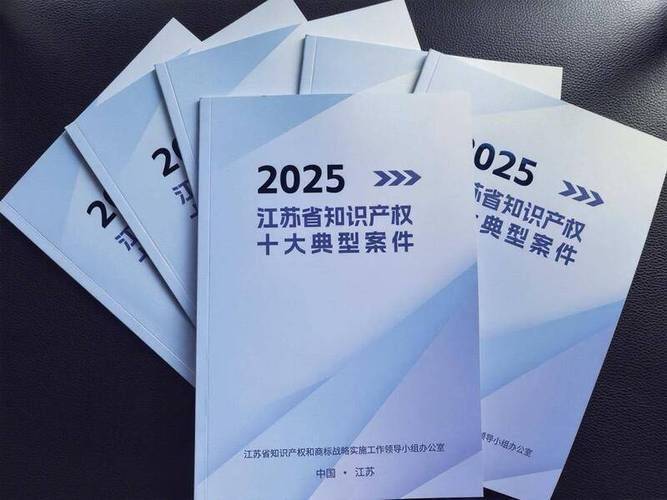
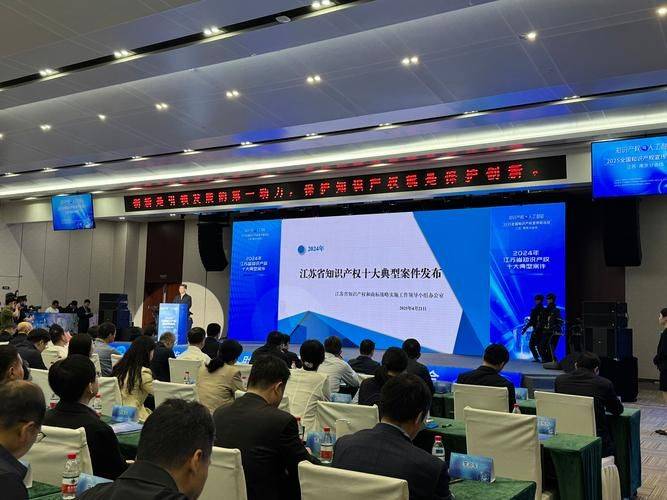
Recently, the office of the leading group for the implementation of the strategy on intellectual property and trademarks in jiangsu province published 10 typical cases of intellectual property in jiangsu province in 2025. Selected cases focus on priority industries such as integrated circuits, photovoltaic energy, new energy sources and emerging areas, integrating civil, administrative and criminal triple protection paths, a full chain to combat intellectual property abuse, and a full range of protection for technological innovation and industrial upgrading。
In the case of a dispute over patent rights against a chemical worker (quinshan) ltd. On land, dhuichi was awarded compensation of $120 million, resulting in the highest number of individual patent awards in the country, reflecting the “strict protection” of autonomous innovation by the judiciary. The plaintiff, dhui, was an inventor patentee of three technologies, and after the removal of the technology licensing relationship, the defendant only partially modified the equipment and process and continued to produce the product using the patented technology in question. The jiangsu high court found that the patented technology programme fell within the scope of patent protection, that the first-use defence was not valid, that it ordered the cessation of the violation and compensation for the economic loss of rmb 120 million and reasonable expenses of rmb 300,000. The supreme people's court upheld the ruling in second instance and made an optimal adjustment to the manner in which the violation was to be stopped and to solve the implementation difficulties。
In the case of a patent tort dispute over a “touching arc” system, the stabilization of the photovoltaic energy industry was maintained through a soft conciliation mechanism in administrative decisions to avoid the industry falling into a “litigation grid”. The applicant in the case, together with three of the applicants, were the head of the trade or the proposed listed enterprise. The department of intellectual property of jiangsu province, which adheres to the priority of mediation, actively leads enterprises to clarify technological boundaries, resolve differences and explore cooperation models such as cross-licensing and joint research and development, based on technical matching decisions. Ultimately, the four parties reach a settlement, the claimant enters into a patent cross-licensing agreement with the applicant, withdraws each other's patent tort claims and patent avoidance requests, and cooperates with the relevant technology。
In criminal cases of violation of commercial secrecy by some three individuals, the law severely punishes crimes against the development of new quality and productivity and protects the legitimate rights and interests of innovative subjects. The formulation and preparation process, which had been developed over several years, was a core business secret of the enterprise. In violation of confidentiality agreements, three former employees of the wang brought the company's technology to another company, organized the production of the same product and applied for a patent without permission, resulting in the disclosure of the technology secrets. Eventually, three of wang's class were sentenced to prison terms ranging from three years and six months to three years and nine months, with penalties ranging from $300,000 to $500,000。



