











World hepatitis day
28 july 2024
World hepatitis day
On 28 july 2024, the fourteenth world hepatitis day, the theme of this year's campaign in china. The liver is an important metabolic and detoxicating organ of the human body, with many important functions. Liver diseases have become the most common diseases that endanger people's health. Hepatitis is a common cause of cirrhosis, hepatitis cancer and viral hepatitis-related deaths, which pose a serious threat to public health。

As one of the most important organs of the human body
What does the liver do
How does hepatitis affect our liver health
How to protect liver health
Here, let's see。
01
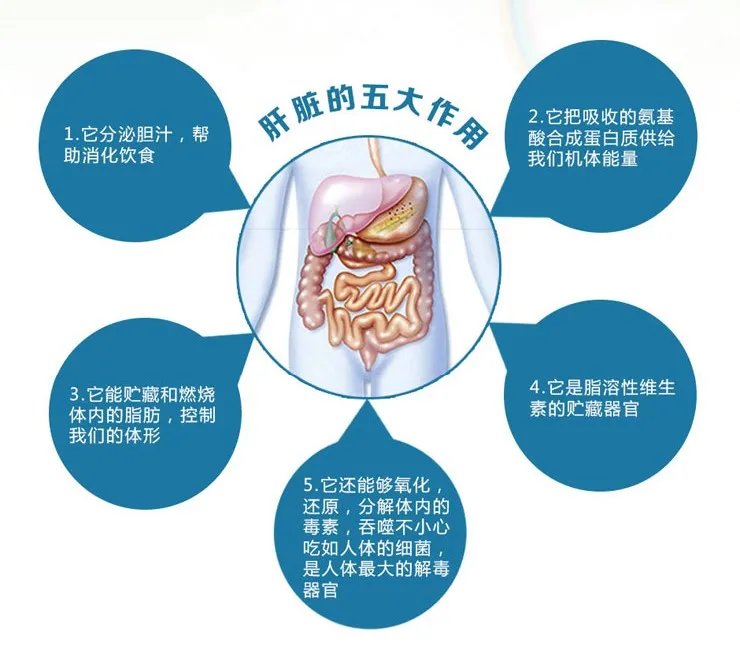
Main liver effects
02
What's hepatitis
Hepatitis refers to hepatitis. Often, hepatic cells are damaged and liver function impaired by a variety of pathogenic factors, such as viruses, bacteria, alcohol, drugs, and self-immunization factors. Among them, viral hepatitis is the main infectious disease that endangers the health of our people。
03
Type of hepatitis
01
Viral hepatitis
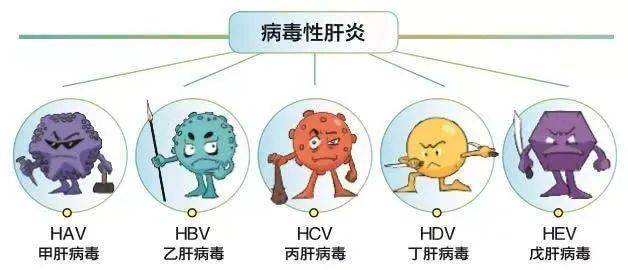
Among the types of hepatitis, hepatitis b and c are most frequently mentioned. What we call hepatitis in life is mostly viral hepatitis caused by hepatitis viruses, which can be divided into five types: hepatitis a, b, c, d, e, etc。

02
Alcoholic hepatitis
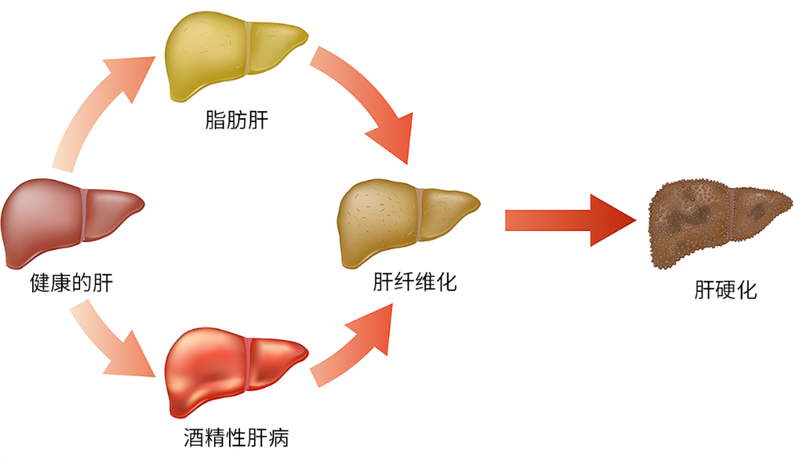
Alcoholic hepatitis is defined as hepatitis disease caused by long periods of heavy alcohol consumption. Among the types of hepatitis, alcohol hepatitis is the second most harmful to hepatitis b. Over-ingestion of alcohol tends to overburden the liver, causing hepatocellular damage and causing inflammation. There is a high incidence of alcohol liver, which can cause great harm to the human body。
Drinking is bad for liver

03
Nash (non-alcoholic fat hepatitis)
Non-alcoholic fatty liver disease (nafld) is the second largest liver disease after viral hepatitis, which affects at least one quarter of the world's adult population, due to various factors. Nash is a form of progress for nafld, associated with persistent hepatocellular damage, leading to fibrosis, and even to cirrhosis and end-stage liver disease。

04
Self-immunized hepatitis
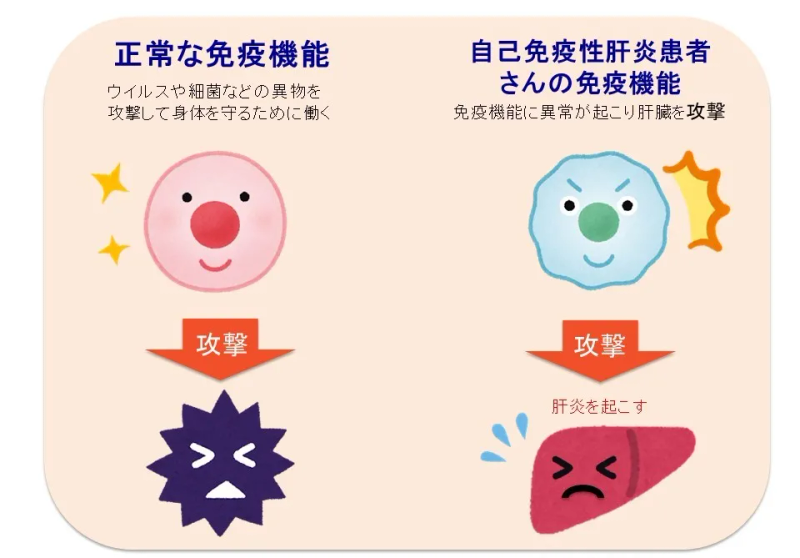
Self-immuno-hepatitis is associated with its own immune response, and genetic susceptibility is considered to be a major factor in its own immuno-hepatitis, with a high incidence of feminicide, which can rapidly evolve into hepatitis fibrosis, cirrhosis and liver failure。
05
Drug hepatitis
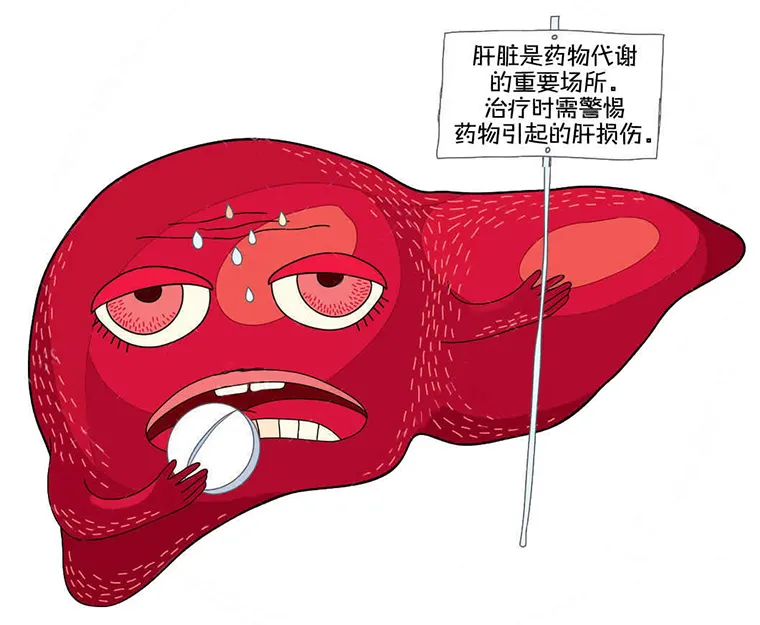
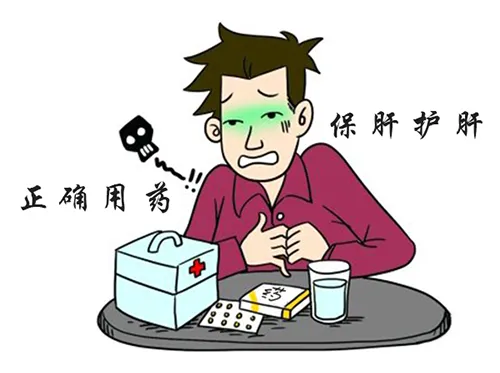
Drug hepatitis is defined as pharmaceutical-induced liver damage. Since the liver is the principal organ of drug metabolism, the liver is highly vulnerable to the effects of drugs. The main manifestations of drug hepatitis are bourbon silt, liver cell necrosis, cirrhosis, etc., which puts life at risk。
04
What are the common causes of hepatitis
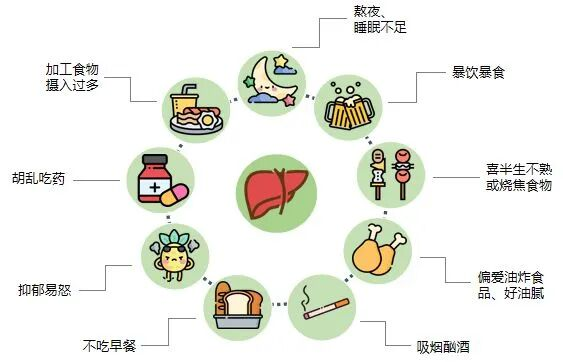
Hepatitis is the common term for hepatitis. Hepatitis occurs in humans when hepatic cells are damaged by a variety of causes, causing a series of symptoms of physical discomfort and abnormal liver function indicators. Factors such as viruses, alcohol, drugs, self-immunization, fat hepatitis are among the most common causes of hepatitis and can also lead to hepatitis when it is tired and liver。
05
Common clinical symptoms of infectious hepatitis
Early symptoms of hepatitis a: when hepatitis a first occurs, the patient is tired, does not want to eat, the urine colours are aggravated, sometimes with symptoms such as fever, severe eyes and yellow skin。
Early symptoms of hepatitis b: hepatitis b is acute and chronic, acute hepatitis b is more common, with nausea, vomiting, appetite, fatigue, sometimes hepatitis (the upper right) pain, skin filaments with yellow, hepatitis pain, laboratory tests with abnormal liver function, etc. Chronic hepatitis b is often less typical of symptoms and signs, with only a slight weakness and a high degree of fatigue, and most chronic hepatitis b is found during a health examination. Chronic hepatitis b is also likely to cause hepatitis pain。
Early symptoms of hepatitis c: the main manifestations are fatigue, low fever and more patients with no symptoms. Chronic hepatitis c patients are free of any visible symptoms for 20 years and feel weak and weak, and even after full rest, this fatigue will persist。
Early symptoms of hepatitis e: hepatitis e is generally classified according to clinical performance as acute yellow salivation, acute yellow-free, acute heavy and four types of choreography. In addition to weakness, abated appetite, nausea and vomiting, acute yellow scavenging patients also have urine yellow, yellow eyes, yellow skin and elevated chlamydia in blood. Hepatitis is even more severe, and hepatic comas can occur, life-threatening complications such as coagulation within a dispersive vein
The clinically common symptoms are shown in liver pain, spider moles, liver palms, yellow dyes of skin or membranes, digestive symptoms of abated appetite, etc. Some patients can chronicize and develop into cirrhosis of the liver, while a few can develop into liver cancer。

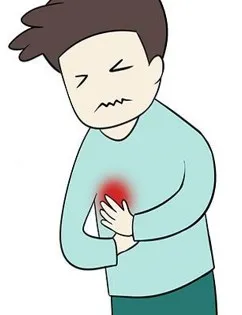

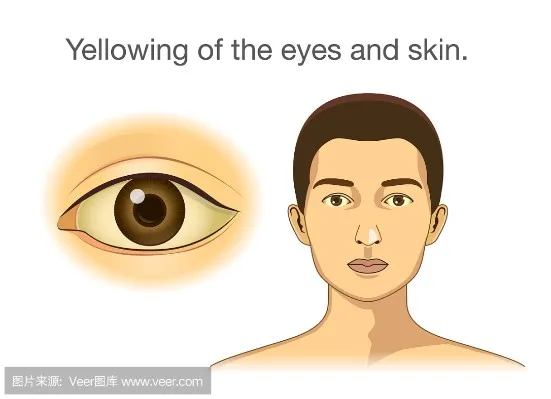
Spider moles, liver pains, liver palms, yellow stings, digestive symptoms
06
What are the routes of transmission of viral hepatitis
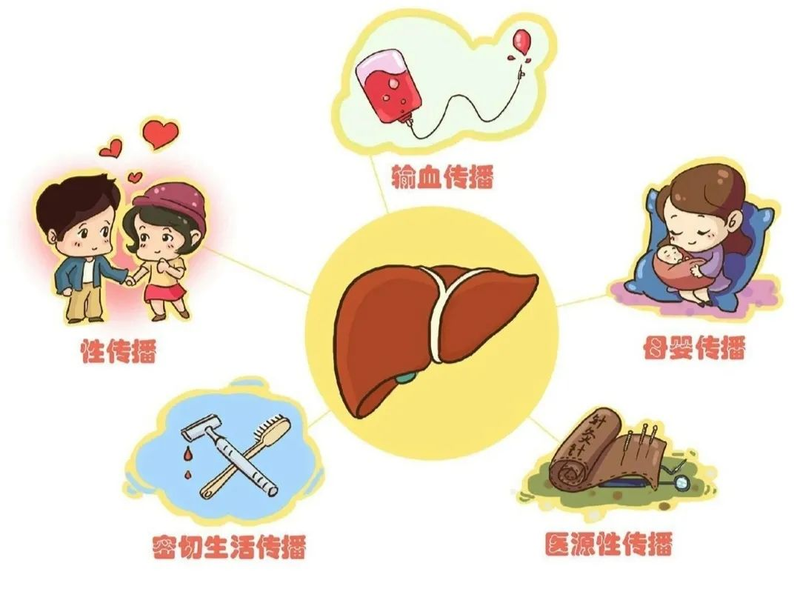
The viral hepatitis is extremely contagious. There are different ways of spreading viral hepatitis: hepatitis a and hepatitis e are transmitted through digestive tracts, such as patients who have mised food or water containing viruses. Hepatitis b, c and d are mainly transmitted through body fluids, including blood. Hepatitis b is more prevalent and the main transmission routes include the importation of unclean blood products, mother-to-child transmission, sexual transmission and medical transmission. Hepatitis c is transmitted mainly through blood input, intravenous drug use and medical transmission。
07
Stay away from viral hepatitis
The early detection, early diagnosis, early isolation, early reporting and early treatment of viral hepatitis are needed to prevent epidemics. When there are signs of physical insufficiency, atrophy, nausea, anorexia, abdominal swelling, discomfort at the right upper abdomen, urine and yellow, most patients also experience similar symptoms of influenza during acute viral hepatitis, irritation, cold, nasal slugs, etc. If such symptoms indicate that the liver has been damaged, they should be examined and treated in hospital. Once diagnosed with viral hepatitis, timely reporting and quarantine are required, and patients with hepatitis b and c also need to be actively treated for antiretrovirals as prescribed by the medical authorities. In the case of persons with hepatitis b virus, regular visits should be made to the hospital for review and medical assessment, and treatment should be provided as soon as possible in the event of hepatitis b。
Early damage
After healthy adjustment and treatment
It can be restored to its original state of health
But there were no obvious symptoms of liver damage at the beginning
This requires regular and targeted medical examinations
To keep an eye on his liver function
Early detection, early intervention
08
How to prevent viral hepatitis

09
What would prevent viral hepatitis vaccine
At present, hepatitis a, b and e can be vaccinated against viral hepatitis。
Hepatitis a vaccine:
Hepatitis a and detoxification vaccines can be administered to children and to the adult vulnerable. The state provides free one dose of hepatitis a detoxification vaccine (two doses of hepatitis a vaccine free of charge in some provinces) for children who have reached the age of 18 months, and other groups are voluntarily vaccinated at their own expense。
Hepatitis b vaccine:
Hepatitis b vaccine can be re-organised for newborns and other vulnerable populations. 3 doses of hepatitis b vaccine are administered free of charge to newborns in accordance with the “0-1-6” procedure, of which 1 is administered within 24 hours of the birth of the newborn, 2 is administered at the age of january, 3 is administered at the age of june and other groups are voluntarily vaccinated at their own expense。
Hepatitis e vaccine:
For the prevention of hepatitis e. The hepatitis e vaccine is applied to vulnerable persons aged 16 and over and is administered three doses of the vaccine in accordance with the “0-1-6” immunization procedure。
10
Hepatitis is a bad spot
Miss one:
Symptoms are mixed with diseases in general: usually, for persons carrying hepatitis b virus, there are symptoms if the virus is reproduced active within the liver cell and the liver function is impaired. The whole body is weak, dry, bitter, abated, disgusting, oily, pain in the upper right abdomen, diarrhea, yellow as tea, etc。
Miss two:
There is no risk of infection: most carriers do not have a disease for years or even decades, so they are considered to be non-communicable and do not need to be examined. Actually not. The so-called carriers of the virus are normal liver function and b supertesting, but surface antigen positive. As long as surface antigen positive is detected, it is contagious。
Miss three:
No periodic medical check-ups are performed: timely and accurate testing of the condition is very beneficial for treatment. Many people do not experience any symptoms at an early stage of the infection or for a considerable period of time after infection, and the most effective way to detect hepatitis b early is to have a medical check-up every year or half a year to examine liver function and five indicators of hepatitis b。



